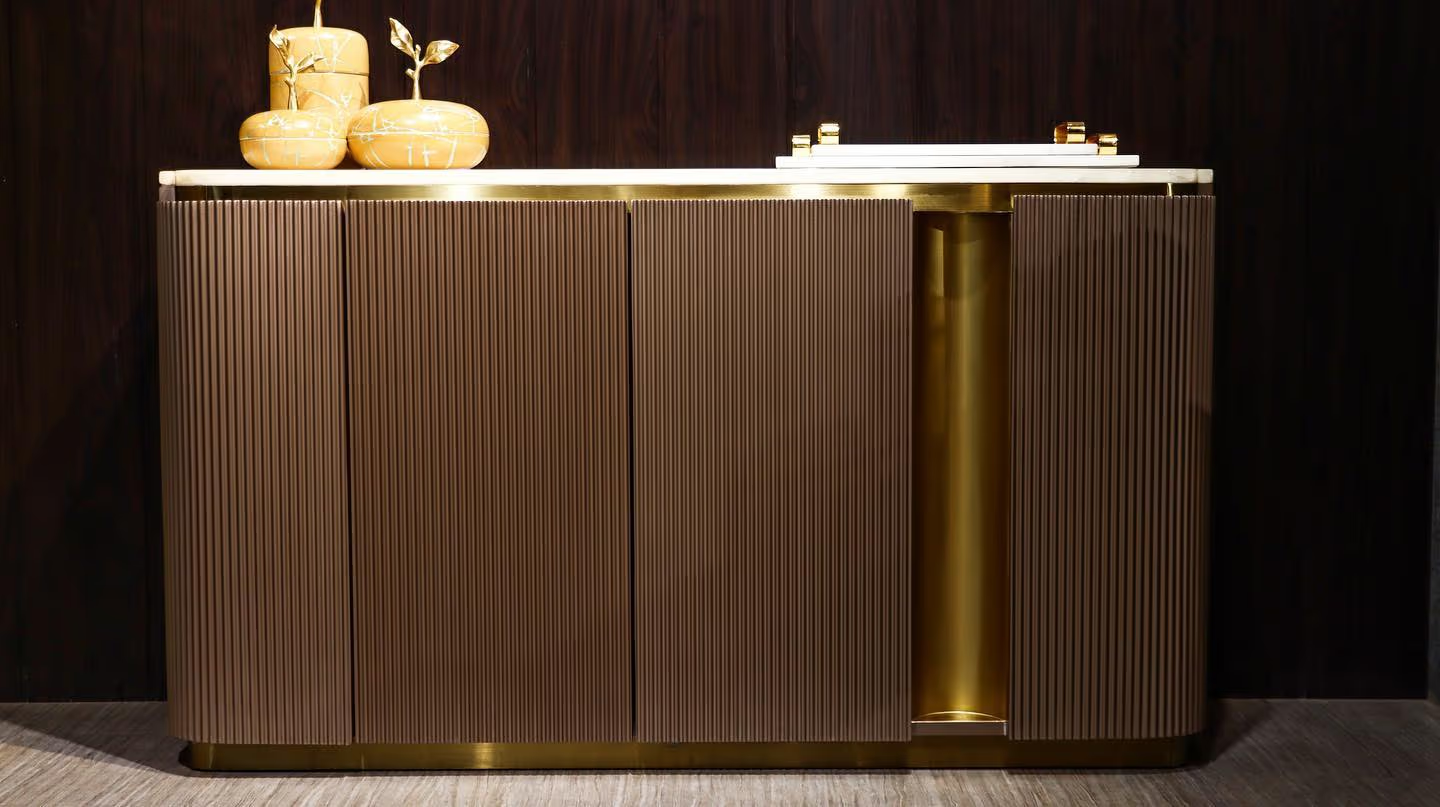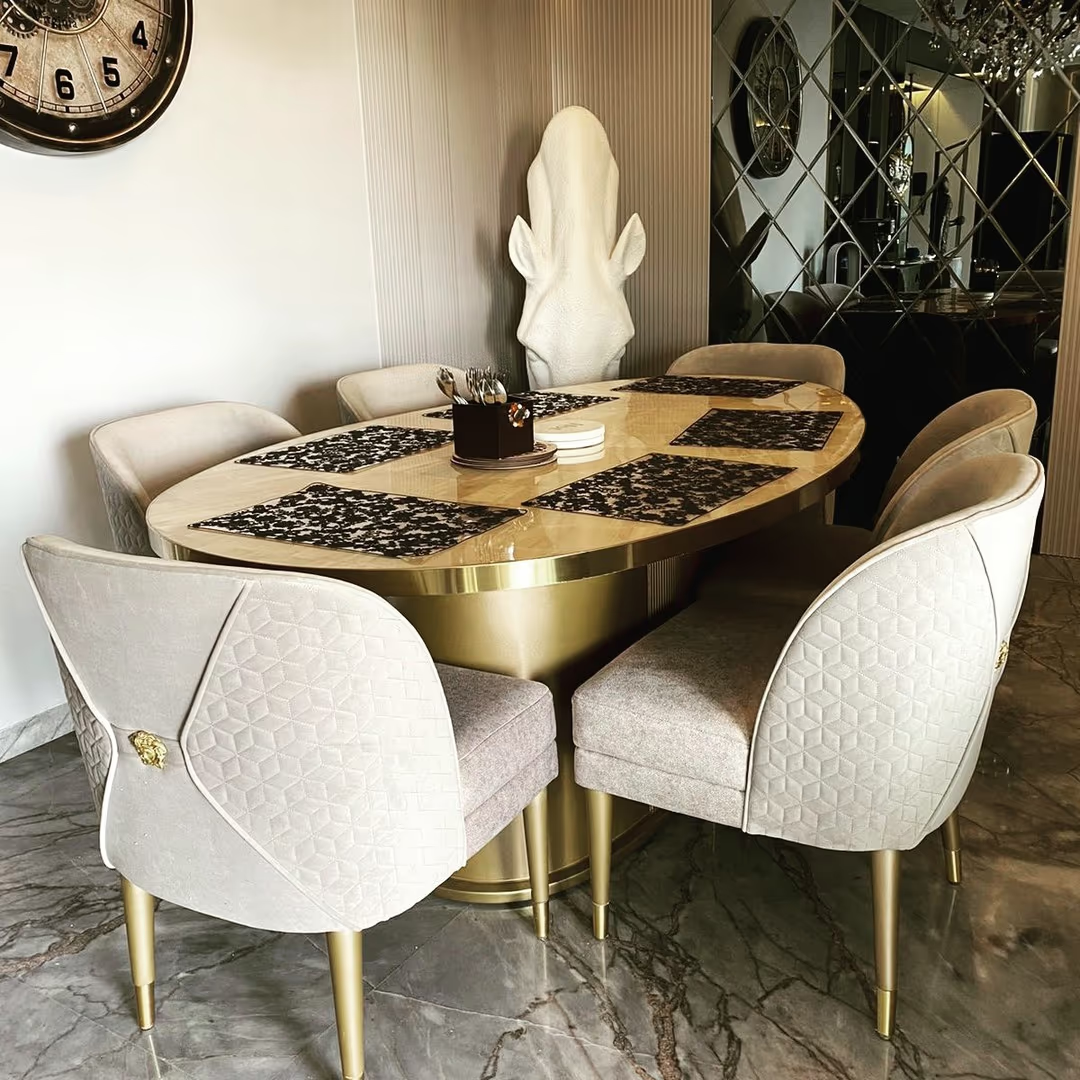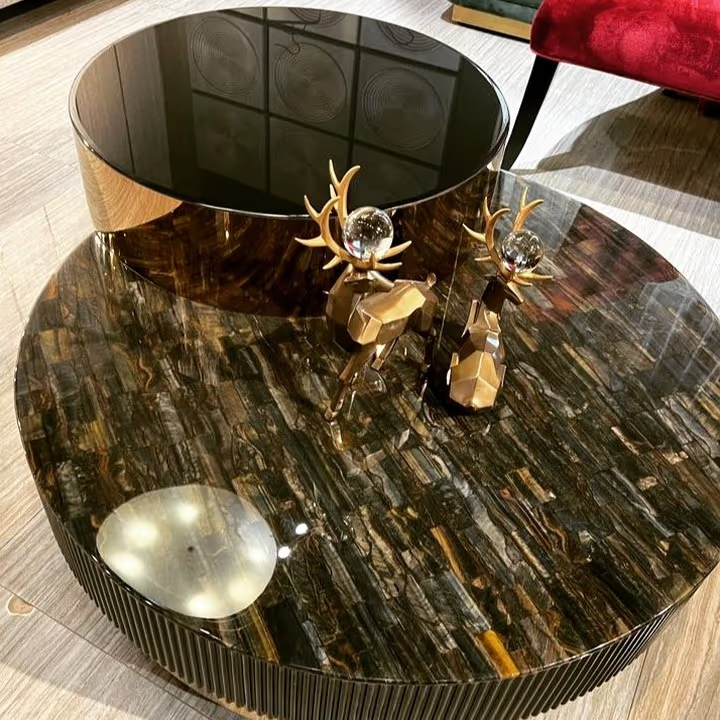

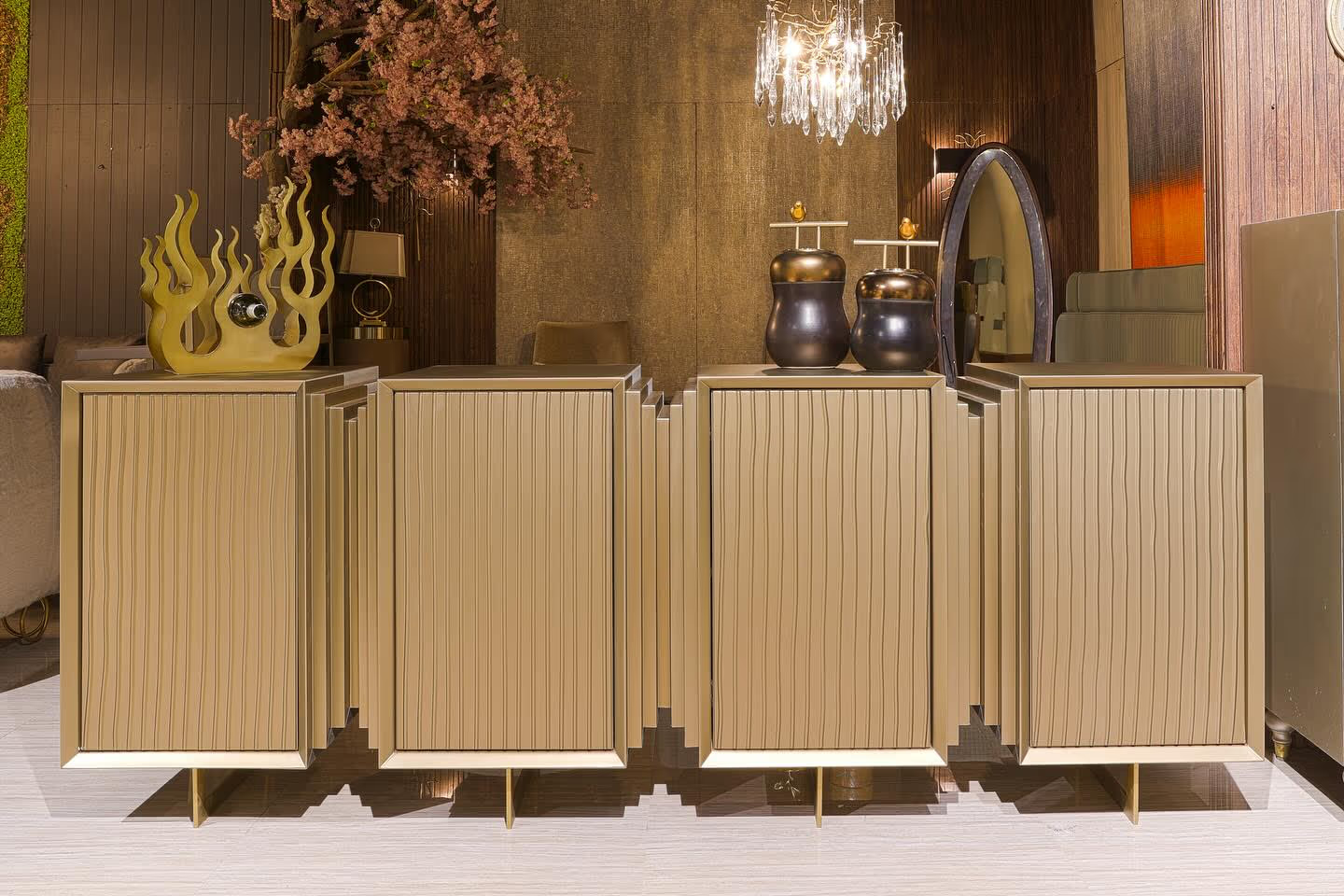
Why is custom furniture expensive? Because you pay for real materials, skilled hands, and a piece built to fit your exact room — not a mass part stamped out by the thousand. The price holds slow-grown wood, stone, joinery, and years of skill. It lasts for decades, so the cost per year is small.
When you see the price of a bespoke table next to a store-bought one, the gap can feel big. It is fair to ask where all that money goes. The short answer is simple. A store piece is made fast, in bulk, from cheap parts. A bespoke piece is made slow, one at a time, for you. This guide opens up the price and shows you every part of it, in plain words.
At Designatore, we make made-to-space furniture — pieces designed around your room, not squeezed to fit it. We think you should know exactly what you pay for. So let us walk through it, rupee by rupee, without any spin.
Why Is Custom Furniture Expensive? The Short Answer
Custom furniture costs more for three plain reasons. First, the materials are real and slow to grow or mine. Second, real people build each piece by hand, and skilled hands take years to train. Third, the piece is designed for your space alone, so nothing is repeated or shared. A store copies one design a thousand times. We make one design once.
Think of it like a suit. A cheap shirt off the rack fits nobody well. A tailored suit fits only you, and it lasts. Furniture works the same way. To learn more about the idea itself, read What Is Made-to-Space Furniture?.
Where the Money Actually Goes
Let us open the box. When you pay for a bespoke piece, your money splits across a few clear parts. No single part is a trick. Each one is real cost that a store simply skips to keep prices low.
- Materials — solid wood, marble, brass, real leather, fine velvet. These cost far more than the glued board and plastic used in cheap furniture.
- Skilled labour — the hours a trained maker spends cutting, joining, sanding, and finishing by hand.
- Design time — measuring your room, drawing the piece, and planning every joint before a single cut.
- Drying and setting — good wood must dry for months so it will not crack. Finishes must cure between coats.
- Making it right — checks, small fixes, and care so the piece is perfect, not just passable.
A store-bought piece cuts most of these to near zero. That is how it stays cheap. For a full breakdown of what shapes a quote, see What Drives the Price of Bespoke Furniture.
There is also a cost you never see on the shelf: waste. When we cut a fine board or a slab of stone, we cut around the flaws and keep only the best parts. Some of that material is set aside. A cheap factory uses every scrap, flaws and all, because the piece is not meant to last. Choosing the best and leaving the rest costs money — but it is why your piece stays true and does not crack down the line.
One more part sits quietly in the price: the promise to stand behind the work. A real maker will come back, fix a mark, or re-tighten a joint years later. A store cannot do this for a piece it made by the thousand. That long care is folded into a fair bespoke price, and it is worth a great deal the day you need it.
Real Materials Cost Real Money
The biggest reason custom furniture costs more is the stuff it is made from. Cheap furniture uses particle board or MDF — dust and glue pressed into sheets. It looks fine on day one. In a few years it swells, sags, and chips. It cannot be fixed, so it goes to the dump.
A bespoke piece uses solid wood that grew slowly for decades. That wood must be cut, dried, and graded before it is even touched. We also use stone like marble and agate, plus brass and fine cloth. These are heavy, rare, and priced by weight and quality. To understand the core choice, read Solid Wood vs Veneer.
| Part | Store-bought | Bespoke |
|---|---|---|
| Core material | Particle board, MDF, plastic | Solid wood, stone, metal |
| Cloth | Thin synthetic fabric | Real leather, fine velvet, bouclé |
| Joints | Staples, glue, cam bolts | Hand-cut, glued and pinned |
| Finish | Sprayed once, thin | Many hand-rubbed coats |
| Lifespan | 3 to 5 years | 20 to 30 years or more |
In India’s weather, the wrong material fails fast. Damp air swells cheap board and warps thin panels. We pick wood that suits your climate — see Best Wood for Furniture in India’s Climate. Better material is not a luxury add-on. It is the reason the piece survives.
Cheap furniture is priced to be thrown away. Bespoke is priced to be kept.
Why Handmade Furniture Cost More Than Machine-Made
A factory line makes the same chair over and over. A machine cuts, a robot glues, and a worker stacks. It is fast and cheap because nobody thinks — the line just runs. That speed is the whole point of a store price.
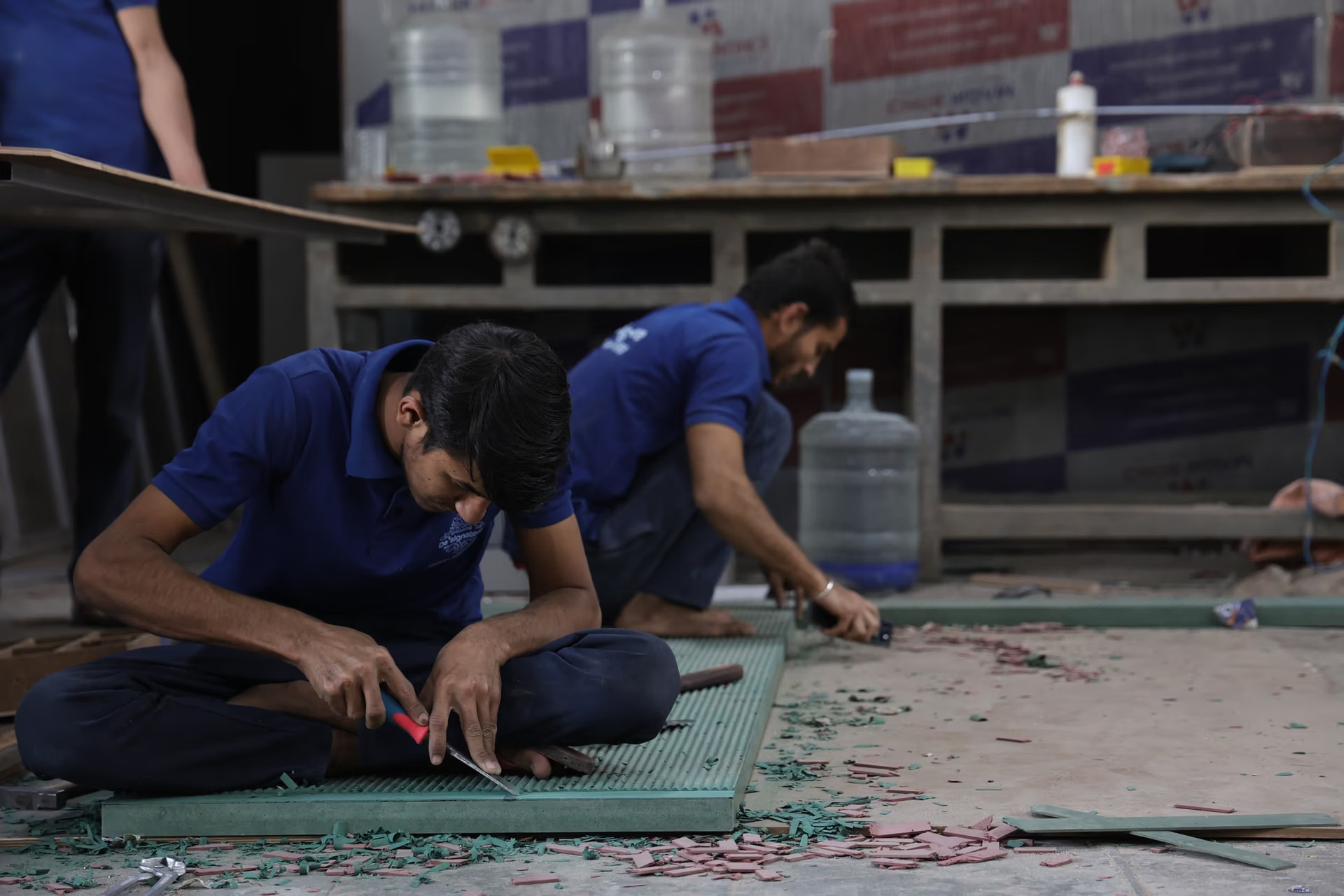
Handmade furniture is the opposite. A trained maker holds each part, reads the grain, and cuts a joint that will hold for a lifetime. This takes years to learn and hours to do. You are paying for that skill and that time. See how it happens in How Bespoke Furniture Is Made and take a look Inside Our Atelier.
There is another cost most buyers never see: the care taken to get it right. A hand-maker will sand a surface five times when three would pass. They will reject a board with a hidden flaw. That patience does not show up as a line on the bill, but it is why the piece feels different when you touch it.
Skill is also rare. A maker who can join wood by hand, set stone true, and finish brass without a mark has spent years learning the craft. There are not many of them, and their time is worth more than a line worker who repeats one small task all day. When you pay for bespoke, part of the price keeps this old skill alive so it does not die out. That is a real thing your money protects.
You Pay for a Piece Built Around Your Room
A store sells one size and hopes it fits your home. It rarely does. You end up with a gap by the wall, a sofa too deep for the room, or a table that blocks the walk to the kitchen. This is why standard furniture fails in luxury homes.
Made-to-space furniture is drawn for your walls, your light, and the way you live. We measure the room, note the odd corners, and design the piece to sit as if the house was built around it. This design work is real time by real people — and it is part of the price. Learn how we do it in How We Design Furniture Around Your Room. If your rooms are not simple boxes, see Made-to-Space Furniture for Odd-Shaped Rooms.
This fit is not a small extra. A piece made to your exact size uses the whole room well, hides no gaps, and leaves clean paths to walk. It can also match the rest of your home so the look flows from room to room — see How to Furnish a Whole Home in One Look. A store piece can never do this, because it was drawn for no one and sold to everyone. You pay a little more to have furniture that truly belongs where it stands.
Have a room that nothing seems to fit? Send us your space and we will design the piece around it.
Start with your space →The Real Cost Is Per Year, Not Per Piece
Here is the part most people miss. The sticker price is not the true cost. The true cost is what you pay each year you own it. A cheap sofa at ₹40,000 ($480) that dies in four years costs you ₹10,000 ($120) a year — and then you buy again.
A bespoke sofa may cost more up front, but if it lasts thirty years and can be re-covered, the cost per year drops far below the cheap one. You also skip the hassle and the waste of buying the same thing again and again. We break down real numbers in How Much Does Custom Furniture Cost? and Is Bespoke Furniture Worth the Money?.
- Add up the full price of the piece.
- Guess how many years it will truly last.
- Divide the price by the years. That is your cost per year.
- Now do the same for a cheap version — and count how many times you must re-buy it.
- Compare the two yearly numbers, not the two stickers.
Do this simple sum and bespoke often wins. A good piece can even hold value and pass to your children — read Luxury Furniture as a Long-Term Investment.
There is a quiet cost to cheap furniture too. Every few years you must shop again, wait for delivery, and drag the old piece to the dump. That is money, time, and waste each time. A bespoke piece ends this cycle. You choose once, you live with it, and you stop thinking about it. For many buyers, that calm is worth as much as the money saved.
What You Are Not Paying For
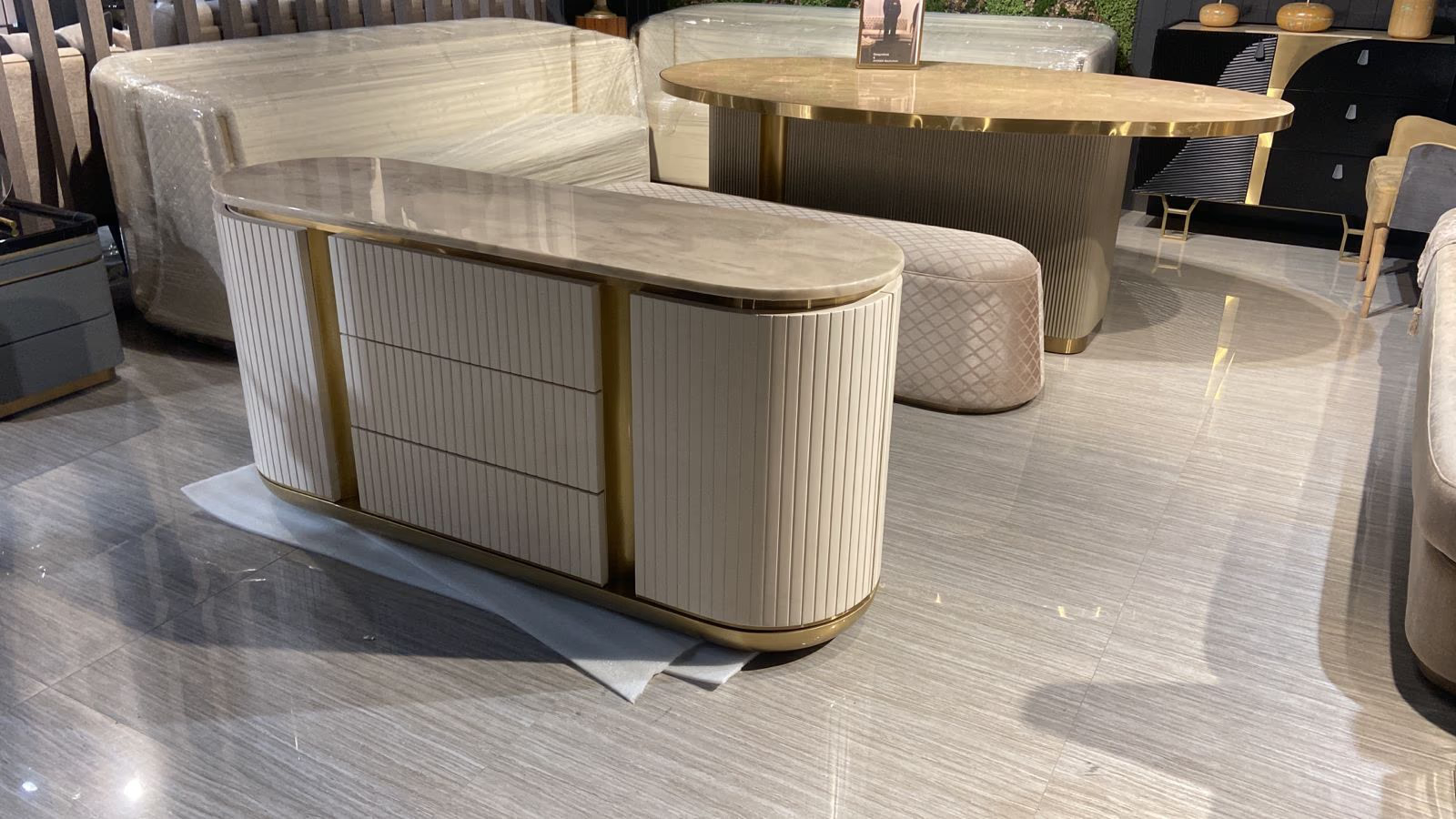
Some brands charge a high price for a logo and a shop on a fancy street. That is not us. With Designatore, you are not paying for a name stamped on plywood. You are paying for what is inside the piece — the wood, the joints, the hours, and the design.
We are a maker, not just a seller. Our furniture is made in India and shipped across India and worldwide, including to NRI homes abroad. We are trusted by discerning clients — the actor Amitabh Bachchan among them — but the price still sits in the craft, not the fame. Ask us to show you where every rupee goes, and we will.
How to Judge if a High Price Is Fair
Not every expensive piece is worth it. A high price should be backed by real reasons you can see and touch. Here is a simple checklist to hold any maker to.
- Ask what the core is made of. Solid wood and stone are worth it; hidden board is not.
- Ask to see the joints. Hand-cut joints beat staples and cam bolts.
- Ask how long it takes. Real bespoke needs weeks — see How Long Does Custom Furniture Take?
- Ask if it can be repaired or re-covered later. A good piece can.
- Ask who designed it for your room, and whether you can change the size and finish.
If the answers are clear and honest, the price is likely fair. If the maker cannot answer, walk away. Also avoid the common traps in Custom Furniture Mistakes to Avoid, and compare your options with Bespoke vs Ready-Made Furniture.
A fair price hides nothing. Ask, and a real maker will show you every part.
So, Is It Worth Paying More?
For most homes, yes. If you want furniture that fits your room, lasts for decades, and can be passed down, bespoke is the calm, sensible choice — not a splurge. You buy once and stop thinking about it. That peace is part of what your money buys.
The price of custom furniture is not a mystery and it is not a markup for show. It is the true cost of real materials, skilled hands, and a design made for you. When you see where the money goes, the number stops feeling high and starts feeling honest. When you are ready, send us your space and we will build something made to last.