
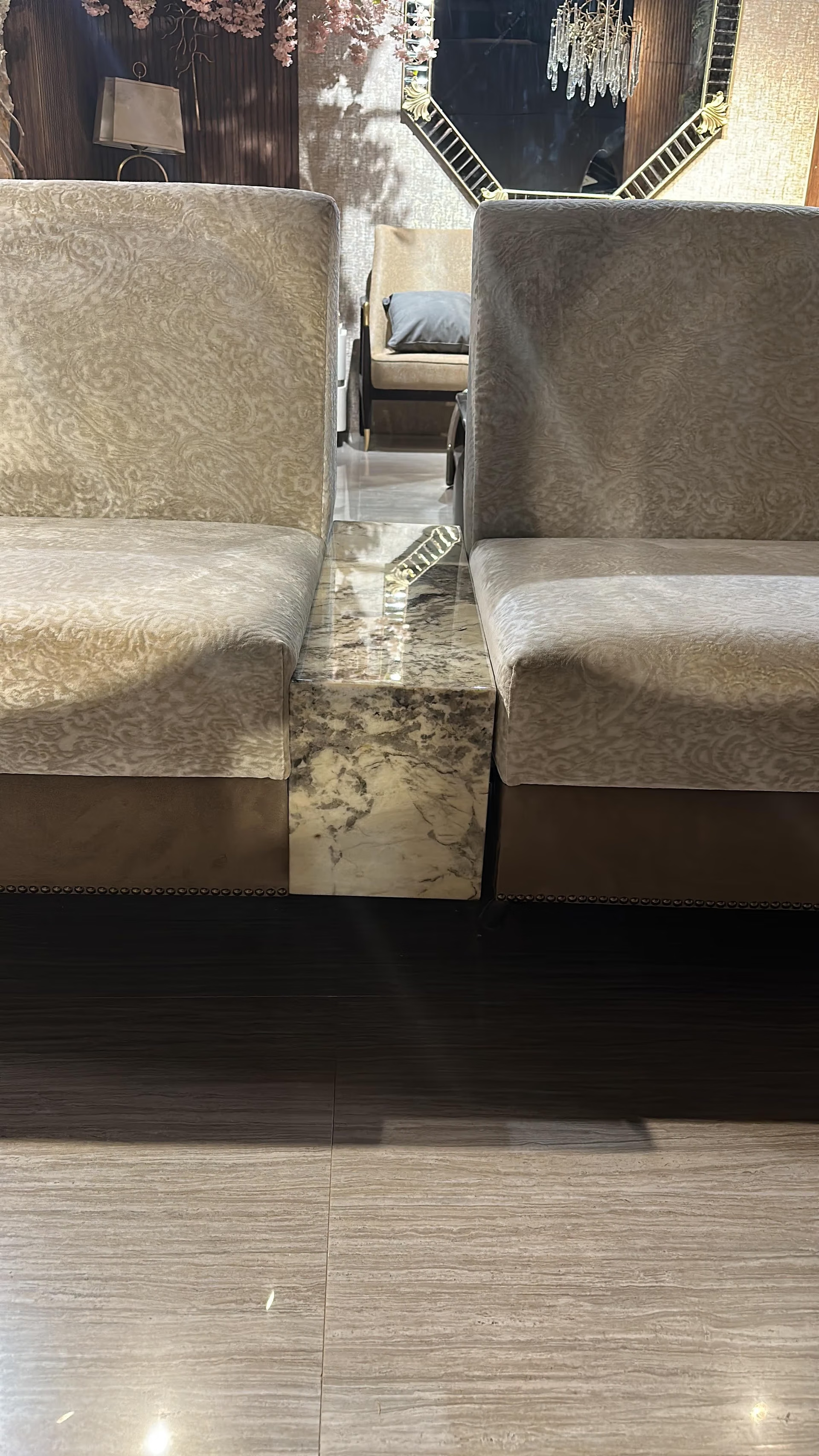
Marble furniture is a table, top or piece made from natural stone cut and polished into a smooth surface. The main marble types are Carrara, Calacatta, Statuario, plus bold green and brown stones. Prices start around ₹80,000 ($960) for a small marble table. With sealing and gentle care, good marble lasts for generations.
Marble has one rare gift: it makes a room feel calm and grand at the same time. A single marble top can hold a whole living room together, or turn a plain dining space into the heart of the home. It has done this in palaces for hundreds of years, and it is doing it again now — this time with bolder, braver veins.
But marble also comes with questions. Which type should you choose? Will it stain? How much does a real marble table cost? And is it truly right for a home where meals are eaten and children run about? This guide answers all of that in plain words — the marble types, the care, the cost, and how to pick a piece that lasts a lifetime.
What is marble furniture?
Marble furniture is furniture made with natural marble stone. Most often the marble is the top — a table top, a console top, a bar top — set on a base of metal, wood or stone. Sometimes the whole piece is marble. What matters is that the stone is real, cut from the earth, and not a printed look-alike.
Marble begins deep underground as limestone, then slowly changes under heat and pressure over millions of years. That slow change is what gives marble its veins — the flowing lines of colour that run through the stone. Because every slab is cut from a different part of the earth, every marble top is one of a kind. No two are ever the same, and yours cannot be copied.
This is why marble sits so well in made-to-space furniture. When a top is unique by nature, it deserves a base and a size built just for your room — not a standard shape pulled off a shelf. The stone is one of a kind, so the piece around it should be too.
The main marble types explained
When people say “marble”, they mean many different stones. Learning the main marble types makes choosing far easier, because the name tells you roughly what colour and vein to expect. Here are the ones you will meet most often.
| Marble type | Look | Best for |
|---|---|---|
| Carrara | White-grey with soft, feathery grey veins. | Calm, quiet rooms; a gentle, timeless top. |
| Calacatta | Whiter base with bold, dramatic dark veins. | A statement dining or coffee table. |
| Statuario | Bright white with fine grey lines; rare and prized. | The most luxurious, formal pieces. |
| Green marble | Deep green with white or gold veining. | Bold rooms; a rich, jewel-like look. |
| Brown and gold | Warm brown tones with flowing gold lines. | Warm homes; pairs well with brass and wood. |
| Black marble | Deep black with striking white veins. | Drama and contrast; bar tops and consoles. |
Carrara is the soft, safe classic — the grey-veined white marble most people picture. Calacatta and Statuario are whiter and rarer, with bolder veins, and they cost more because good slabs are harder to find. The coloured marbles — green, brown, black — are where a room gets its drama. There is no single best type. There is only the right one for your room and your taste.
If you love a stone with even more colour and pattern, marble is not your only path. Semi-precious stones like agate and petrified wood bring the same natural, one-of-a-kind beauty with far bolder colour — worth a look before you decide.
Why bold veining is the 2026 look
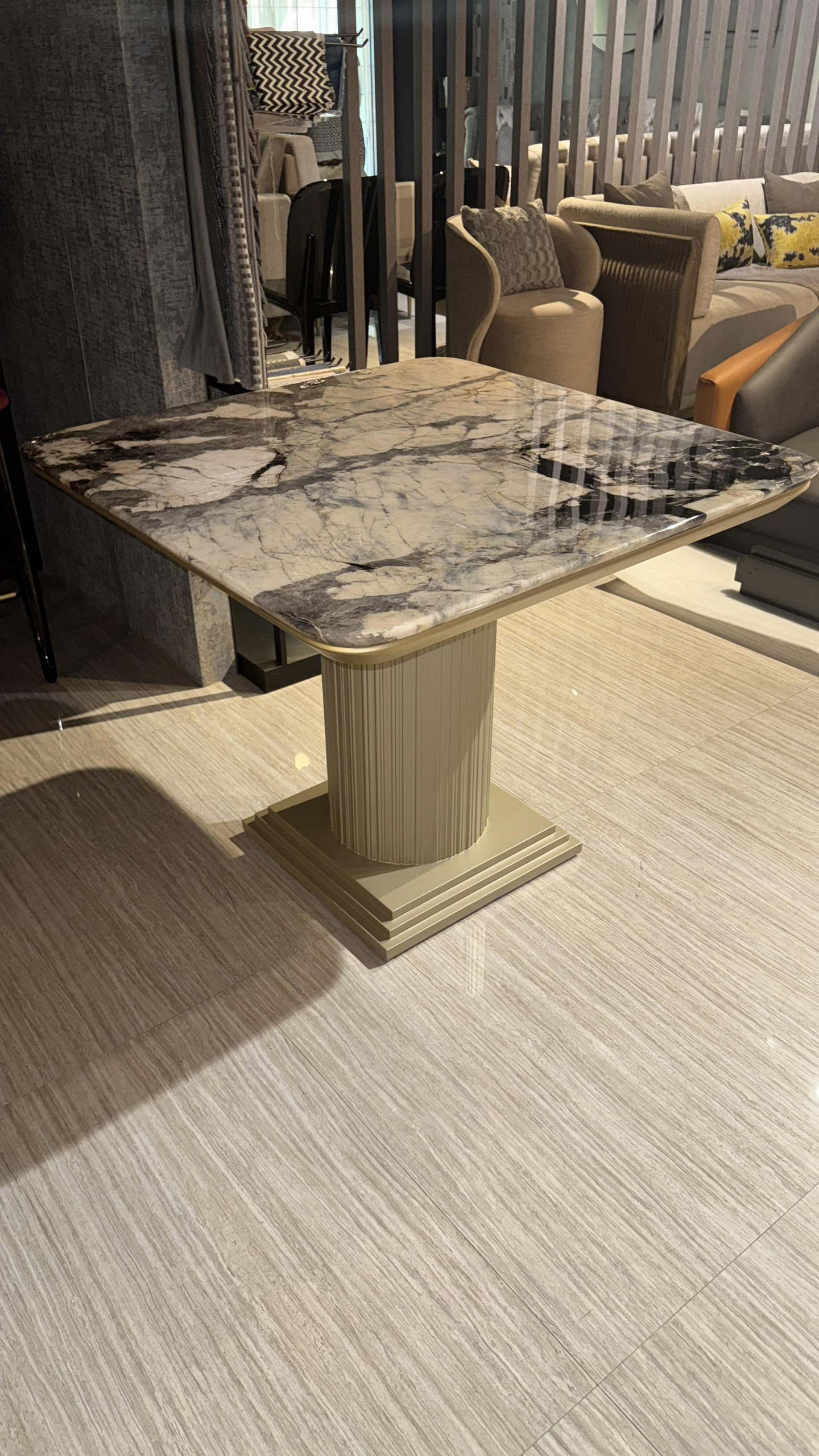
For years, the fashion was quiet marble — soft grey veins, barely there, blending into calm rooms. That is changing. The 2026 look is bold veining: big, brave, sweeping lines of dark grey, green or gold that run right across a table like a painting. The stone is no longer shy. It is the star of the room.
Why now? Homes are getting simpler and calmer — plain walls, soft colours, clean lines. In a quiet room, one strong marble top gives the eye somewhere to land. It becomes the single piece of natural art that makes the whole space feel alive. This is the heart of quiet luxury: a calm room, lifted by one honest, beautiful material.
In a calm room, one bold marble top becomes the single piece of natural art that lifts everything.
To make the most of bold veining, the cut matters as much as the stone. A skilled maker studies the slab first, then places the strongest vein where the eye will fall — running long down a dining table, or curling across a round coffee top. Two tables from the same stone can look completely different, all in how the slab is read and cut. That is craft, not luck.
Marble furniture cost in India (₹ and $)
Price is often the first real question, so let us be plain about it. Marble furniture cost depends on four things: the marble type, the size of the slab, the base it sits on, and the making. A rare Statuario dining table on a hand-made base costs many times more than a small Carrara side table. Here is a fair guide to what pieces run in India.
| Piece | Typical price (₹) | Typical price ($) |
|---|---|---|
| Marble side table | ₹80,000 – ₹2,00,000 | $960 – $2,400 |
| Marble coffee table | ₹1,50,000 – ₹4,00,000 | $1,800 – $4,800 |
| Marble console | ₹2,00,000 – ₹6,00,000 | $2,400 – $7,200 |
| Marble dining table (6–8 seats) | ₹3,50,000 – ₹12,00,000 | $4,200 – $14,400 |
| Rare stone or large statement piece | ₹12,00,000 and up | $14,400 and up |
Treat these as guides, not fixed rates. A common Carrara sits at the low end; a rare Calacatta or a coloured stone climbs quickly. The base changes the price too — a simple metal frame costs less than a carved stone or brass base. To see how bespoke pricing is built up in full, our made-to-space furniture price guide walks through every part of the number.
One point worth holding on to: marble is not a cost that fades. A good marble table does not wear out or go out of style. It is often passed down, not thrown away. Seen that way, it sits closer to a long-term investment than a simple buy — a piece your family keeps, not one you replace in ten years.
Have a marble piece in mind? Send us the size of your room and the look you love, and we will match a real slab to your space — with a clear price before anything is cut.
Send us your space →Is marble good for a dining table?
A marble dining table is one of the most-asked pieces, and one of the most-doubted. Is marble really right for a table where food is eaten, wine is poured and life happens every day? The honest answer is yes — with one thing to understand. Marble is porous, which means it can soak up liquid if it is left sitting. So it must be sealed, and spills must be wiped.
That is the whole of it. Sealed and wiped, a marble dining table handles daily family life beautifully. It stays cool and smooth, it does not scratch from plates and glasses, and it grows more loved with the years. The stones that ask for the most care are the pale ones, where a wine or beetroot stain shows most. If your table sees heavy, busy use, a coloured or veined marble hides small marks far better than a plain white one.
Size and shape matter as much as the stone. A marble top is heavy, so the base must be built to carry it, and the size must fit your room and your seats. Our custom dining table size and wood guide covers how to get the length, width and seating right — the same rules hold whether your top is marble or wood. For the room around it, see our luxury dining room ideas.
How to care for marble furniture
Marble care sounds harder than it is. There are really just a few simple habits, and once they become normal you stop thinking about them. Here is everything that matters, day to day.
- Wipe spills at once. Wine, lemon, coffee, oil and juice are the main risks. Blot them up quickly — do not let them sit and soak in.
- Use coasters and mats. A coaster under a glass and a mat under a hot dish stop most marks before they start. This one habit does the most work.
- Clean gently. Use only warm water and a mild soap on a soft cloth. Wipe dry after. That is all a marble top needs for its daily clean.
- Never use acid. No vinegar, no lemon, no harsh bathroom cleaners. Acid eats into marble and leaves a dull, rough mark called an etch. This is the number-one mistake to avoid.
- Reseal once or twice a year. A sealer soaks into the stone and helps it shrug off spills. It is a quick job, and it is the single best thing you can do for a marble top.
That is the whole routine. It is less work than a wooden floor and far less than a garden. In damp or coastal homes, sealing matters a little more, because moisture is always in the air — our guide on protecting furniture in humid weather covers this. For a deeper, step-by-step routine made just for stone, read how to care for marble furniture in full.
Marble vs other stone and material tops
Marble is not the only beautiful top, and it helps to know where it stands. Some homes want a stone that needs even less care; others want more colour, or a warmer feel. Here is how marble sits beside the choices people weigh against it.
- Marble vs granite. Granite is harder and less porous, so it stains less and needs less care — but marble has softer, finer veining and a calmer, more luxurious look. Marble is chosen for beauty; granite for pure toughness.
- Marble vs agate and petrified wood. Semi-precious stone tops bring far bolder colour and rare patterns, and each is a true one-off. They cost more and suit a braver room. Marble is the quieter, more classic choice.
- Marble vs solid wood. A wood top feels warm and soft; marble feels cool and grand. Many of the best pieces mix both — a warm wood base under a cool marble top.
There is no single winner here. The right top is the one that suits your room, your care habits and your taste. A calm, formal home may love marble. A bold, playful one may love agate. A warm, cosy one may love wood. The joy of made-to-order furniture is that you are not forced to pick from a shelf — you pick the material that is right for you.
How Designatore makes marble furniture
A marble top is only as good as the eye that reads the slab and the hands that build the base. In our own workshop, we do not order stone by the metre and cut it flat. We choose each slab for the piece, then build around its best vein — so the stone leads, and the furniture serves it.
- We choose the slab for your room. We match the marble type, colour and vein to your space and your taste before anything is cut.
- We read the veining. We study the slab and place the strongest vein where the eye will fall — long down a dining table, or curling across a round top.
- We build the base to carry it. Marble is heavy, so we build a base in metal, wood or stone that holds the top safely and suits the whole room.
- We seal and finish by hand. Every top is sealed and polished so it shrugs off spills and stays smooth for years.
- We make it in India, built to fit. One team, one standard, delivered across India and worldwide — sized for your exact space.
Because one team draws, cuts and signs every piece, there is one clear name behind the stone and the finish. It is the same care we bring to mixing stone, wood, metal and velvet in one piece. You can see finished work in the Designatore collection, and read how the house was built by founder Nidhi Patel.
The bottom line on marble furniture
Marble furniture is one of the few things you buy that grows more loved, not less, over the years. It is real, natural and one of a kind. It brings calm and grandeur to a room in the same breath. And with a little simple care — sealing, coasters, quick wiping — it lasts for generations, often passed down rather than replaced.
The choice is only about which marble is right for you: a soft classic Carrara, a bold Calacatta, or a rich coloured stone that makes the room. If you have a piece in mind, the first step is easy. Send us your space, tell us the look you love, and we will match a real slab to your room — and build the piece around it, to last a lifetime.