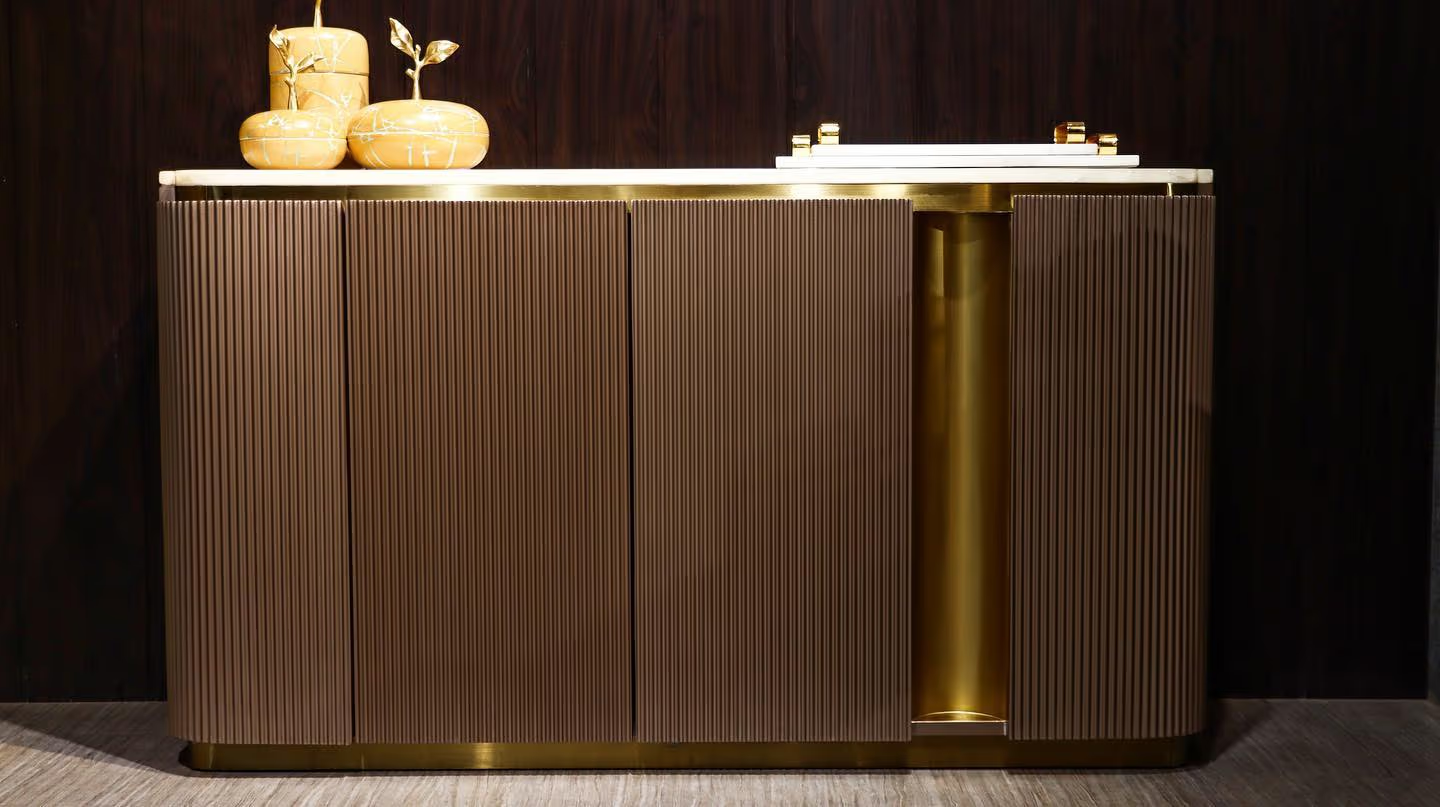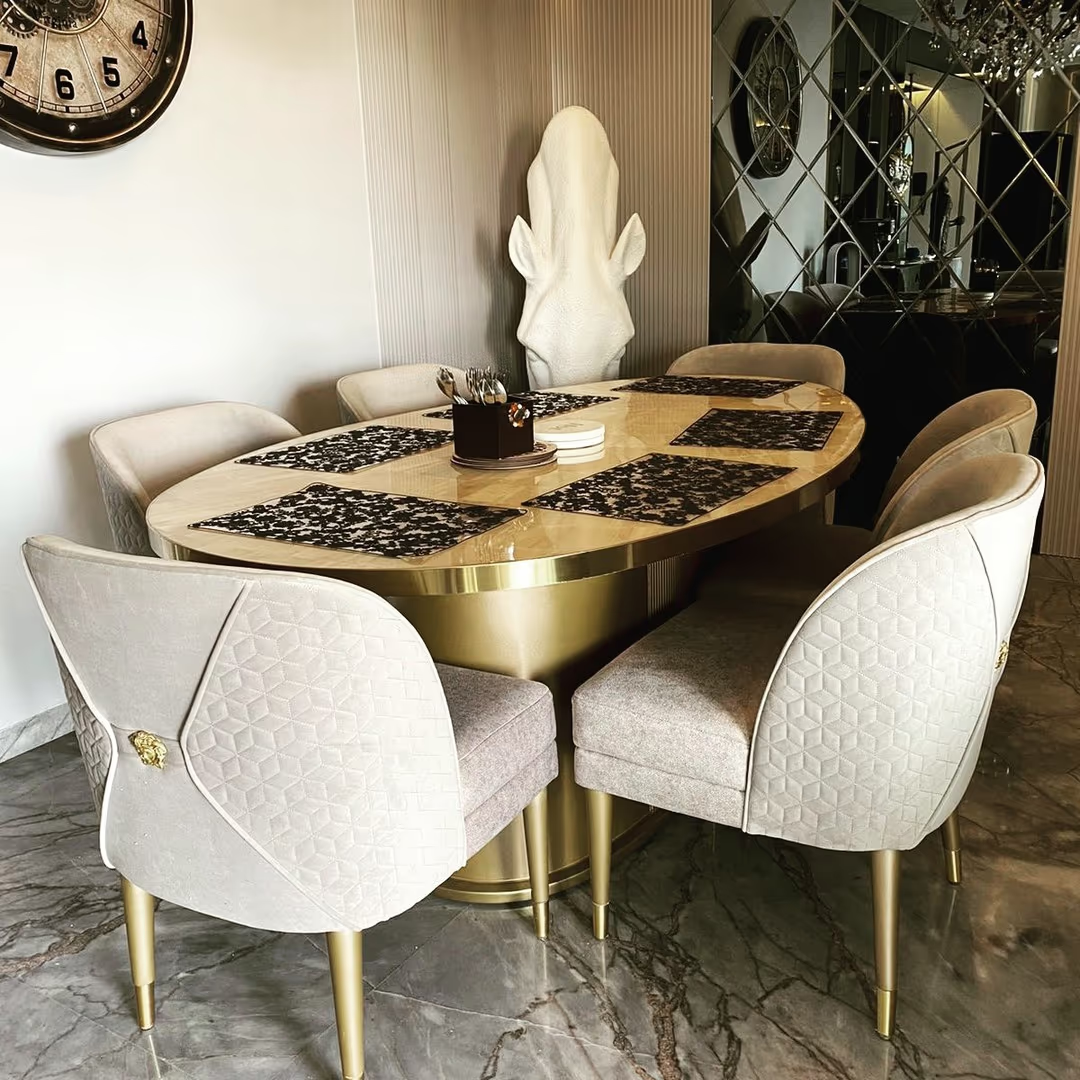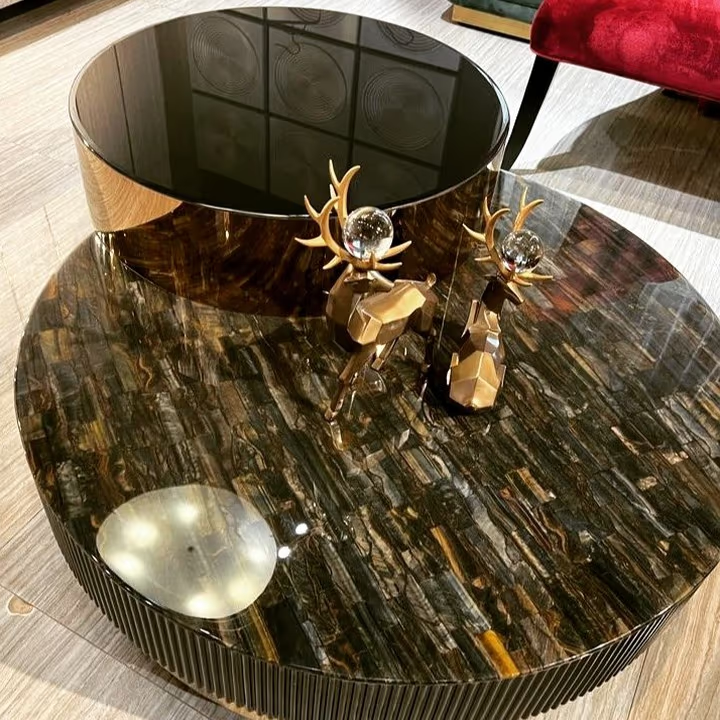

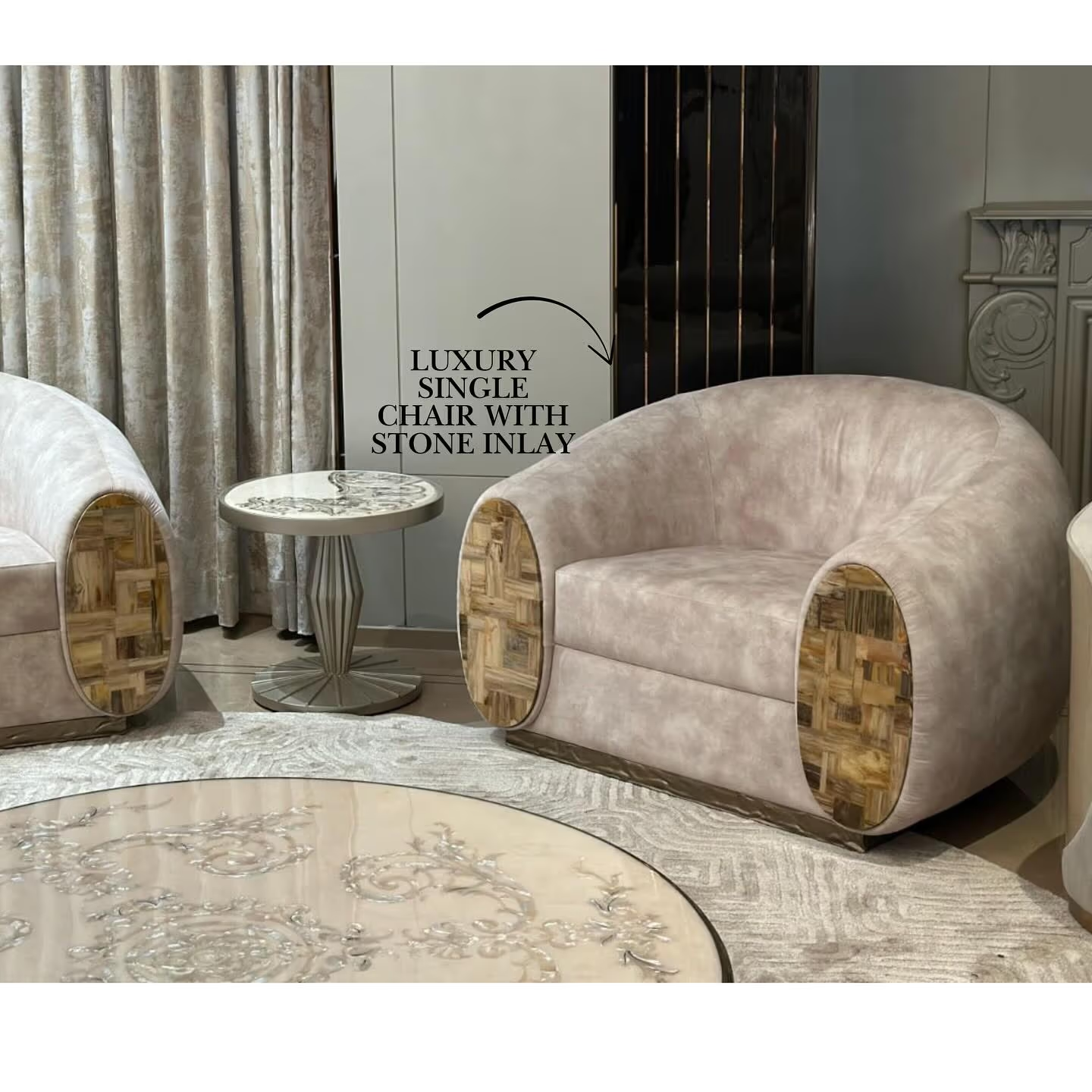
A luxury furniture investment means you buy once and keep the piece for decades, not years. Real wood, natural stone and hand joinery hold their worth, resell well and pass down as heirlooms. Cheap furniture is bought many times over a lifetime. One made-to-space piece is often the smaller cost across thirty years.
Most people think of furniture as a cost. You buy it, you use it, and one day you throw it out. But a few pieces work in a different way. They stay with you for decades. They can be repaired, not binned. Some even sell on for a strong price. That is when furniture stops being a cost and starts being an investment.
We make made-to-space furniture — pieces cut to fit your exact room, in India and worldwide. So we see both sides every week. We see clients who bought cheap and are now buying again. And we see families still using a piece we built years ago, now worth more than it cost. This guide shows you the difference, in plain words and real numbers.
Think of it the way you already think about a home, a fine watch or a piece of jewellery. You do not ask “what is the cheapest?” You ask “what will still be worth having in twenty years?” Furniture deserves the same question. The pieces you sit at, sleep in and gather around every day are worth choosing with the long view. This is thought for the buyer who plans to keep, not the buyer who plans to replace.
What makes luxury furniture a long-term investment?
Not all furniture holds its worth. A printed board sofa is worth almost nothing the day after you buy it. A solid wood table with a natural stone top can hold value for decades. The gap comes down to a few honest things. When all of them are true, a piece is built to last and built to keep its worth.
- Real material. Solid wood or true veneer over a strong core, natural stone, real metal and good cloth. These age well and can be brought back to life.
- Hand joinery. Joints cut and fitted by hand hold for generations. Staples and glue-only joints give way in a few years.
- Timeless shape. A calm, classic form never looks dated. A trend piece feels old long before it wears out.
- A named maker. A piece from a known atelier carries proof of who made it, which matters a lot for resale.
- The right fit. A piece made for your room and your taste is one you keep, not one you tire of and swap.
You can see this in the second-hand market. A real wood piece from a good house still sells years later. A flat-pack unit is given away or dumped. The difference was set the day each one was made. If you want the deeper reasons behind the price of good work, read What Drives the Price of Bespoke Furniture.
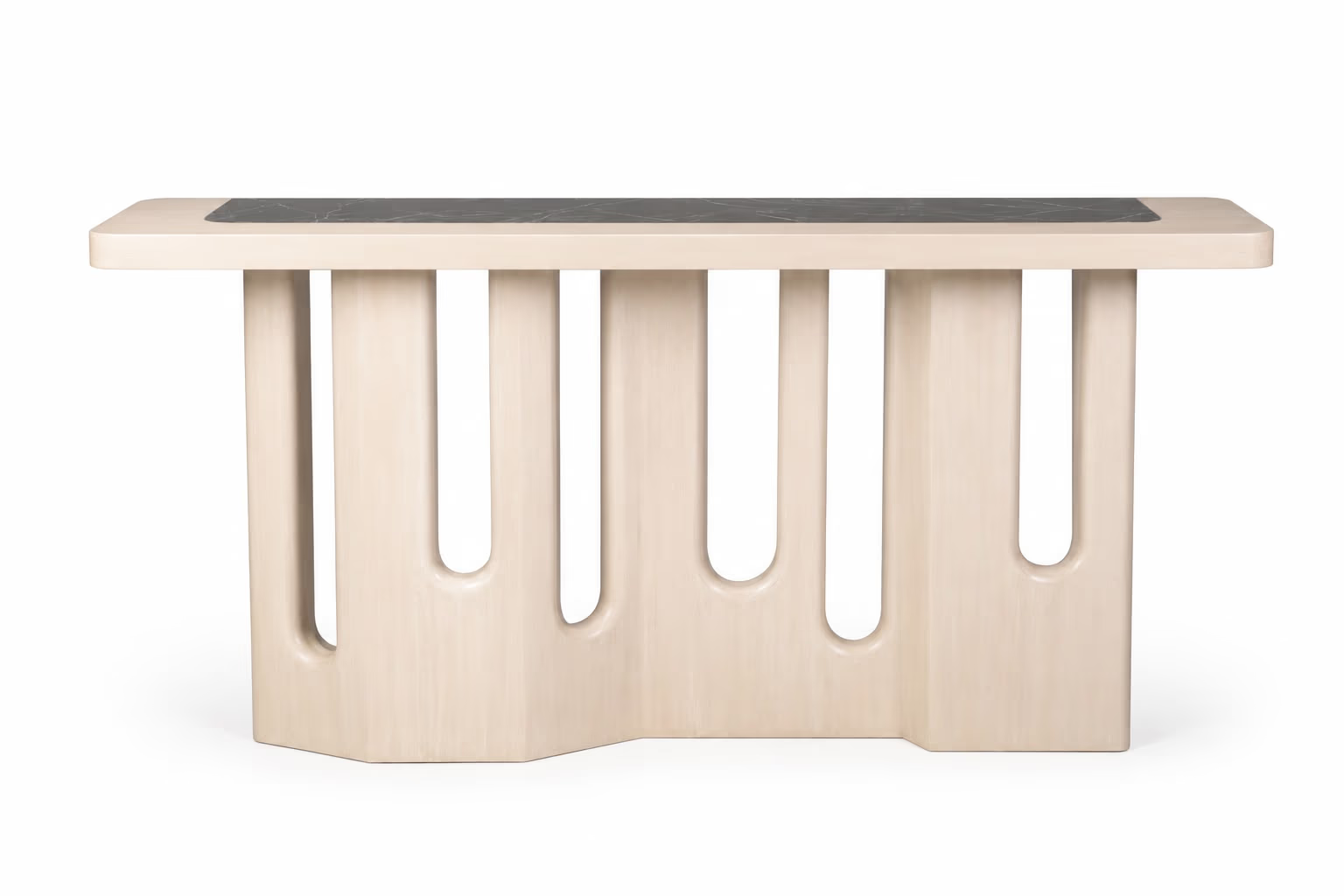
Buy once furniture: the true cost over 30 years
The word “cheap” hides a trap. A low price today can cost more over a lifetime. Here is why. Cheap furniture wears out. The sofa sags, the table chips, the wardrobe door drops. So you buy again. And again. Each time you pay to remove the old piece and bring in the new one. Those small bills add up to a large sum.
A buy-once piece works the other way. You pay more at the start. Then you pay nothing for a long time. A small repair here or a re-polish there, and it keeps going for decades. Let us put simple numbers on it so you can see the shape of it.
| Over 30 years | Cheap sofa, replaced | One made-to-space sofa |
|---|---|---|
| First cost | ₹60,000 ($720) | ₹4 lakh ($4,800) |
| Times bought | 6 times | 1 time |
| Total spend | ~₹3.6 lakh ($4,320) | ₹4 lakh ($4,800) + light care |
| Look after 30 years | Worn, dated, binned | Aged well, still loved |
| Resale value | Near zero | A real share of the first price |
The numbers are close in total, but the story is not. With the cheap route you spend nearly the same money and end with nothing. With the buy-once route you spend a little more and end with a piece that still looks right, still works, and can even be sold on. That is the quiet power of buy once furniture.
And the table above is kind to the cheap route. It leaves out the hidden costs. Each swap means a day off work, delivery fees, and the bother of picking a new piece and hoping it fits. It leaves out the small daily loss of living with something you do not love. When you add all of that, the buy-once piece pulls even further ahead. The real saving is not only money — it is the years you never spend shopping for the same thing again.
This is the same lesson we cover in Is Bespoke Furniture Worth the Money? and in How Much Does Custom Furniture Cost?. The upfront number looks bigger. The lifetime number often does not.
Cheap furniture is bought many times. A good piece is bought once and kept.
Furniture resale value: which pieces hold their worth
Resale value is the clearest test of a real investment. It answers one question: if you had to sell tomorrow, what would someone pay? For most furniture the answer is close to nothing. For the right pieces the answer can be a strong share of the first price — and, in rare cases, more than you paid.
What holds furniture resale value? A few clear things. The material must be real, so a buyer trusts it will last. The maker should be known, so the piece has proof. The shape must be timeless, so it still suits homes years later. And the piece must be well kept, with its papers. Here is how different pieces tend to hold up.
| Type of piece | Resale value over time | Why |
|---|---|---|
| Solid wood table, named maker | Strong, slow to fall | Real material, proof, timeless |
| Natural stone or agate top | Strong | Stone is rare and lasts forever |
| Good leather or velvet sofa | Fair, if well kept | Cloth wears, frame holds |
| Trend piece in a bold shape | Weak | Feels dated fast |
| Printed board flat-pack | Near zero | Thin, cannot be repaired |
Materials matter most, so it pays to know them. Our guides on marble furniture, burl wood and agate and petrified wood show why natural, rare materials keep their pull over the years. A slab of real stone does not go out of fashion. A printed skin does.
One more point on resale. Keep your papers. The invoice, the design drawings and any maker’s mark all help prove a piece is real and well made. A buyer pays more when there is no doubt. This is exactly how the fine art and watch markets work, and good furniture follows the same rule.
Mistakes that quietly destroy furniture value
Even a well-made piece can lose its worth through a few common errors. Most of them are easy to avoid once you know them. We see the same slips again and again, so here they are in plain terms. Dodge these, and your piece keeps far more of its value across the years.
- Chasing a trend. A bold, of-the-moment shape feels dated fast. A calm, classic form stays right for decades. We explain our stand on this in Why We Skip Trends That Won’t Last.
- Buying thin board to save now. Printed board cannot be repaired or refinished. It is the one material that never becomes an investment. Read Solid Wood vs Veneer before you decide.
- Getting the size wrong. A piece that does not fit the room is a piece you replace. Measure with care, or let a maker measure for you.
- Skipping care. Sun, damp and spills left too long can scar a fine finish. A little upkeep protects a lot of worth.
- Losing the paperwork. No proof of the maker or the material means a lower resale price, even for a real piece.
The thread through all five is patience. An investment piece rewards the buyer who slows down, measures twice and chooses real over cheap. Our guide to Custom Furniture Mistakes to Avoid walks through more of the small errors that cost real money down the line.
Heirloom furniture: pieces you pass down
The highest form of a furniture investment is not resale at all. It is the piece you never sell. The one your children fight over, in a good way. That is heirloom furniture — built so well that it moves down the family, gaining a story with each year instead of losing its worth.
An heirloom is not made by accident. It is made from solid wood and hand joinery that can take a hundred years. It carries a shape that never looks old. And it ages in a way that adds beauty. A soft shine on the arms of a chair, a warm tone that deepens in the wood — these are not faults. They are the marks of a life well lived around the piece.
Cheap furniture can never do this. It is not built to be repaired. When it breaks, it is thrown out. There is no such thing as a flat-pack heirloom. If you want a piece your grandchildren will use, it has to be real from the first day. You can read how we build for this life in How Bespoke Furniture Is Made and Inside Our Atelier.
A dining table is often the first heirloom a family makes. It holds the meals, the birthdays and the quiet evenings for a lifetime. That is why we treat it with such care, and why so many clients start their investment here. If a table is on your mind, our Custom Dining Table Size and Wood Guide and the cost of a custom dining table are good next reads.
Why made-to-space furniture protects your money
There is one more reason our work holds value: it is made for your exact room. A standard piece is a guess. It might be too big for the wall, too tall for the window, too deep for the walk-way. So you live with a piece that never quite fits — and a piece you dislike is a piece you replace. That is money lost.
Made-to-space furniture removes that risk. Because the piece is cut to your room, it fits like it grew there. You do not tire of it, because it was right from the start. A piece you keep is a piece that earns its price. We explain the whole idea in What Is Made-to-Space Furniture? and show why the standard route fails in Why Standard Furniture Fails in Luxury Homes.
It also lets us build in the quality that holds value from the very first cut. When founder Nidhi Patel and the team design a piece for you, we choose the wood, the stone and the joinery to last, not just to look good in a photo. That is the whole point of a real atelier. You can meet the person behind the work in Meet Nidhi Patel and see how we choose material for each client in How We Choose Materials.
There is proof beyond our own words. Amitabh Bachchan is among the clients we have built for. A name like that does not stay with a maker unless the work lasts. The best measure of an investment piece is simple: years later, is it still in the home, still loved, still doing its job? For our work, the honest answer is yes.
Send us your space and we will design a piece built to keep its worth for decades.
Start your investment piece →How to care for luxury furniture so it holds value
An investment piece needs a little care, the same way a fine car or a good watch does. The good news is that care is simple, and a small habit each week keeps a piece worth owning for a lifetime. Here is the plain routine we give every client.
- Keep it out of harsh sun. Strong direct light fades wood and cloth. Use blinds or place the piece away from a bright window.
- Wipe spills fast. A soft dry cloth and a quick hand save most stains, on both wood and stone.
- Use coasters and felt pads. They stop rings, scratches and dents before they start.
- Watch the damp. In humid weather, keep the room aired. Too much moisture is the main enemy of wood.
- Refresh every few years. Have wood re-oiled and stone re-sealed. This small step keeps a piece looking new.
- Keep your papers. Store the invoice and any maker’s mark. They prove the piece is real and lift resale value.
We have full, piece-by-piece care guides too. See How to Care for Marble Furniture, How to Care for Velvet and Leather Furniture, and, for wet regions, Protecting Luxury Furniture in Humid Weather. A cared-for piece keeps far more of its worth than a neglected one.
So, is luxury furniture a good investment? Yes — when it is real, well made and made for your room. The upfront price is bigger, but you buy once, you keep it for decades, and it holds a worth that cheap furniture never can. Ready to build a piece that lasts? Start at customization, or browse our collections to see made-to-space work in finished homes.