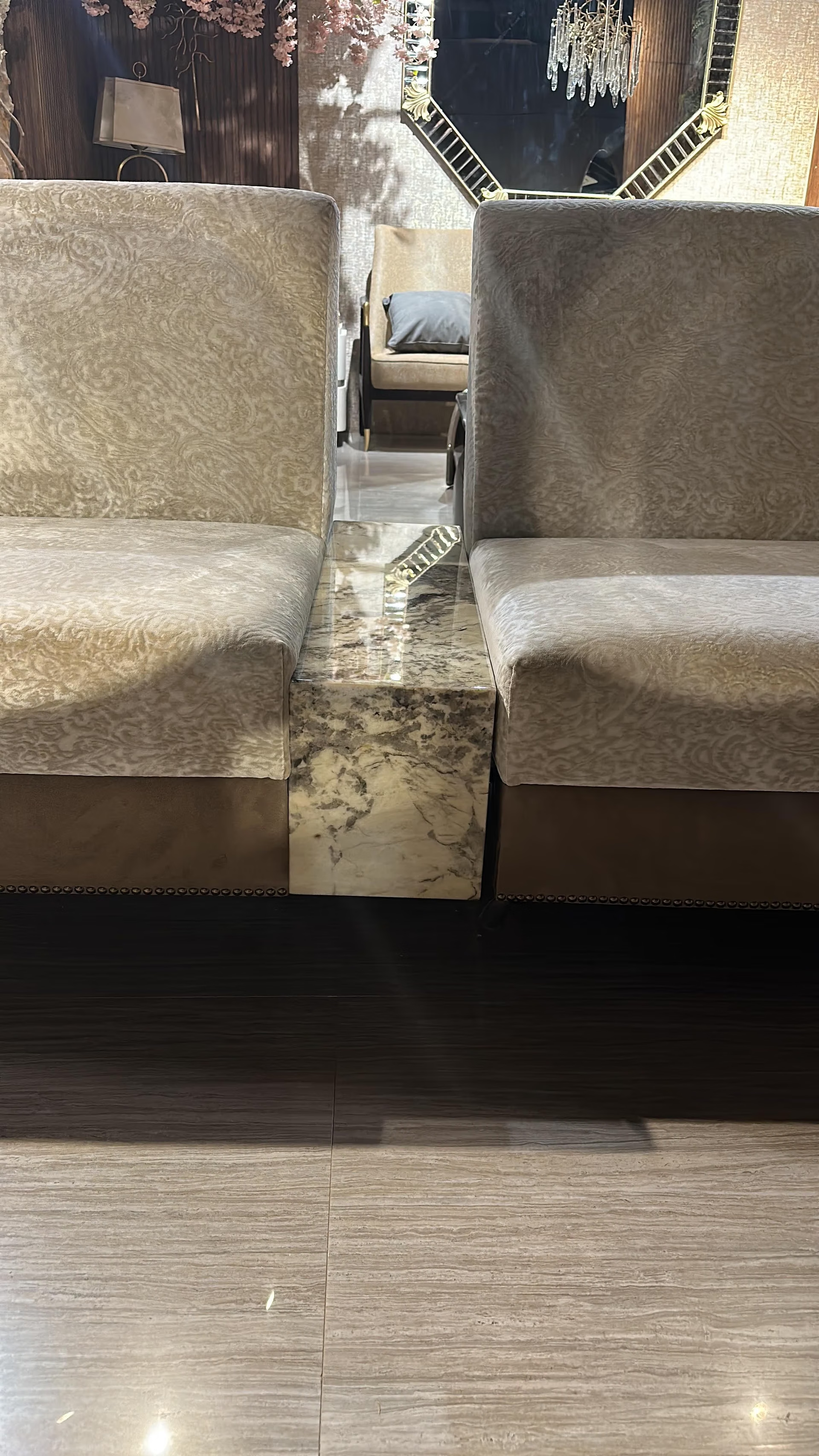

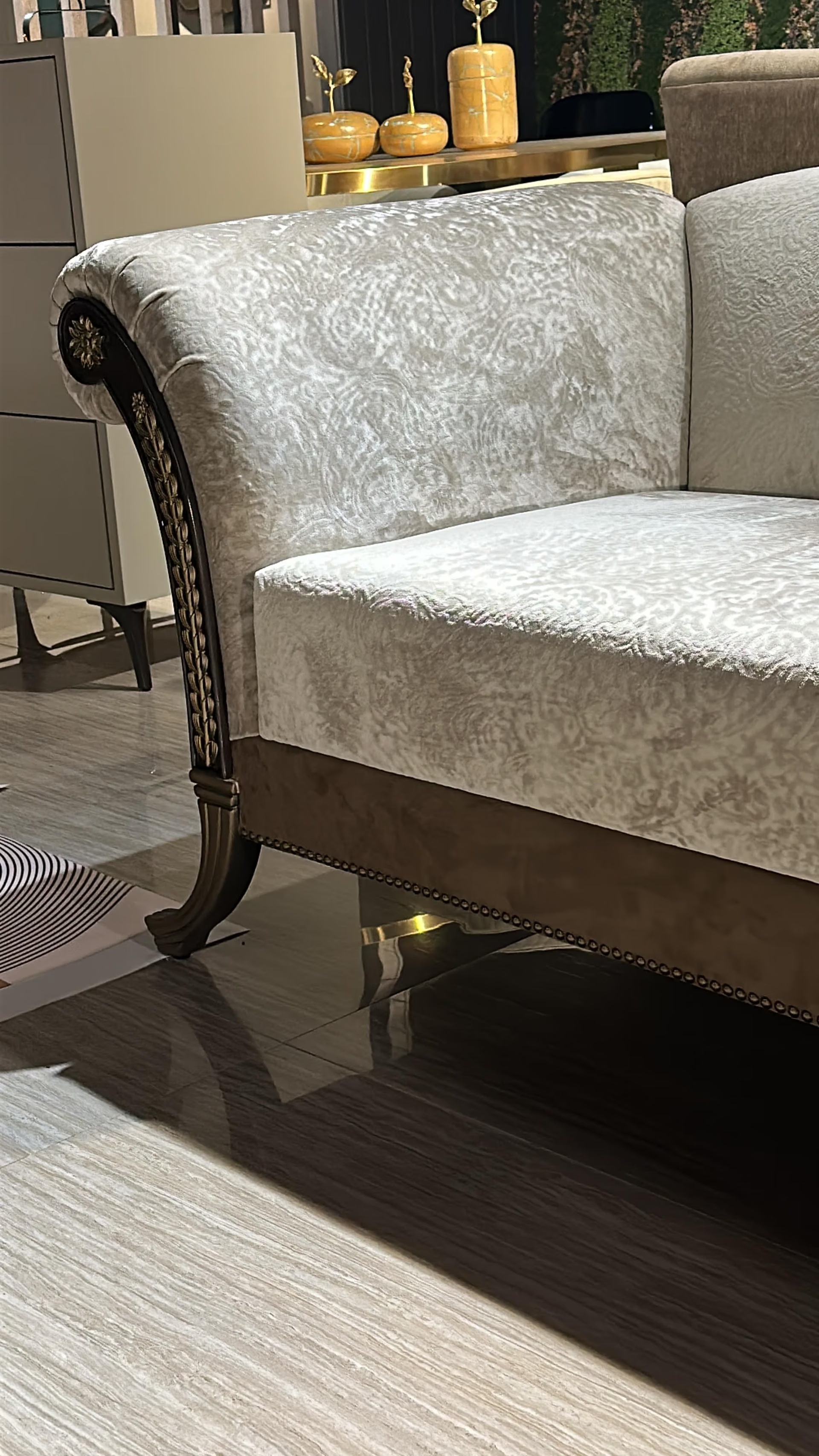
Velvet furniture care is simple: vacuum weekly with a soft brush, blot spills fast with a clean dry cloth, and brush the pile back so it stays plush. Leather needs a gentle wipe and a soft cream a few times a year. Keep both out of harsh sun and heat, and they stay beautiful for decades.
Good velvet and good leather are meant to last. A well-made sofa is not a thing you replace every few years. It is a piece you keep, and it should look better with time, not worse. The secret is not hard work. It is small, easy habits done often. This guide shows you exactly what to do, in plain steps, so your velvet stays plush and your leather stays soft for years.
You do not need special training or costly kits. You need a soft brush, a few clean cloths, a vacuum, and five minutes a week. That is it. Whether you look after your home yourself or you have help who does, these are the same simple rules every luxury piece deserves.
Why velvet furniture care matters
Velvet is not one thing. The soft, deep pile you love is made of tiny threads that all stand up and catch the light. That is why velvet looks rich and changes shade as you move around it. But those same threads can get crushed, dusty, or marked if you ignore them. Care keeps the pile standing tall, so the fabric keeps that soft glow.
Dust is the quiet enemy. It settles deep into the pile and, over months, dulls the colour and wears the fibres down. This is why a weekly vacuum matters more than any deep clean. Little and often always beats a big clean once a year. If you want to understand the fabric itself before you care for it, our guide on velvet vs bouclé vs leather breaks down how each one behaves in a real home.
How to clean a velvet sofa, step by step
Here is the routine to clean a velvet sofa the safe way. Follow it in order. It takes only a few minutes and works for most velvets used in good furniture.
- Vacuum first. Use the soft brush head, set to low power. Move it slowly over the whole piece to lift dust, crumbs, and hair from deep in the pile.
- Brush the pile. Use a soft cloth or a soft-bristle brush and sweep the whole surface one way. This lines up the fibres so the colour looks even.
- Spot-test any cleaner. Pick a hidden spot, like the back of a cushion. Try your damp cloth or soap there first and let it dry before you touch the front.
- Blot, do not rub. For a light mark, press a barely damp cloth on it. Add one drop of gentle soap if needed. Press and lift. Never scrub in circles.
- Dry it gently. Blot the damp area with a dry cloth. Let it air-dry away from heat. A hairdryer on cool, held far back, can help lift the pile.
- Finish with a brush. Once dry, sweep the pile one more time so the spot blends in with the rest of the fabric.
That is the whole method. The two rules to remember forever: blot, never rub, and always test first. Rubbing crushes the pile and can leave a shiny, flat patch that is hard to fix. A quick test saves you from a big mistake.
How to remove common stains from velvet
Spills happen. Wine at dinner, tea in the morning, a child with chocolate hands. The good news is that most marks come out if you act fast. Speed matters far more than any product. A fresh spill is easy. A dry, old stain is hard.
- Water or tea: blot at once with a dry cloth. If a ring shows when it dries, lightly steam the area and brush the pile back.
- Wine or juice: blot up as much as you can, then press with a barely damp cloth. Do not pour water on it. Work from the edge inward.
- Grease or food: let it dry, then vacuum. A little dry cornflour left on the spot for an hour can pull oil out before you brush it away.
- Ink or make-up: this is the risky one. Blot gently and stop. Call a professional cleaner rather than spreading it wider.
With velvet, speed beats scrubbing every single time.
Leather care basics for a soft, lasting finish
Leather is skin, so think of leather care the way you think of your own skin. It needs to stay clean, and it needs a little moisture so it never dries out. Good leather is bought once and kept for a lifetime, and simple care is what makes that possible. Neglect is the only thing that ages it fast.
Your weekly job is easy: wipe the dust off with a soft, dry cloth. That is most of the work done. Every couple of weeks, go a little deeper with a cloth that is just barely damp, then dry it off. Do not let water pool in the seams. A few times a year, feed the leather with a soft cream made for it.
- Dust it. Wipe the whole piece with a dry, soft cloth to clear surface dust.
- Clean it. Wipe again with a barely damp cloth. Use a leather-safe cleaner only if it is truly needed, and test a hidden spot first.
- Dry it. Pat the leather dry with a fresh cloth so no moisture sits in the folds.
- Condition it. Two to four times a year, rub in a little leather cream and let it soak in. This keeps the hide soft so it never cracks.
If your sofa is a deep-buttoned style, the tufts and seams need a gentle touch and a slightly softer routine. Our guide to tufted leather furniture covers those details. For a fuller plan built only around hides, see how to protect leather furniture for the long term.
Velvet vs leather care at a glance
Both are easy to live with, but they ask for slightly different habits. This quick table shows the difference side by side so you know what each one needs.
| Task | Velvet | Leather |
|---|---|---|
| Weekly | Vacuum with soft brush head, then brush the pile one way | Wipe off dust with a dry, soft cloth |
| Spills | Blot fast with a dry cloth — never rub | Wipe off quickly before it sinks in |
| Deep care | Light steam and brush to lift the pile | Condition with soft cream 2–4 times a year |
| Biggest risk | Crushed, flat pile from rubbing | Cracks from dry heat and sun |
| Best for | Calm, dressed-up rooms | Busy family rooms and daily use |
Your simple upholstery care routine
Care is easiest when it is a habit, not a chore. Here is the whole plan on one page. Keep it simple and your furniture will thank you for years. This routine works as basic upholstery care for almost any fine fabric or hide in the home.
Every week
- Vacuum velvet gently with the soft brush head, then sweep the pile one way.
- Wipe leather with a dry, soft cloth to clear dust.
- Deal with any spill the moment it happens, not later.
Every month
- Check hidden spots and seams for dust build-up.
- Turn and fluff loose cushions so they wear evenly.
- Give leather a wipe with a barely damp cloth, then dry it.
A few times a year
- Feed leather with a soft, leather-safe cream.
- Lightly steam and brush velvet to lift the whole pile.
- Move the piece so a new part faces the window and sun wear stays even.
Mistakes that ruin velvet and leather
Most damage does not come from daily life. It comes from a few common mistakes, often made with good intentions. Avoid these and you have won most of the battle.
- Scrubbing a stain hard. This flattens velvet pile and can strip colour from leather. Always press and lift instead.
- Using strong household cleaners. Bleach and rough sprays are far too harsh. They can leave marks that never come out.
- Soaking the fabric. Too much water leaves rings on velvet and can stain leather. Damp, not wet, is the rule.
- Parking it in the sun. Direct sun fades both over time. A sheer curtain or a small shift in the layout protects the colour.
- Sitting it by heat. A heating vent, a lamp, or a fireplace dries leather until it cracks. Keep a gap.
- Waiting to clean a spill. A fresh mark lifts easily. A dry, old one may need a professional.
These same careful habits protect every fine material in your home. The idea is the same whether you are looking after fabric, stone, or wood. If your rooms mix materials, our notes on how to care for marble furniture and how to care for burl wood and veneer round out the full picture.
Every Designatore piece is made to fit your room and your life. Tell us your space and how you use it, and we will guide you to the right fabric and finish.
Send us your space →Caring for velvet and leather in India’s climate
Weather across India and worldwide is not gentle on fine furniture. Long hot months, then heavy damp during the rains, ask a little more of you. But the fixes are simple, and they cost nothing. The main thing is to keep air moving and keep moisture away from the fabric and the hide.
In damp months, mould is the risk. It loves still, wet air. So run a fan or light air-conditioning, and pull heavy pieces a few inches off outside walls so air can pass behind them. Wipe leather now and then to stop any film forming. Vacuum velvet a bit more often so damp dust does not settle in. In dry, hot months, the risk flips: leather can dry out, so condition it a touch more often. Our full guide on protecting luxury furniture in humid weather goes deeper if your home sits near the coast.
The wood and frame under the fabric matter too. A piece built with well-chosen, well-dried materials handles the seasons far better. This is one reason we are careful about the best wood for furniture in India’s climate — the care is easier when the making was right.
When to call a professional
Most care you can do yourself. But some jobs are worth handing over. If a stain will not lift, if the piece is silk velvet, or if the leather has a mark you cannot shift, stop and call a specialist. It is cheaper to get help early than to fix a spreading problem later. Trying too hard on a delicate fabric is how a small mark becomes a big one.
Good cleaning is not costly next to what a fine sofa is worth. A professional clean might run a few thousand rupees (₹3,000–₹8,000 / $35–$95) once a year, which is little for a piece meant to last decades. Think of it the way you think of any real luxury furniture as a long-term investment: a small yearly spend keeps the full value safe.
Made to fit your life, easy to keep
The easiest furniture to care for is furniture made well in the first place. When a piece is built around your room, your light, and how your family really lives, the right fabric ends up in the right place. Velvet where you want soft and calm. Leather where life is busy. That match is the heart of made-to-space furniture, and it makes daily care almost effortless.
This is how we work at Designatore. Founder Nidhi Patel and the team start from your space, not from a catalogue. We help you choose materials that suit your home and your habits, so your furniture is a joy to own, not a job to manage. When you are ready, send us your space or browse the full collections to see what made-to-space can look like in your home.
Care for velvet and leather is not hard. Vacuum, blot, wipe, and feed. Keep them out of sun and heat. Do the small things often, and your finest pieces will stay plush, soft, and beautiful for years — the way real luxury is meant to last.