
To protect leather furniture, follow four habits: dust weekly, wipe spills fast, keep it out of hot sun, and condition it two to four times a year. Leather is skin. It dries, then it cracks. So feed it, shield it from heat, and clean it gently. Do that, and your leather stays soft for decades.
A leather sofa or chair is one of the warmest choices in a luxury home. It softens with age, it wears in like a good bag or a fine pair of shoes, and it only looks better with the years. But leather is skin. Like your own skin, it needs oil and gentle care, or it dries out and cracks. The good news is that looking after it is easy once you know the rules. This guide walks you through leather furniture care in plain steps, so your piece stays soft and beautiful for a very long time.
If you are still choosing your upholstery, our guide to velvet vs bouclé vs leather helps you pick. Here, we focus on one thing only: keeping the leather you already own soft, clean and crack-free.
Why leather furniture needs care
Leather starts life as skin, and it never fully stops behaving like skin. It holds natural oils that keep it soft and supple. Over time, those oils slip away — pulled out by sun, heat, dry air and the natural friction of daily use. As the oils leave, the leather stiffens. Then it starts to crack, usually where you sit most.
Leather also drinks liquid. A spill left to sit can soak in and leave a dark ring or a dull patch. Some things are harsh on leather too — vinegar, baby wipes, all-purpose sprays and even too much plain water can strip the finish and dry it out faster. So the smartest care does two jobs at once: it keeps oils in, and it keeps trouble out.
This does not mean leather is fragile or a poor choice. Leather has dressed the finest homes, clubs and studies for hundreds of years, and a well-kept piece can outlive the person who bought it. It simply asks for a little feeding in return for a lot of comfort and beauty. Once the habits below become second nature, you will barely think about them. A leather sofa is not high-maintenance. It just tells you, by touch, when it is getting thirsty.
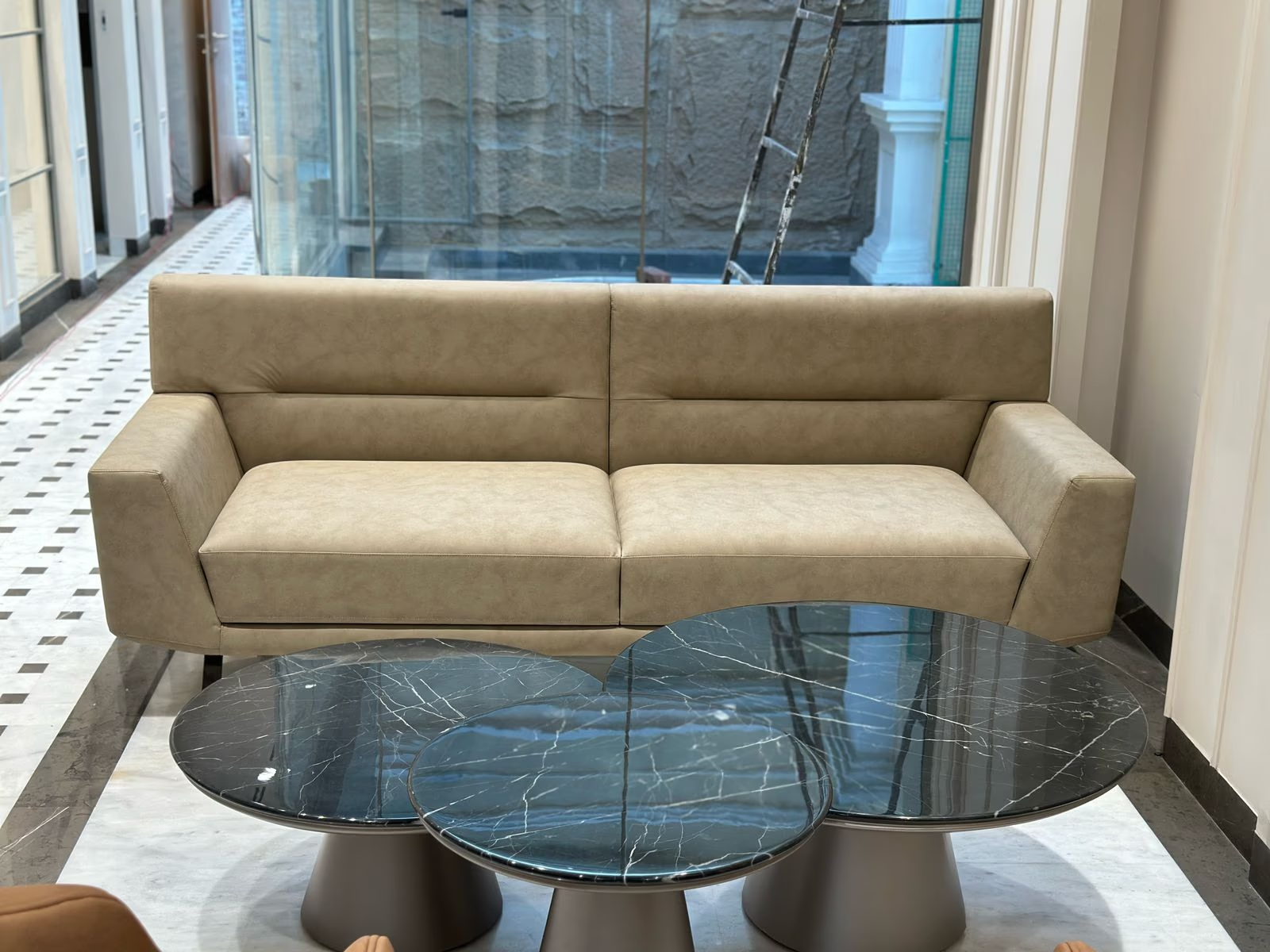
Know your leather before you clean it
Before you touch a cloth to your sofa, it helps to know what kind of leather furniture you own. The care is broadly the same, but the risk level shifts. This simple table clears it up.
| Leather type | How it feels | Care level |
|---|---|---|
| Protected / pigmented | Smooth, even colour, slight coating | Easiest — wipes clean, hides marks |
| Semi-aniline | Soft, natural, light protective layer | Medium — gentle cleaning, condition often |
| Full-aniline / pure | Very soft, natural grain, no coating | Delicate — soaks up spills, needs care |
| Nubuck / suede | Velvety, brushed surface | Special — never wet-clean, use a soft brush |
Most family sofas use protected or semi-aniline leather, which is forgiving and easy to live with. Aniline and nubuck are softer and more natural to the touch, but they stain more easily and need a gentler hand. If you are not sure what you have, ask the maker — or ask us, if the piece came from our atelier.
How to clean a leather sofa the safe way
You do not need fancy products to clean a leather sofa. In fact, the wrong product is the biggest danger. Many wipes and sprays sold for cleaning are far too harsh and will dry the leather out. Keep it plain and gentle instead, and do a full clean every one to three months.
- Vacuum first. Use a soft brush head to lift crumbs and dust, and get right into the seams and folds where grit hides.
- Mix a few drops of pH-neutral soap into warm water. A mild stone-safe or leather-safe soap works well.
- Dip a soft, clean cloth, then wring it out hard. The cloth should be barely damp, never wet.
- Wipe the leather in gentle strokes, one section at a time. Do not scrub or soak the surface.
- Wipe again with a fresh cloth and clean water to lift any soap.
- Dry the piece right away with a soft, dry cloth. Never leave leather wet or let it dry in the sun.
Always test any soap or cleaner on a hidden spot first — the back of a leg panel or under a cushion. Wait a few minutes and check that the colour and finish stay the same. When a full clean is done, follow it with conditioner, which we cover below. Cleaning takes the dirt off; conditioning puts the softness back.
Thinking about a leather sofa, bench or chair built for your room?
Send us your space →What to keep away from leather
Half of good leather furniture care is simply knowing what not to do. These are the things that harm leather the fastest. Keep this list in mind and you will avoid almost every problem.
- Direct sun and heat — a sunny window, a heater or a fireplace bakes the oils out and fades the colour. Keep leather back from all three.
- Baby wipes and all-purpose sprays — they seem gentle but often carry alcohol and harsh cleaners that strip the finish.
- Vinegar, bleach and solvents — far too strong. They dull, dry and crack the surface.
- Too much water — soaking leather leaves rings and stiffens it. Keep every cloth just barely damp.
- Sharp things and pets’ claws — belt buckles, keys, zips and paws all scratch. Mind what meets the seat.
- Ballpoint pens and dye transfer — dark denim and newsprint can bleed onto pale leather. Watch what rubs against it.
The best leather care is to condition, not crack.
Leather conditioning: your best protection
Leather conditioning is the single most helpful thing you can do for a leather piece. A conditioner puts back the natural oils that daily life pulls out. It keeps the leather soft, feeds the fibres, and stops the stiffness that leads to cracks. Think of it as moisturiser for your sofa. Cleaning alone is not enough — a clean but un-fed piece will still dry out and split.
Here is how to condition leather at home, step by step.
- Clean the piece first and let it dry fully. Conditioner should go onto clean, dry leather.
- Put a small amount of leather conditioner on a soft, dry cloth — a little goes a long way.
- Rub it into the leather in gentle circles, working one section at a time. Cover the whole piece, not just the worn spots.
- Let it soak in for the time on the pack, usually ten minutes to an hour.
- Buff off any extra with a clean, dry cloth until the surface feels soft, not greasy.
How often should you do this? Two to four times a year suits most homes. Condition more often in hot, dry weather, or if the piece sits near a window, heater or air conditioner. The real test is touch. If the leather feels dry, stiff or thirsty, it is time to feed it. Always test a new conditioner on a hidden spot first, since some can slightly darken pale leather.
How to remove stains from leather furniture
Even careful homes get the odd mark. Do not panic. Most fresh spills lift out with the right, gentle method. The key is to act while the mark is young and to match the fix to the type of spill.
First, blot — never rub
When something spills, press a dry cloth or paper towel straight down to soak it up. Rubbing only spreads the liquid and pushes it deeper into the grain. Blot, lift, and use a fresh part of the cloth until the surface is dry. For a water-based spill like tea, juice or wine, this alone often does the job.
For oil and grease, draw it out
Oil, butter and grease need a different fix, because water will not lift them. Dab a little cornflour, talc or baking soda over the mark. The powder slowly soaks the oil up out of the leather.
- Blot away any surface oil first with a dry cloth. Do not press it in.
- Sprinkle a thin layer of cornflour or talc over the whole mark.
- Leave it overnight, or at least a few hours, so the powder pulls the oil up.
- Brush the powder off gently with a soft cloth or a soft brush.
- Wipe the spot with a barely damp cloth, dry it, then condition that area so it blends back in.
For ink, dye transfer, deep old stains or a real scratch, stop and call a leather pro — or call us, if the piece came from our atelier. Home fixes with bleach, solvent or hard scrubbing almost always make leather damage worse, not better.
Care habits for leather that lasts
Leather rewards small, steady habits far more than deep cleans. Build these into your week and your piece will stay soft and full of life for years.
- Dust with a soft, dry cloth once a week, and get into the seams and folds.
- Keep the piece at least a metre back from windows, heaters and air-conditioning vents.
- Fluff and swap loose cushions now and then, so one spot does not wear alone.
- Wipe spills the moment they happen — speed matters more than any product.
- Store a small leather-care kit — soft cloths, pH-neutral soap and conditioner — where you can reach it.
The same gentle mindset helps every fine material in your home. See our guides on caring for marble furniture, burl wood and veneer, and velvet and leather upholstery. If you live somewhere hot and damp, our note on protecting furniture in humid weather is worth a read too, since damp air and leather need a careful balance.
Does the type of leather change the care?
A little. The core routine — dust, wipe, condition — stays the same, but the risk level shifts with the leather you chose. Protected and pigmented leather has a light coating, so it shrugs off spills and hides marks. It is the easiest to live with in a busy family home. Wipe it clean and condition it a few times a year, and it will look after itself.
Aniline and semi-aniline leather is softer and more natural to the touch, with the real grain on show. It feels wonderful, but it drinks spills faster, so wipe them at once and be gentle with soap. If you love a piece of tufted leather furniture, remember the deep buttons trap dust — brush them out with a soft, dry brush now and then.
Nubuck and suede are special cases. Their brushed, velvety surface should never be wet-cleaned. Use a soft brush and a dry suede cloth, and treat them with a spray made just for nubuck. If you are picking a new piece, tell us how the room will be used and we will suggest the right leather for your life. That choice is part of caring for the leather before it even arrives.
Leather that is built to be lived with
A leather piece should not feel too precious to use. At Designatore, we build made-to-space furniture around your real life — how you sit, host and unwind. We choose the right leather for the room, finish it well, and hand you a simple care card so you always know what to do. Every piece is made in India and delivered across India and worldwide.
We also stand behind the leather after it reaches your home. If a seat ever fades, dries or scuffs, our atelier can recondition or repair it. That is the difference between furniture you replace and furniture you keep. To see how we choose and finish materials for each client, read how we choose materials, or tell us about your room on our customization page.
Want a leather piece made for the way you actually live?
Start your made-to-space project →