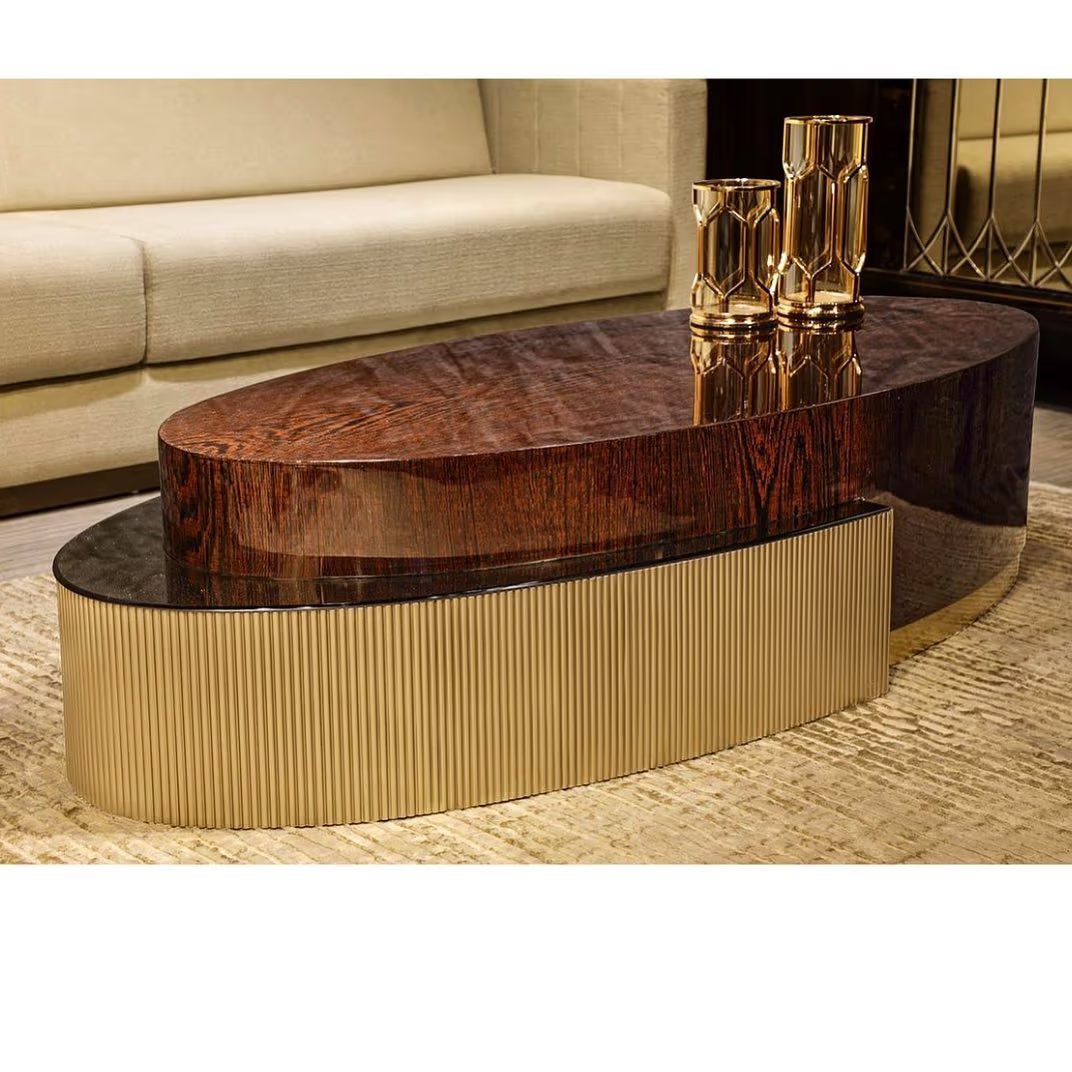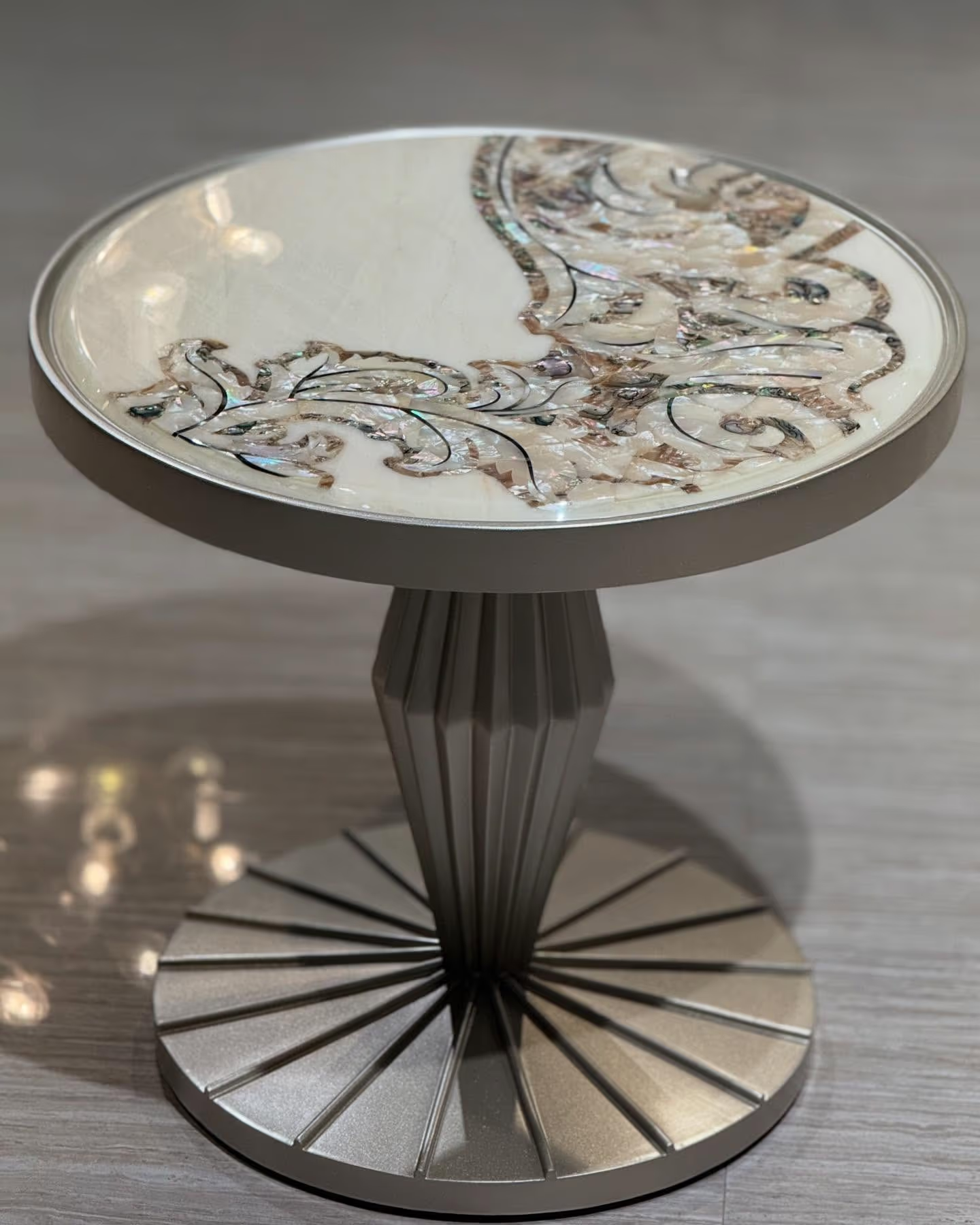

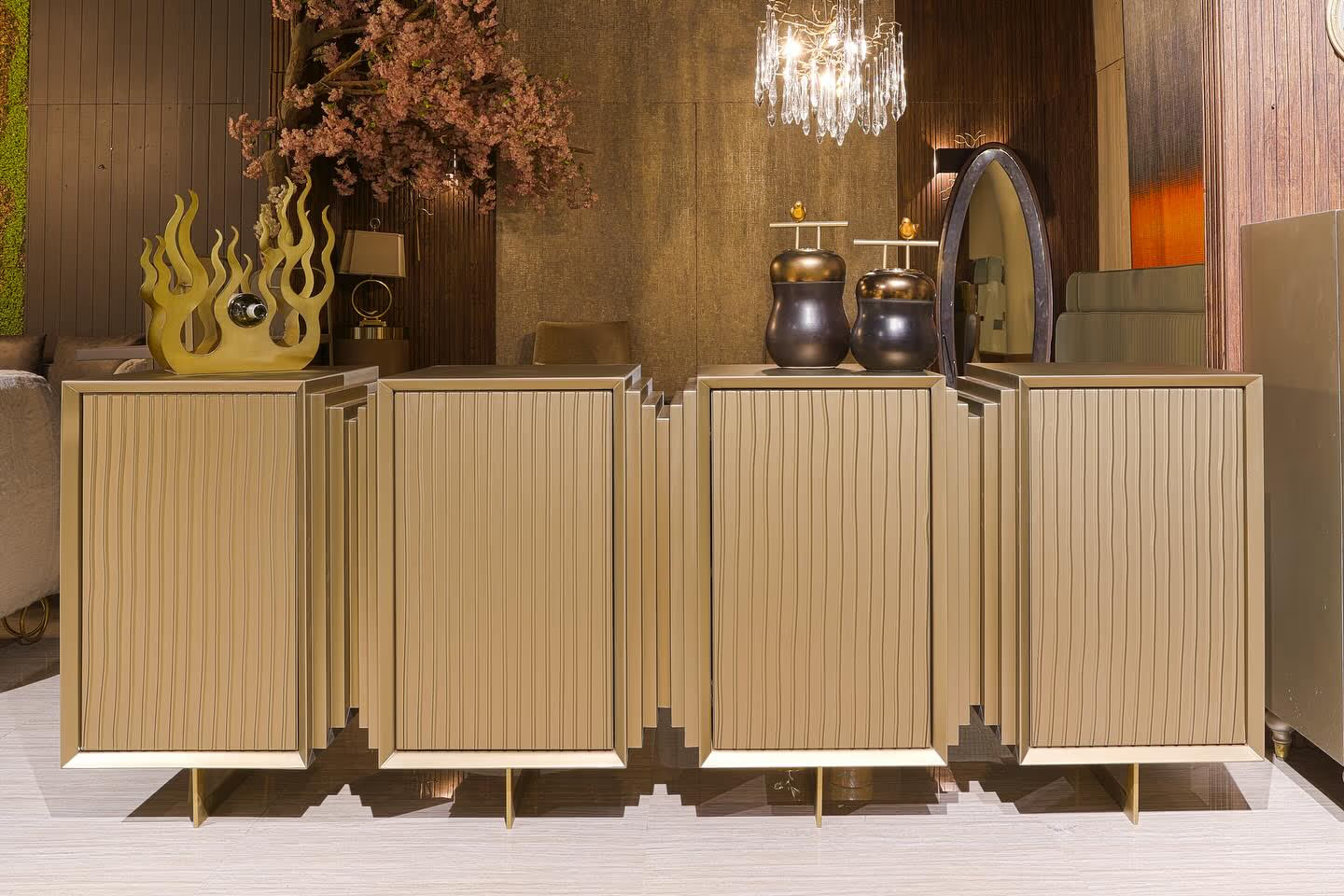
The best wood for furniture in India is teak, followed by close-grained hardwoods like sheesham and solid oak, because they stay true through heat, monsoon damp and dry summers. But the wood is only half the story. Strong joinery — how the parts are cut and joined — is what stops good wood from cracking or warping in a humid climate.
India is hard on furniture. In a single year, one home can face wet monsoon air, dry summer heat and cool winter nights. Wood feels every one of these changes. It swells when the air is damp and shrinks when the air is dry. Choose the wrong wood, or join it the wrong way, and within a few years a lovely table can crack, a door can stop shutting, and a joint can quietly work loose.
The good news is that this is a solved problem. The right woods have kept their shape in this climate for generations, and a skilled maker knows how to help them do it. In this guide we name the best wood for furniture in India, weigh the famous teak vs sheesham question in plain words, and explain why the way a piece is joined matters even more than the wood on the label.
What makes the best wood for furniture in India’s climate
Before we name woods, it helps to know what we are really asking for. A good furniture wood for India is not just pretty. It has to stay calm while the weather around it keeps changing. Three things make a wood suited to this job:
- It is dense. A heavy, close-grained wood has less space inside for water to move in and out, so it swells and shrinks less than a soft, open wood.
- It has natural oils or a tight grain. Oils and a fine grain slow down how fast damp air soaks in, which is exactly what a humid climate throws at your furniture.
- It can be dried well. The best wood in the world will still crack if it is used wet. Wood must be seasoned — dried slowly to the right moisture level — before it is ever cut and joined.
Hold these three ideas in mind and the long list of furniture woods sorts itself out fast. Dense, oily, well-dried hardwoods rise to the top. Soft, cheap, quickly-dried woods fall to the bottom. Everything else sits somewhere in between.
Teak: the best wood for furniture in India
If there is one clear winner for India’s climate, it is teak. It has been the first choice for fine furniture, doors and even ship decks for hundreds of years, and the reason is simple: teak is full of natural oil. That oil sits inside the grain and slows down damp, so teak swells and warps far less than most woods when the monsoon air rolls in.
That same oil does more than fight damp. It quietly keeps insects and rot away, which matters in a warm, wet climate where softer woods can be eaten or spoiled. Teak also ages beautifully. Left alone it settles into a soft, silver-honey tone; sealed and polished, it holds a deep, warm glow for a lifetime. It is strong under weight, kind to carve, and calm through every season.
Teak costs more than most furniture woods, and good teak costs more again. But for the pieces you mean to keep — a dining table, a bed, a large console — it is often the wisest money you can spend, because it simply does not give you trouble. For a sense of what fine hardwood work costs to build well, our custom dining table guide walks through wood, size and price together.
Teak vs sheesham: which wood wins in India
After teak, the wood most Indian homes ask about is sheesham, also called Indian rosewood. It is a strong, handsome, home-grown hardwood with rich dark grain, and it costs less than teak. So which should you choose? The honest answer is that both are good, but they suit different homes.
Teak wins where damp is the real enemy — coastal homes, ground floors, and any room that feels wet through the monsoon. Its oils give it an edge that sheesham cannot match without help. Sheesham is a wonderful wood for drier, inland homes and for pieces that live in well-aired rooms, and with a good sealed finish it serves beautifully for years. It also carves crisply, which makes it a favourite for detailed work.
| What matters | Teak | Sheesham (Indian rosewood) |
|---|---|---|
| Natural oils | High — strong resistance to damp. | Lower — needs a good sealed finish. |
| Best for humid or coastal homes | Excellent, with little care. | Fine when sealed and kept aired. |
| Strength and weight | Very strong and stable. | Strong and dense, slightly more movement. |
| Look | Warm honey to silver-brown. | Rich dark brown with bold grain. |
| Insect and rot resistance | Naturally high. | Moderate — a finish helps a lot. |
| Cost | Higher. | More affordable. |
So the teak vs sheesham choice is really about your room, not just your budget. If a piece will face real damp, lean towards teak and worry less. If it lives in a dry, aired room and you want beautiful dark grain for less money, sheesham is a fine, honest choice — as long as it is well-seasoned and properly finished.
The best wood for your home is the one that stays calm when the weather won’t.
Why humid climate furniture needs the right wood
To understand humid climate furniture, you have to picture what wood does when no one is watching. Wood is a natural thing, and even after it becomes a table it keeps breathing with the air. When the monsoon fills the air with water, the wood drinks a little of it in and swells. When the dry heat returns, the wood gives that water back and shrinks. This movement is small, but it never fully stops.
On a soft or poorly-dried wood, that push and pull is large enough to do harm. A wide top can cup. A door can swell until it sticks, then shrink until it rattles. A glued joint can be pulled apart from the inside, season after season, until it fails. This is why cheap furniture so often falls apart in a few years in India, while a good old piece stays sound for generations.
The right wood makes this movement small and safe. A dense, oily, well-seasoned hardwood barely stirs, so the risk stays low. That is the whole game in a humid climate: not to stop the wood moving — nothing can — but to choose a wood that moves so little, and join it so well, that you never notice. For the care side of the same story, see our guide on protecting luxury furniture in humid weather.
Is solid wood furniture good for a humid climate?
Yes — good solid wood furniture is one of the best things you can own in a humid climate, as long as it is the right wood, well-dried and well-joined. Dense hardwoods like teak handle damp air far better than soft woods, cheap boards or thin, quickly-made furniture. A well-built solid wood piece can outlast the person who bought it.
The trouble people blame on solid wood is almost never the wood’s fault. It is one of two things: timber that was used before it was properly dried, or joints that were made weak to save time and money. Wet wood shrinks hard as it finally dries in your home, and cracks. Weak joints cannot hold the small seasonal movement, and loosen. Neither is a reason to avoid solid wood — they are reasons to choose a real maker.
There is also a smart middle path for large flat panels, where fine veneer over a stable core can stay flatter than a wide solid board. We explain exactly when to use each in our guide on solid wood vs veneer. For legs, frames and edges that take weight and wear, solid hardwood remains the strong, honest choice.
The best woods for furniture in India, ranked
Here is a simple order to keep in mind when you shop, from the safest choices for India’s climate down to the woods that need the most care.
- Teak. The gold standard. Oily, dense, insect-resistant and calm through damp. Best for anything that must last or faces real humidity.
- Sheesham (Indian rosewood). Strong, dark and home-grown. Great value for drier, aired rooms, especially when well-sealed.
- Solid oak. A dense, close-grained hardwood that seasons well and holds its shape. A quiet, elegant all-rounder.
- Walnut. Prized for its deep, flowing grain. Best used as fine veneer on large panels, where it stays flat and looks rich.
- Mango and acacia. Affordable Indian hardwoods that work well for lighter pieces when properly dried and finished.
- Softwoods like pine and cheap engineered board. Fine for low-cost or short-life items, but they move and mark easily and are not built to last in damp air.
Notice that no single wood is right for every part of a piece. The finest furniture mixes woods on purpose — solid hardwood where strength is needed, fine veneer where a wide panel must stay flat and show rare grain. Rare, dramatic grains like burl wood reach large surfaces only as veneer, for exactly this reason.
Why joinery matters more than the wood name
Here is the part most buyers miss, and it is the most important part of all. Even the best wood in the world moves a little with the seasons. What decides whether that movement is harmless or fatal is not the wood — it is the joinery. Joinery is simply how the parts of a piece are cut and fixed to each other.
Traditional joints are shaped so the wood can breathe. A mortise-and-tenon joint locks one part deep inside another, strong yet able to hold tiny movement without splitting. A dovetail joint interlocks like clasped fingers, so a drawer stays square for a lifetime. These joints have held Indian doors, temples and chests together for centuries, through every kind of weather.
Cheap furniture skips all of this. It is stapled, dowelled and glued fast, because that is quick and low-cost. When the wood swells and shrinks, those weak joints fight the movement instead of allowing it — and lose. The panel cracks, the frame loosens, the door drops. This is why two tables made from the very same teak can live totally different lives. One was joined by a craftsman. One was stapled by a machine.
Not sure which wood suits your rooms, your city and your weather? Send us a photo of your space and we will tell you the right wood and finish for each piece — before anything is built.
Send us your space →Woods and shortcuts to be careful with
A quick word on what to avoid, because the humid climate is unforgiving of shortcuts. None of these are always wrong, but each needs care.
- Wet or “green” wood. Timber that has not been properly dried will shrink and crack after it reaches your home. Always ask how the wood was seasoned.
- Very soft woods for hard-worked pieces. Pine and other softwoods dent, mark and move easily, so they are a poor pick for a table or a bed you mean to keep.
- Cheap engineered board with a printed skin. A thin, printed layer over weak board swells and peels in damp air. Fine veneer over a strong core is a different, much better thing — see solid wood vs veneer.
- Unsealed surfaces. Even good wood needs a proper finish in India. Bare wood drinks in damp and stains fast.
The pattern is clear. Most furniture failures in India are not bad luck. They are wet wood, weak joints or no finish — three shortcuts a good maker never takes.
How Designatore chooses and seasons wood for your climate
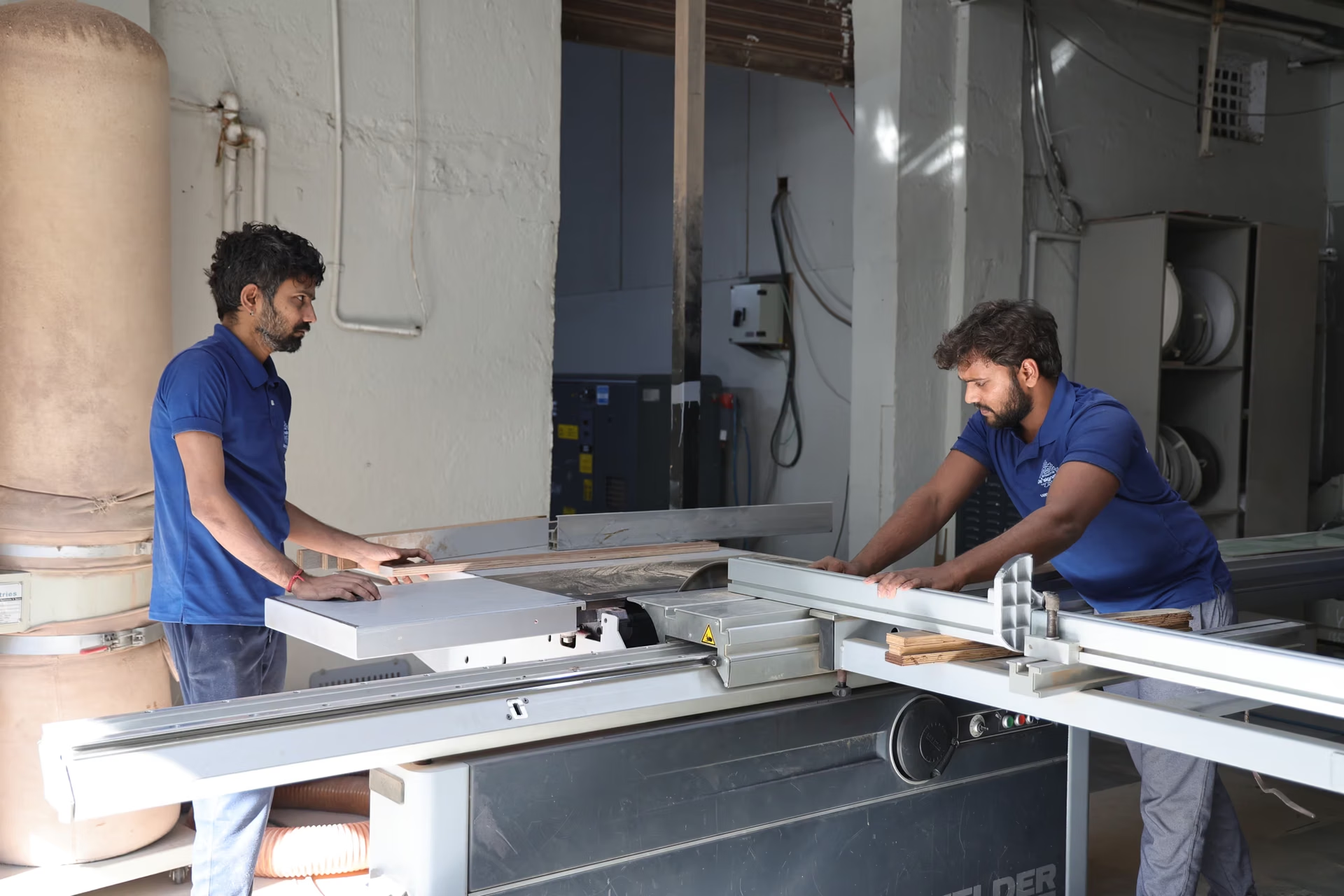
In our own workshop, the wood choice starts long before we cut anything. Because we build made-to-space furniture for one exact home, we can match the wood, the finish and the joinery to your city and your rooms — not to a factory average. This is the quiet care behind pieces trusted by careful, discerning clients across India, including public figures such as Amitabh Bachchan.
- We read your climate. A coastal, humid home and a dry inland one call for different woods and finishes, so we choose for where the piece will actually live.
- We season the wood properly. Timber is dried slowly to the right moisture level before it is ever cut, so it will not shrink or crack after it reaches you.
- We place each wood where it belongs. Solid hardwood for legs, frames and edges; fine veneer for large flat panels that must stay flat and show rare grain.
- We join it by hand to last. Mortise-and-tenon and dovetail joints hold firm while leaving room for the wood to breathe with the seasons.
- We seal it for India. A proper finish protects the surface from damp, marks and time, and simple seasonal care keeps it calm for decades.
Because one team draws, builds and signs every piece, there is one clear standard behind the wood and the finish. You can see finished work in the Designatore collection, read how we choose materials for each client, and meet the house through its founder, Nidhi Patel.
The bottom line on the best wood for furniture in India
If you remember only one thing, remember this: teak is the safest wood for India’s climate, sheesham and solid oak are strong choices, and the way a piece is joined matters even more than the wood on the label. A dense, well-seasoned hardwood, joined by a skilled hand and sealed for damp, will stay true through every monsoon and every dry summer.
The finest pieces are not about one perfect wood. They are about the right wood in the right place, dried properly and joined with care. If you have a room in mind and want furniture built to stand up to your weather, the first step is simple: send us your space, and we will design a piece built to fit it — and to last a lifetime.