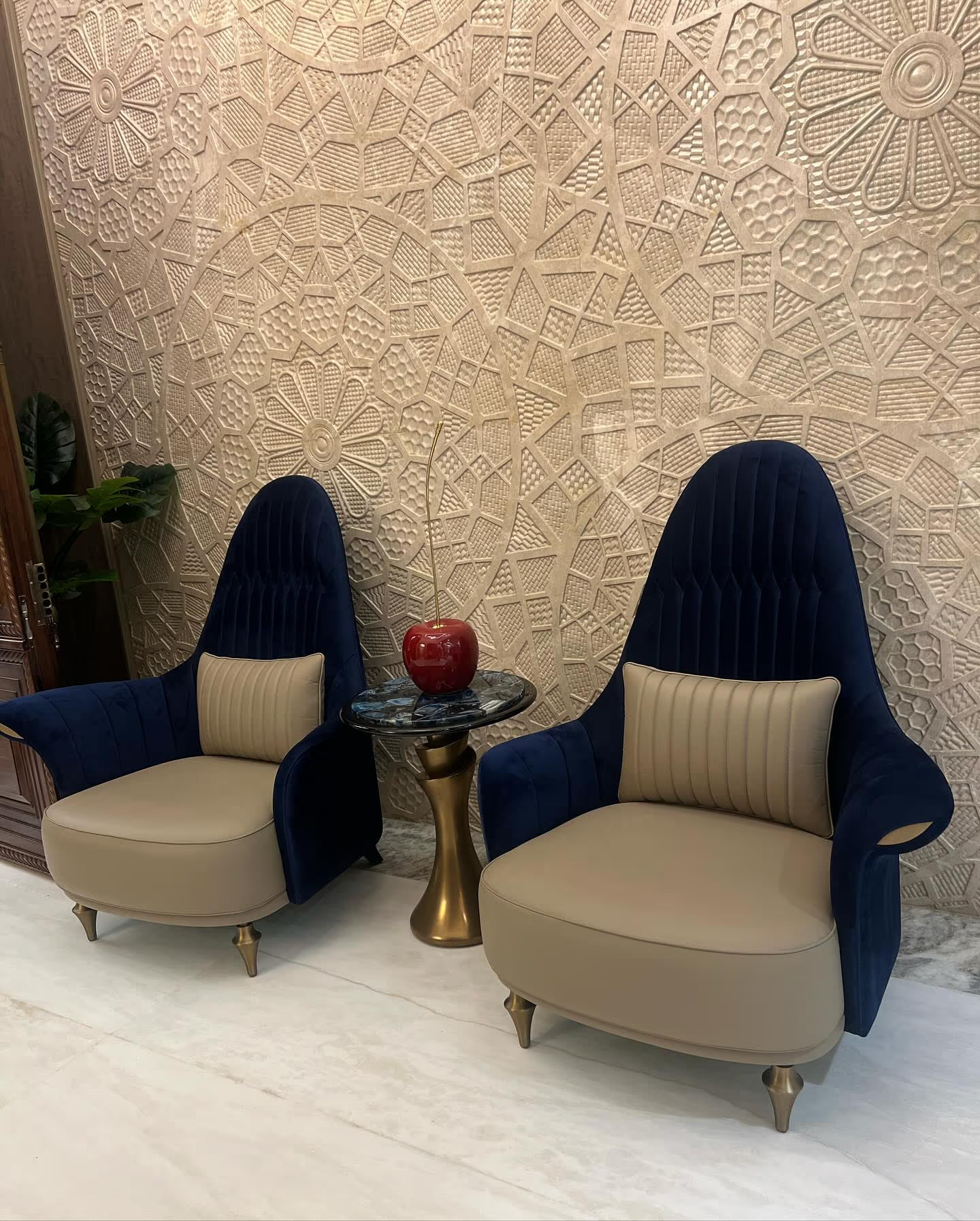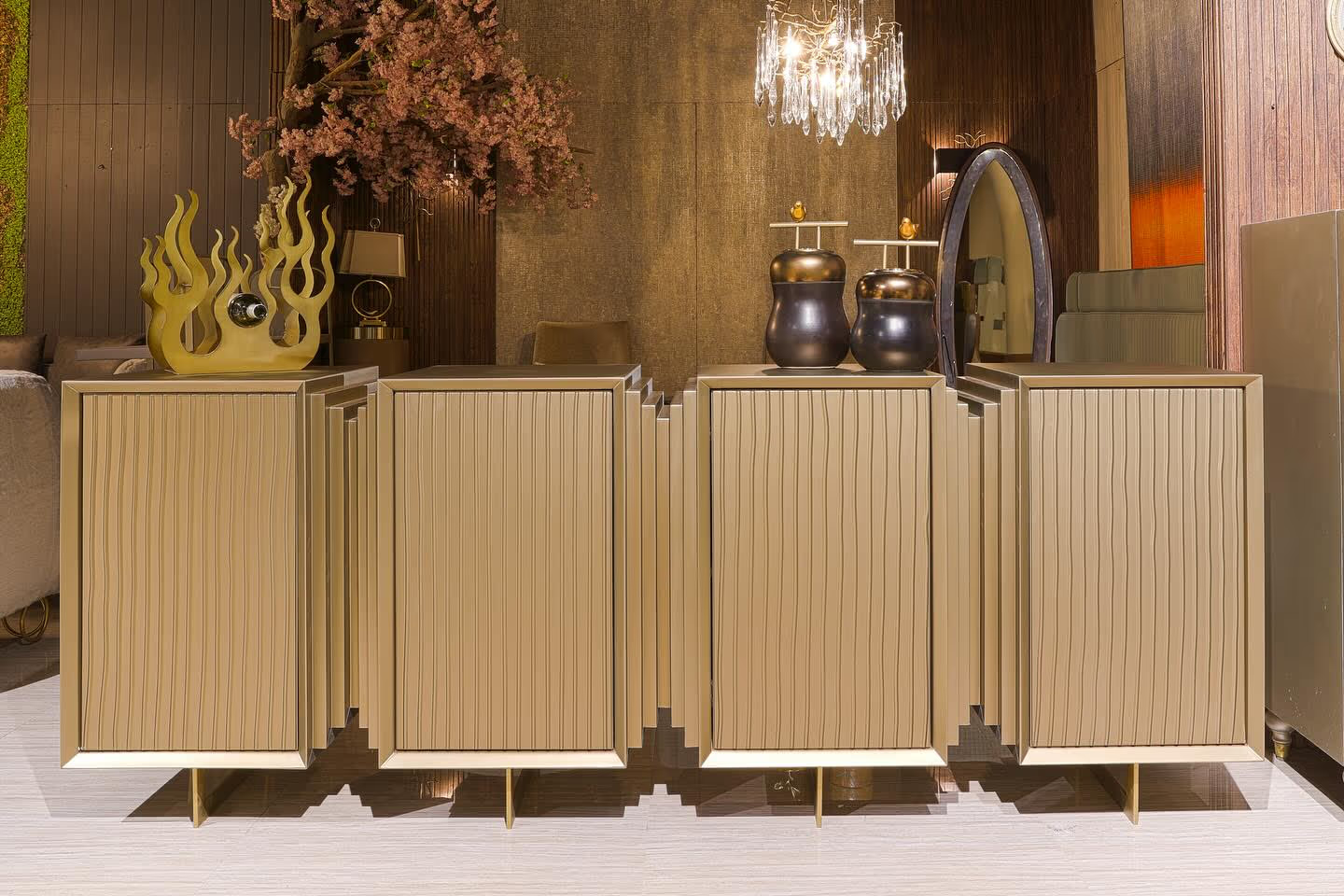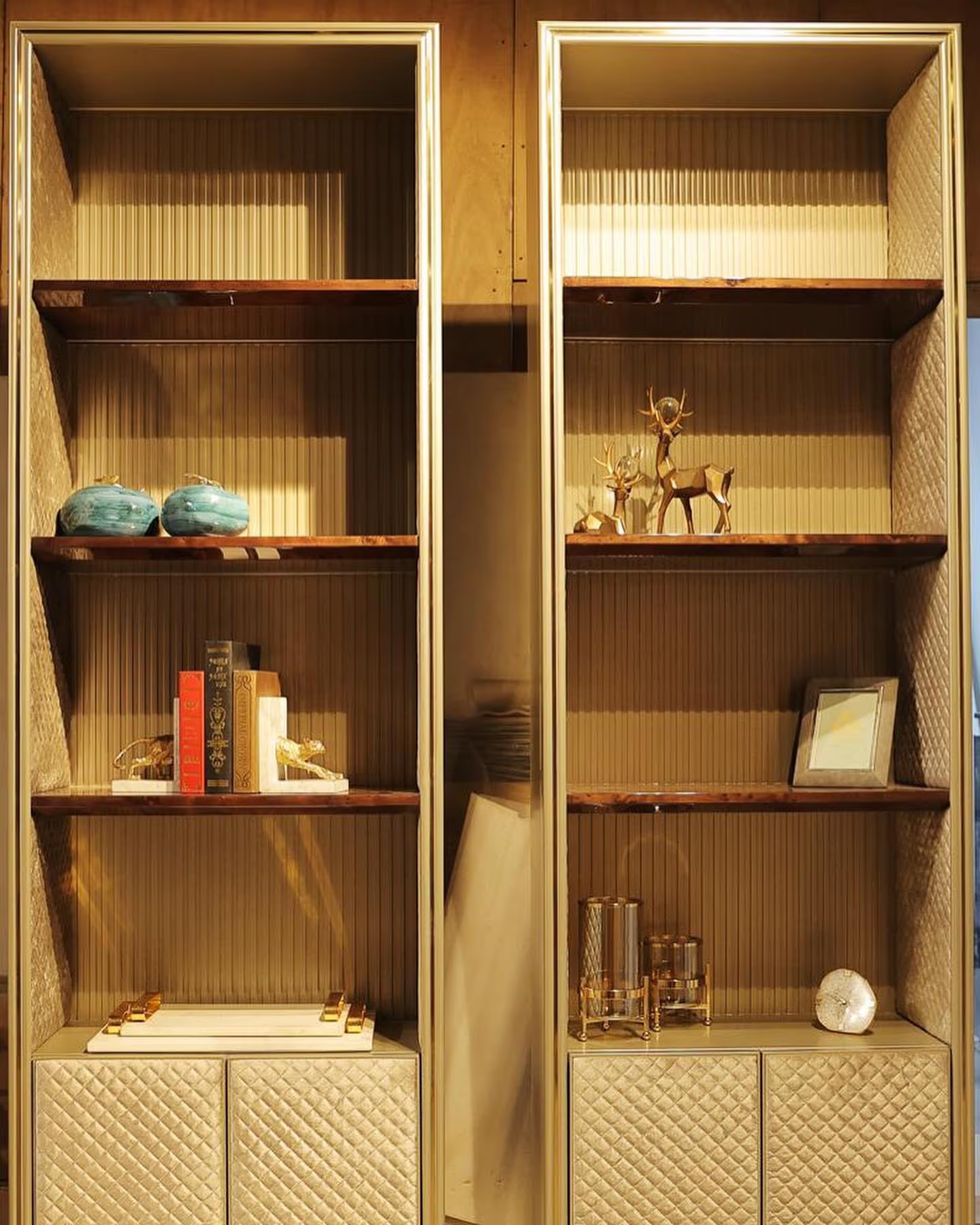

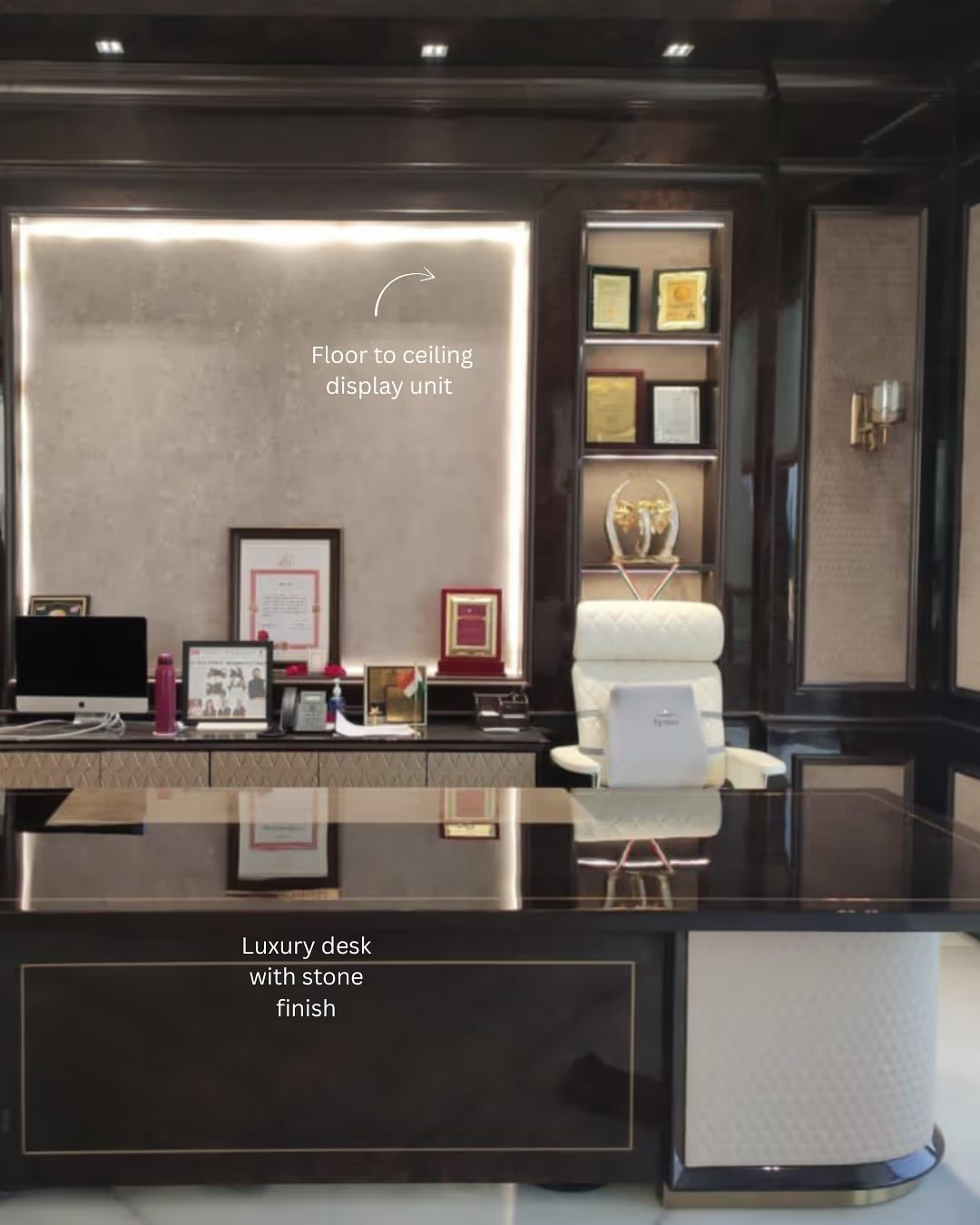
The real difference in made-to-space vs modular furniture is fit. Modular furniture is built from fixed factory boxes joined together, so it leaves gaps at odd walls, pillars and ceilings. Made-to-space furniture is drawn and hand-made for one exact room, so it fits to the inch with no fillers and no leftover gaps.
Both promise furniture that suits your home. Both look neat in a showroom. But once the pieces reach a real room — with its odd wall, its tall ceiling, its pillar in the wrong place — the gap between them shows. Modular furniture bends your room to fit its boxes. Made-to-space furniture bends to fit your room. That one difference changes how the whole space feels.
In this guide we explain, in plain words, how modular furniture and made-to-space furniture really differ, where modular still leaves gaps, and how to choose the right one for your home or office. If you are new to the idea, our list of 7 signs you need made-to-space furniture is a simple place to start.
What is modular furniture?
Modular furniture is made from standard boxes, called modules. Each module is built in a factory in a set size — say 450, 600 or 900 mm wide. To furnish a wall, these boxes are lined up side by side and joined together on site. Modular kitchens and wardrobes are the most common examples.
The good side is clear. Modular furniture is quicker to make, easier to price, and simple to install. For a fast fit-out, a rental, or a tight budget, it does a solid job. But because the boxes come in fixed sizes, they rarely add up to the exact length of your wall. That is where the fillers begin.
What is made-to-space furniture?
Made-to-space furniture is the opposite way of working. Instead of starting with boxes, it starts with your room. The wall is measured to the inch, the ceiling height is noted, the light and the existing colours are studied, and only then is the piece drawn. Nothing is built until the design fits the space exactly.
This is a step past ordinary custom furniture. Custom furniture changes a standard design to suit you. Made-to-space furniture is shaped to one real room from the first line. To see how the room itself guides every choice, read how we design furniture around your room.
Made-to-space vs modular furniture: the key differences
Here is the plain comparison, side by side, so you can see exactly where each one wins.
| What matters | Modular furniture | Made-to-space furniture |
|---|---|---|
| Sizes | Fixed factory boxes (e.g. 450, 600, 900 mm). | Any size, drawn to your exact wall. |
| Fit to the wall | Often needs filler strips to close gaps. | Fits corner to corner, no fillers. |
| Odd walls and pillars | Struggles; leaves dead space. | Wraps pillars, curves and nooks. |
| Ceiling height | Stops at a standard height. | Runs full height, floor to ceiling. |
| Finishes | A set list of colours and boards. | Any wood, stone, metal or fabric. |
| Look in a fine home | Neat, but can read as part-finished. | Seamless, made for that one room. |
| Start cost | Lower. | Higher, with more value over time. |
Read down the table and a pattern appears. Modular furniture is built for speed and price. Made-to-space furniture is built for fit and finish. Neither is wrong — but in a luxury home, the small gaps modular leaves are exactly the details the eye keeps catching.
Modular fills a wall with boxes. Made-to-space fills it with one idea.
The real modular furniture limits
Modular furniture is not bad furniture. It simply carries limits that come from its fixed-box design. In an average room these limits stay hidden. In a fine home, with tall ceilings and unusual walls, they show. These are the main modular furniture limits to know before you buy.
1. Fixed sizes leave filler gaps
Say your wall is 2,740 mm long. Standard boxes might add up to 2,700 mm. The last 40 mm is closed with a plain filler strip. One filler is easy to miss. Three or four across a room start to look like a patch-up, not a design.
2. Fixed heights waste the top
Most modular units stop at a standard height and leave a gap to the ceiling. That gap gathers dust and boxes, and it breaks the calm, full-height look that makes a luxury room feel finished. Made-to-space fitted furniture runs right to the ceiling instead.
3. Odd walls beat the boxes
A curved wall, a slanted ceiling, a pillar or a bay window is where modular furniture gives up. Square boxes cannot follow a curve, so you either lose the space or force an ugly join. This is the single biggest reason people move from modular to made-to-space in odd-shaped rooms.
4. Set finishes rarely match
Modular units come in a fixed list of boards and colours. That list almost never matches the exact marble, wood or brass already in a high-end room. Made-to-space furniture picks the wood, stone and metal to suit that one space, so every piece belongs to the same colour story.
Not sure how your wall would be handled? Send us a photo and we will show you the fit before anything is built.
Send us your space →Is modular furniture cheaper than made-to-space?
At the start, usually yes. Modular furniture uses standard boxes and factory parts, so the first bill is lower. That is a real advantage for a quick fit-out, a rental, or a first home on a careful budget. If speed and price come first, modular has a clear place.
But look at the whole life of the piece, not just day one. Modular panels wear at the edges, and matching a worn board years later is hard once the range has changed. Made-to-space furniture costs more up front, yet it fits perfectly, uses solid wood and real stone, and lasts for decades. Over time, one well-made piece can cost less than three replacements. We break down the numbers in our made-to-space furniture price guide and in is bespoke furniture worth it. Prices there are shown in both ₹ and $, so India and overseas clients read the same clear number.
Fitted furniture vs made-to-space furniture
People often ask if fitted furniture is the same thing. It is close. Fitted furniture is built into a wall or alcove so it looks like part of the room, not a piece set against it. A fitted wardrobe or a built-in bookshelf is a good example. The join lines are hidden, the edges meet the wall cleanly, and the piece reads as architecture rather than an object dropped into the room.
Made-to-space furniture is fitted too, but it goes one step further. It is designed around the whole room — the light, the colours, the ceiling height and the way you move through the space — and it can be built-in or free-standing. So all made-to-space furniture is fitted, but not all fitted furniture is truly made to a space. The extra step is the room itself.
Where the gaps show most: kitchens, wardrobes and TV walls
Modular furniture is used most in three places — the kitchen, the wardrobe and the media or TV wall. These are also the three places where its limits show first, because each one runs along a full wall and meets a ceiling, a corner or a window.
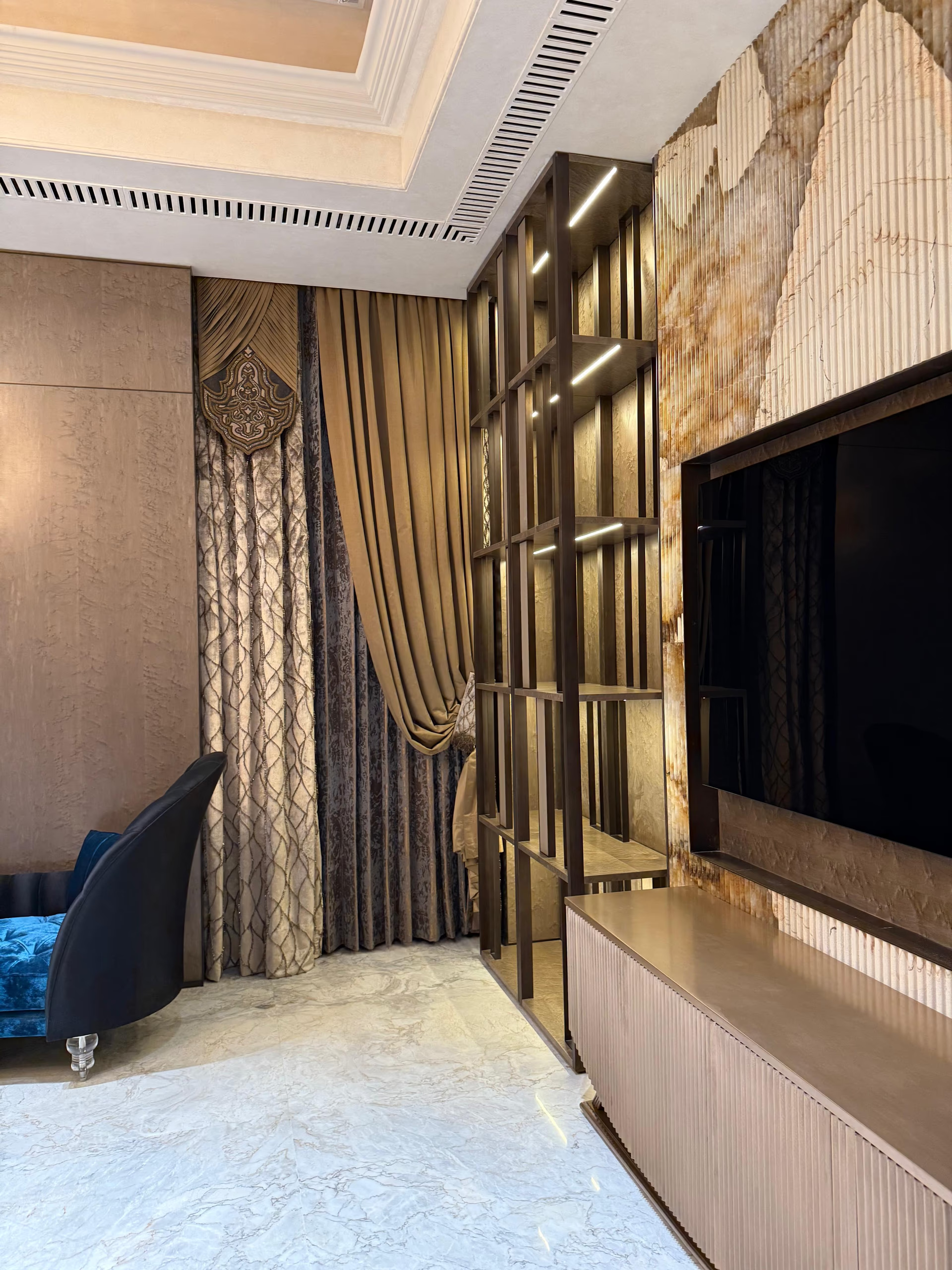
In a kitchen, standard cabinet widths rarely match the room, so a filler strip appears next to the fridge or the chimney. In a wardrobe, the boxes stop short of a tall ceiling and leave a dusty gap on top. On a TV wall, a modular unit sits as a straight run of boxes, while a made-to-space media wall can wrap a pillar, frame the screen and carry storage up to the ceiling in one flowing line. The furniture stops looking like separate parts and starts looking like the wall was always meant to be that way.
The point is not that modular is ugly. It is that a wall full of near-fits reads as almost-right, and in a home built around fine marble, wood and light, almost-right is the one thing the eye keeps returning to. Made-to-space removes the almost.
When modular furniture is the right choice
Made-to-space is not the answer for every job, and honest advice matters more than a hard sell. Modular furniture is a smart pick when:
- You need a fast fit-out and cannot wait several weeks.
- The room is a plain, standard shape with simple straight walls.
- It is a rental or a short-term home you will leave soon.
- Budget is the first rule and the finish only needs to be neat.
In these cases modular does its job well. There is no need to spend more for a level of fit the room does not ask for.
When made-to-space furniture is worth it
Made-to-space furniture earns its cost when fit and finish truly matter. Choose it when:
- You are furnishing a new or freshly renovated luxury home you plan to keep.
- You have odd-shaped rooms, tall ceilings, pillars or curved walls.
- You want every room to share one colour story and one seamless look.
- You care about materials and want the piece to last for decades.
- You have one exact spot — a wall, a corner, an alcove — that no box will fit.
If two or more of these sound like you, made-to-space furniture will almost always give a better result than lining up modular boxes and hoping they meet the wall. For more signs, see 7 signs you need made-to-space furniture and why standard furniture fails in luxury homes.
How Designatore builds made-to-space furniture
The process is calm and clear, and you approve everything before a single piece of wood is cut. It is the same care whether you need one unit or a full home.
- You send us your space. A photo, a floor plan, or even a quick picture of one wall, along with how you live or work in the room.
- We measure and study the room. Wall length, ceiling height, light, existing colours and the way you move through the space.
- We design and show you. You see the wood, the stone, the colours and a real picture of your piece in your room, with no fillers and no gaps.
- We build it by hand. Made in India in our own workshop, using solid wood, natural stone, warm metal and fine upholstery.
- We sign and deliver. Each piece is checked, signed and delivered with full care, across India and worldwide.
Because one team draws, builds and signs every piece, there is one clear name behind the fit — and one clear name to hold to it. You can see finished work in the Designatore collection, and read how the house was built around this idea by founder Nidhi Patel.
The bottom line on made-to-space vs modular furniture
Modular furniture asks your room to accept its boxes. Made-to-space furniture asks nothing of your room except its true shape. In a plain, budget space, boxes are fine. In a luxury home — with its long walls, tall ceilings and awkward corners — the gaps modular leaves are the very details that stop a room from feeling finished.
If your home is already done and one wall still feels wrong, or you are starting a full home or office from scratch, the first step is the same and simple: send us your space, and we will design furniture made to fit it — to the inch, with nothing left over.