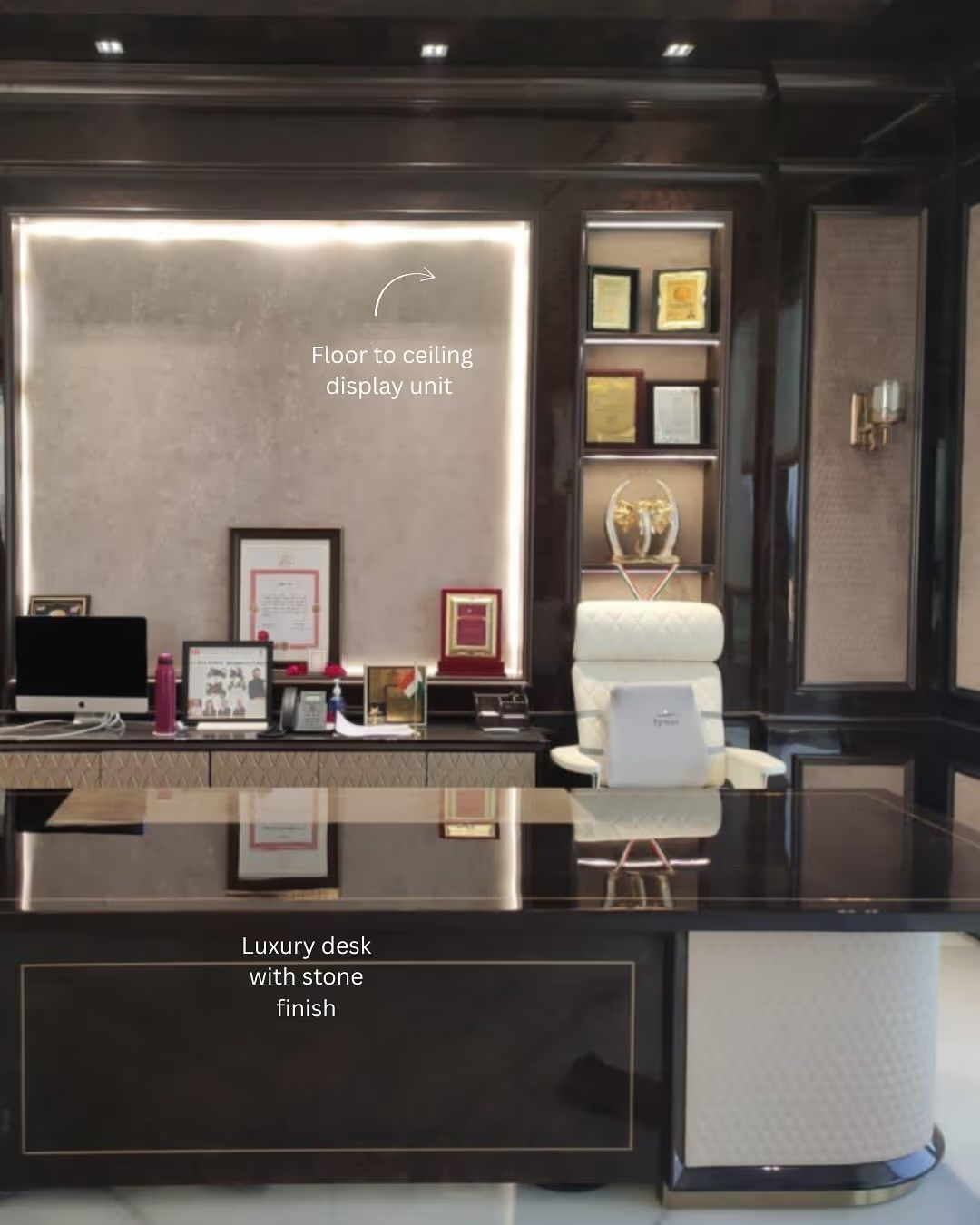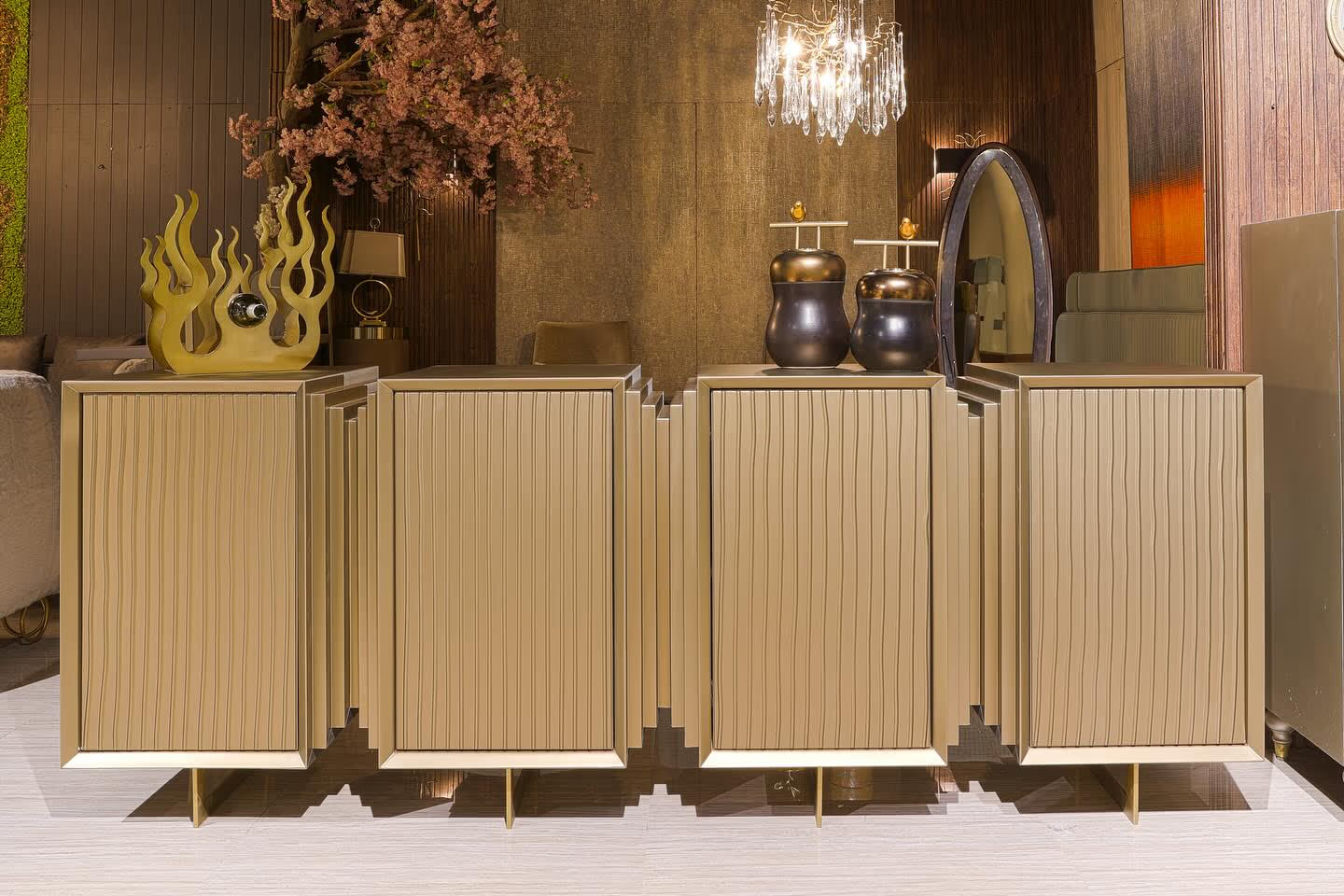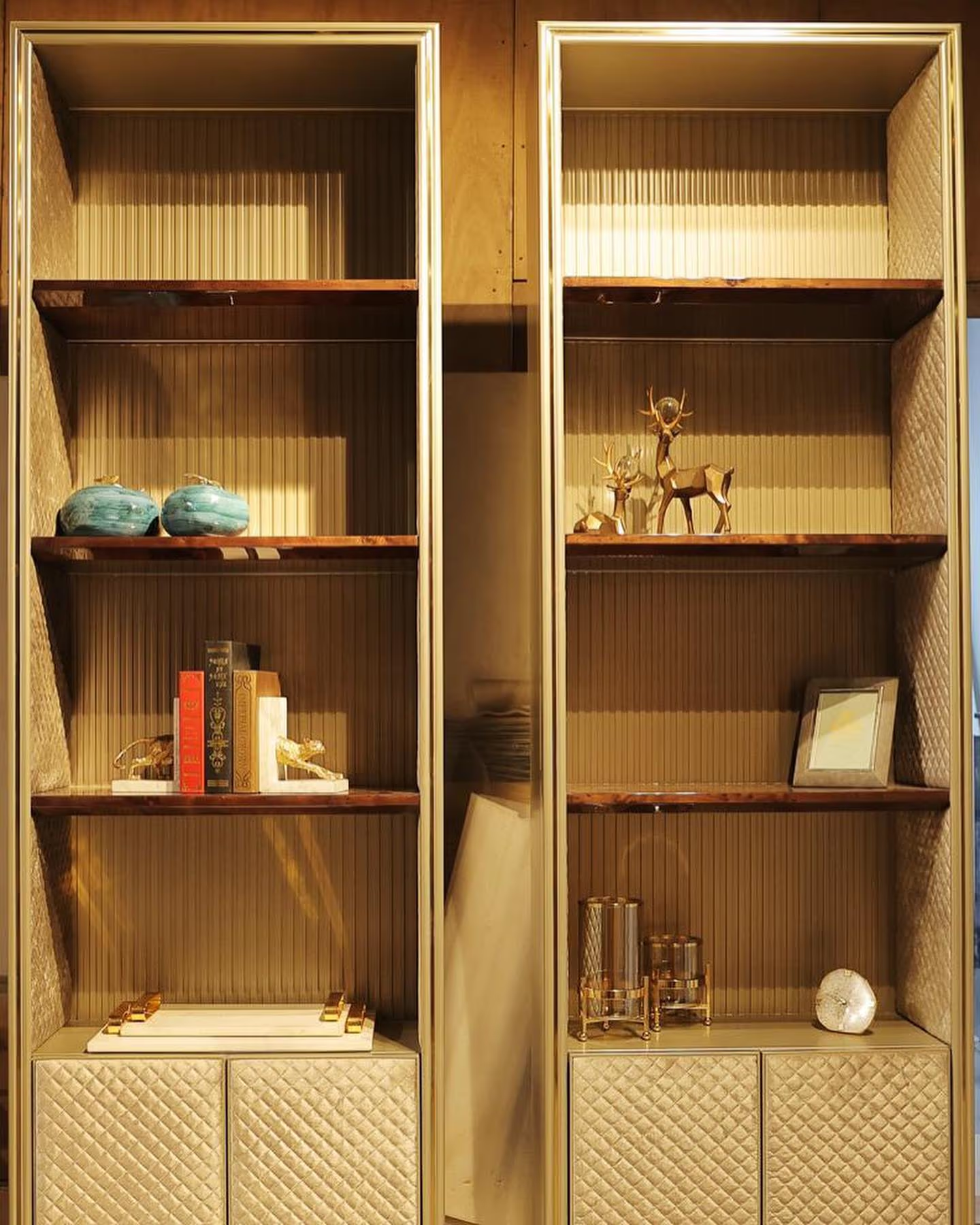

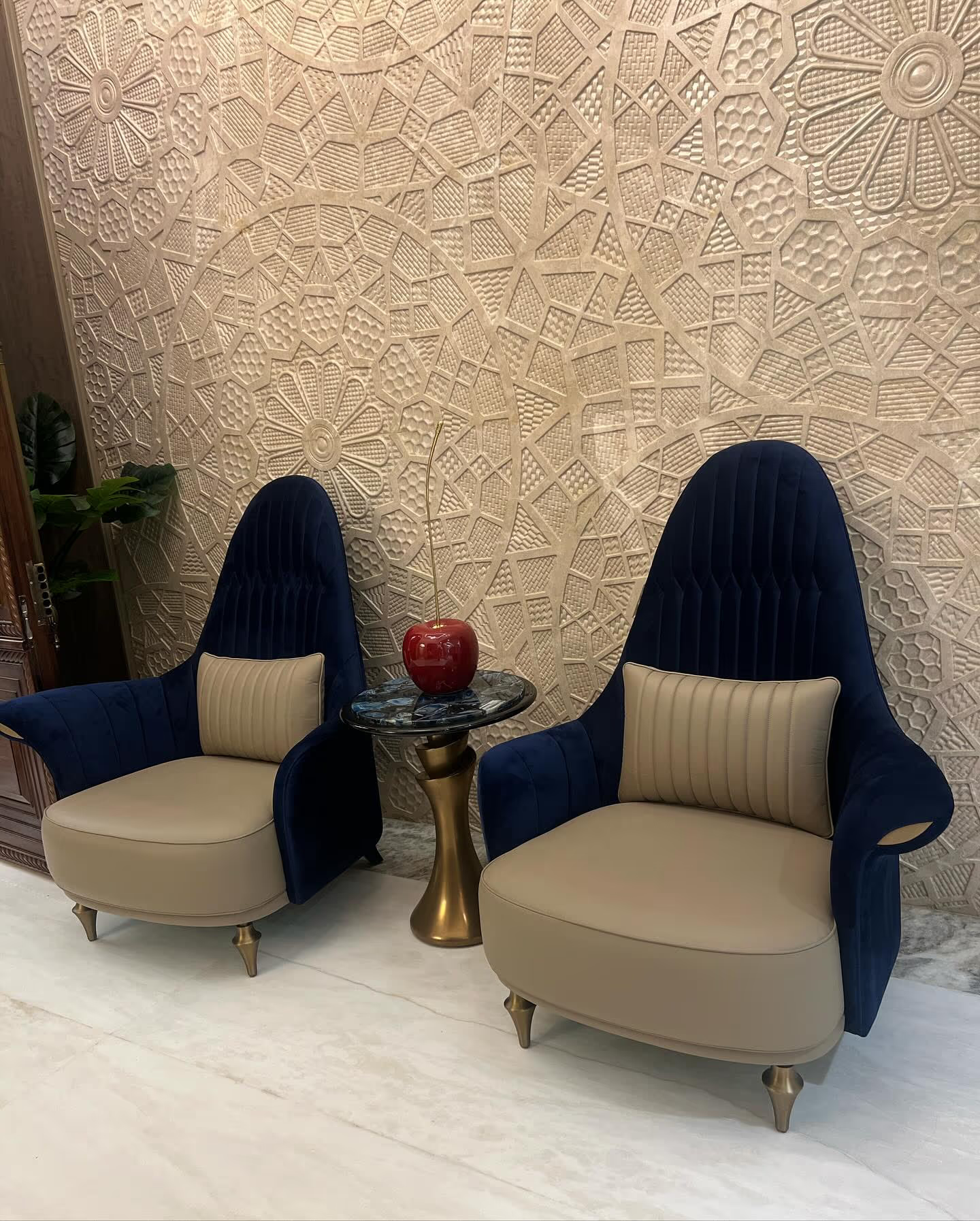
Why standard furniture fails in a luxury home comes down to one thing: fit. Standard furniture is built for an average room, so it almost always looks a little wrong — too small on a long wall, too deep for a passage, the wrong tone beside your marble. Custom, made-to-space furniture is drawn around your exact room, so it fits and finishes the space.
You have felt it before. You spend a lot on a beautiful home. The floor is right. The light is right. Then the furniture arrives, and something is off. The sofa looks small on the wall. The cabinet leaves a strange gap near the ceiling. The colours almost match your stone, but not quite. Nobody can say what is wrong. The room just does not feel finished.
This is the problem every high-end homeowner feels but cannot name. It is not bad taste. It is not a bad room. It is standard furniture doing what standard furniture does — fitting an average room, not yours. In this guide we explain, in plain words, the real difference in standard vs custom furniture, why ready-made pieces fail in fine homes, and what to do instead.
Standard vs custom furniture: the real difference
Standard furniture is made first, then sent to a shop, and only later does it land in your home. It is built for a warehouse and an average room. The maker never saw your walls, your light, or your ceiling height. So the piece is a guess — a good guess, maybe, but still a guess about a room it was never measured for.
Custom furniture flips that order. It starts with your room and works backwards. The best form of this is what we call made-to-space furniture — a piece drawn around one exact room, its size, shape, light and colour story. If you want the deeper split between the two ideas, read made-to-space vs modular furniture. For now, hold this simple line in mind:
Standard furniture asks you to fit the piece. Custom furniture fits you.
That one change fixes almost every problem below. When the room comes first, the scale is right, the colours agree, and nothing is left over. When the piece comes first, you spend years quietly living around its faults.
Why ready-made furniture fails in luxury homes
Expensive homes rarely have plain, average rooms — and that is the whole trouble. Ceilings are taller. Walls are longer. There are pillars, curved walls, bay windows, double-height foyers and pooja corners. Standard furniture is built for a plain box of a room, so in a fine home it almost always looks a little off.
Think about scale first. A standard three-seat sofa is sized for a normal wall. Put it under a grand ten-foot ceiling on a long wall, and it looks small and lost. The room swallows it. Now push a deep standard cabinet into a slim passage, and it eats the walking space. The same piece is too small in one home and too big in the next, because it was never made for either.
There is also depth to think about. A standard cabinet is built to one factory depth, whatever wall it meets. In a wide room it can look shallow and mean; in a slim passage it juts out and blocks the walk. The wall was always going to lose that fight, because the piece was drawn long before anyone knew the wall existed.
Then there is the colour. Your home has a colour story already — in the marble, the wood floor, the wall stone, the light. Standard furniture comes in stock shades chosen for everyone, so it lands next to your stone looking almost right, which is the worst kind of wrong. The eye catches the clash even when the mind cannot name it. And because the shade was fixed at a factory, there is no way to nudge it warmer or cooler to agree with the room.
Last is ownership of the look. When you buy from five different shops, no one owns the final room. Each piece was designed alone, by a different hand, for a different average room. Put them together and they argue. To see how the opposite feels, look at how a whole home comes together in one look — one team, one colour story, room after room.
Ready-made furniture problems you feel but cannot name
Here are the ready-made furniture problems that quietly cheapen a luxury home. Read the list slowly. You will likely recognise your own rooms in it.
- Poor scale. The piece is too small on a big wall, or too big in a tight spot. It never sits in balance with the room.
- Dead space and gaps. A gap near the ceiling above a wardrobe, or a strip of floor no cabinet quite fills. The room looks unfinished.
- Colours that almost match. Stock shades that sit close to your stone and floor, but never truly agree with them.
- Thin materials. Veneer over board instead of solid wood, foam that sags, joints that loosen. It looks fine on day one and tired by year three.
- A mixed-up look. Pieces from many shops that each shout on their own and never speak to each other.
- Wasted rooms. Odd corners, alcoves and curved walls left empty because no shop piece fits them.
None of these are your fault. They are the built-in limits of buying an average piece for a home that is anything but average. If two or more of these sound like your rooms, you are seeing the signs you need made-to-space furniture.
Standard vs custom furniture: a side-by-side comparison
Here is the difference at a glance, point by point, so you can weigh it for your own home.
| What matters | Standard furniture | Custom-fit furniture |
|---|---|---|
| Fit to your room | Whatever happens to fit an average size. | Measured and built to the inch for one exact room. |
| Scale | Often too small or too big for the wall. | Sized in balance with the wall and ceiling. |
| Colour | Stock shades made for everyone. | Matched to your stone, wood and light. |
| Materials | Often veneer, board and thin foam. | Solid wood, natural stone, real metal, fine upholstery. |
| Odd rooms | Corners and curves left empty. | Tricky spots turned into the best part of the room. |
| Life span | Often replaced every few years. | Built to last for decades. |
The right-hand column is not a dream. It is simply what happens when the room comes first. For a fuller version of this table with real prices, see bespoke vs ready-made furniture.
How custom-fit furniture solves each problem
Custom-fit furniture does not add tricks. It removes the guess. Because the piece is drawn for your room, each problem above simply cannot happen. Here is how the process fixes them, step by step.
- Your room is measured to the inch. Wall length, ceiling height, window and door positions. So the scale is right, and gaps disappear.
- The light is studied. We see how the sun moves through the room, so wood tone and fabric look right at every hour, not just in a showroom.
- Colours are matched to your home. The wood, stone and cloth are chosen next to your floor and marble — not from a stock list.
- Real materials are used. Solid wood, natural stone, warm metal and fine upholstery, so the piece looks better with age, not worse.
- Odd spots become features. A curved wall, a pillar or an alcove is drawn into the design, so the hardest corner turns into the best part of the room.
You approve every choice before a single piece of wood is cut. To see the full method, read how we design furniture around your room. And if your home is full of tricky angles, the guide to furniture for odd-shaped rooms shows how the worst corners become the best.
Notice what is missing from that list: guesswork. With standard furniture you buy first and hope it fits. With custom-fit furniture you measure first and know it fits. That single change is why a fine home stops feeling almost-right and starts feeling settled. The room reads as one calm idea, because it was built as one — not gathered from six shops and pushed together.
Have a wall, a corner or a whole home that standard furniture keeps failing? Show us the space and we will design furniture made to fit it.
Send us your space →What luxury home furniture should really do
Good luxury home furniture is quiet. It does not shout. It fills its wall exactly, sits in calm balance with the room, and leaves nothing awkward behind. When it is right, you stop noticing the furniture and start feeling the room. That calm is the real mark of luxury — not a logo, and not a high price.
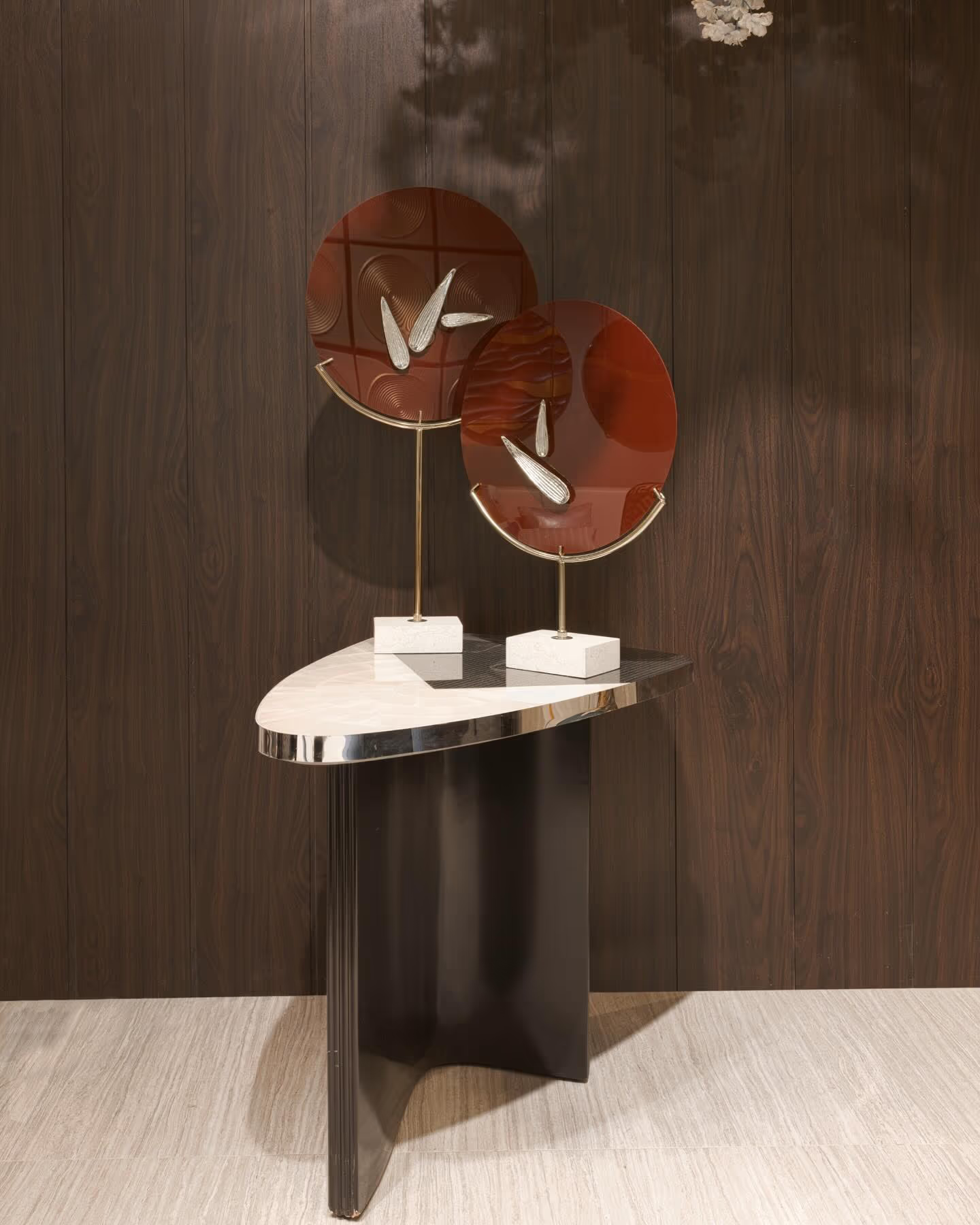
Standard furniture can never quite reach this, because it was made for a room it never saw. The gap you feel — the almost-right that never becomes right — is the gap between an average size and your exact space. Real luxury is not bought off a shelf, because for a room like yours, there is no shelf that fits.
Is custom-fit furniture worth it over standard furniture?
For a home you plan to keep, yes. Custom-fit furniture costs more at the start — usually two to five times a mass-made piece — but most of that cost is real materials and skilled hands, not a brand badge. It fits perfectly, uses better materials, and lasts for decades. We show real numbers in the made-to-space furniture price guide, in both ₹ and $.
Think about the long run. Cheap furniture is often replaced every few years. Over ten years, one well-made piece can cost less than three throwaway ones — and it looks right every single day in between. Fine furniture also holds its worth, which is why so many owners treat it as a long-term investment, not a yearly expense.
There is also the simple matter of rooms that standard furniture cannot serve at all. If you have a curved wall, a double-height foyer, a pillar in the wrong place or an alcove no shop piece fits, custom-fit furniture is not a luxury — it is the only real answer. For the honest cost-versus-value view, read is bespoke furniture worth it.
Who makes custom-fit luxury home furniture?
Designatore, founded by designer Nidhi Patel, is a house built around made-to-space furniture — the most tailored form of custom-fit luxury home furniture. One team designs, builds and signs every piece by hand in India, for high-end homes and corporate spaces across India and worldwide. The same team stands behind the work from the first photo of your room to the day it is installed.
That matters when you are buying furniture you will keep for years. Because one team owns the whole result — design, build and delivery — there is one clear name behind the room, and one clear name to hold to it. You can furnish a full home in one look, or add the single piece your rooms have been missing. See finished work in the Designatore collection.
The first step is the same, and simple, whether you have one wall or a whole home to finish. Stop fitting your home around standard furniture, and let the furniture fit your home instead. Send us your space, and we will design furniture made to fit it — down to the inch.