
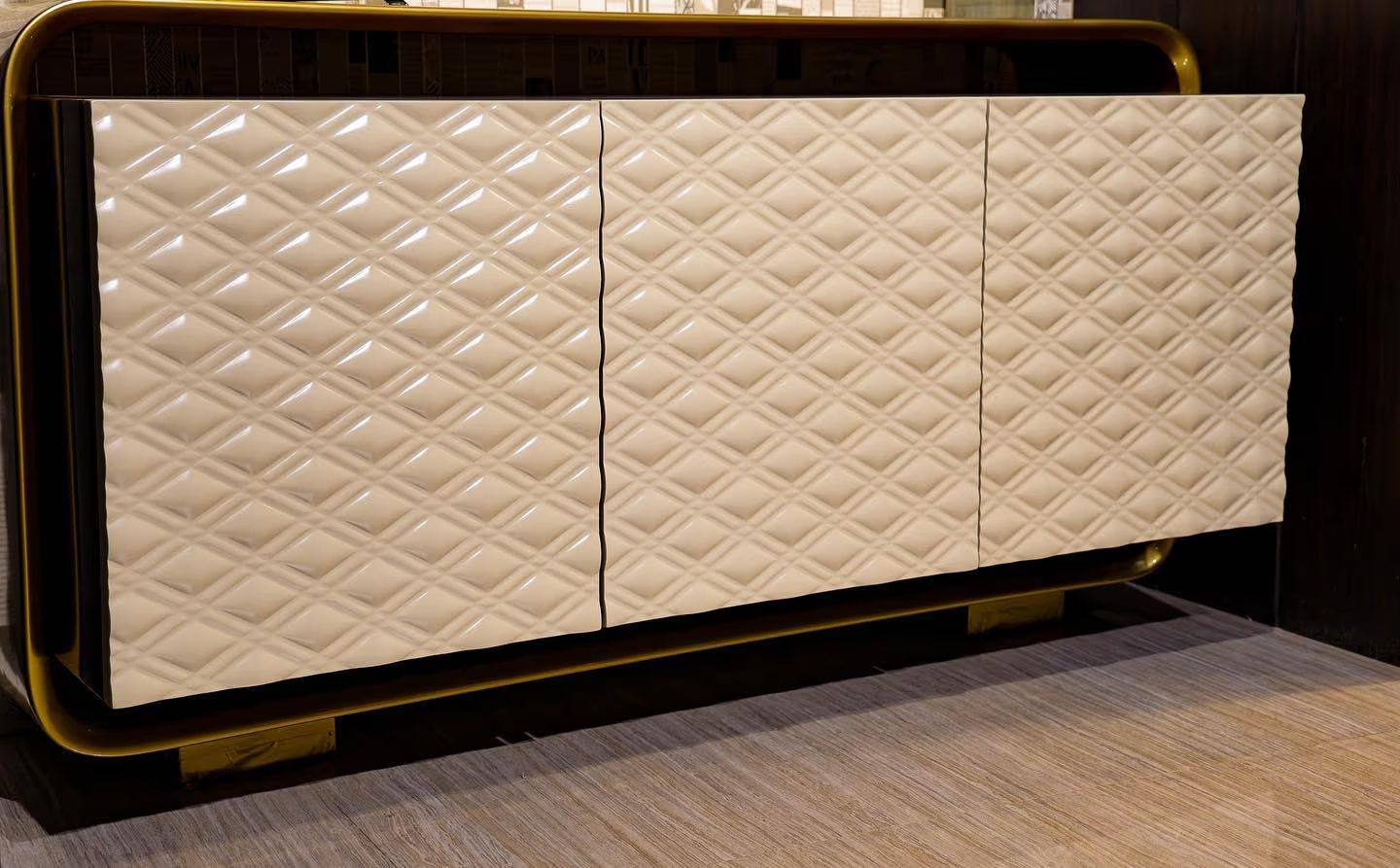
Good brass furniture care starts with one choice: bright shine or soft patina. Both are correct. For shine, dust often and polish now and then. For patina, just dust and let brass age on its own. Never use harsh acids or steel wool. Wipe spills fast, keep water away, and your brass and metal finishes stay lovely for life.
Brass is one of the warmest materials in a luxury home. It catches the light like soft gold. It frames a table, edges a cabinet, or holds up a stone top. But brass is a living metal. It breathes with the air around it, and slowly its colour changes. This is not a fault. It is the whole beauty of brass. The only question is how you want it to look: bright and shiny, or soft and aged. This guide walks you through brass furniture care in plain steps, so you can pick your look and keep it.
Shine or patina: your choice comes first
Before you clean anything, make one calm decision. Do you want your brass to stay bright gold, or do you want it to age into a deeper, richer tone? That deeper tone is called brass patina. It is the soft, even film that grows on raw brass as it meets air over months and years. Some people love the mirror shine of new brass. Others love the settled, antique glow of patina. There is no wrong answer. Your care routine simply follows the look you pick.
This idea of choosing a finish is part of how we think about every material. We build each piece around your taste and your room, the same way we explain in What Is Made-to-Space Furniture?. Brass is no different. Once you know your look, the rest is easy.
It also helps to picture where the brass will live. Brass in a busy dining room, touched by many hands each day, will darken faster than brass on a quiet foyer console. A piece near a sunny window will warm and shift more quickly than one in a shaded corner. None of this is a worry. It just means the patina choice suits some rooms more than others. If you love a mirror shine but your piece sits in a high-touch spot, you may polish a little more often. If you love patina, a busy room will get you there sooner. Either way, the metal is doing exactly what brass is meant to do.
| Your look | What you do | What you skip |
|---|---|---|
| Bright shine | Dust often, polish now and then | Letting grime and patina build up |
| Soft patina | Just dust, let it age on its own | Polish, acids, harsh rubbing |
| Not sure yet | Only dust and keep it clean | Anything you cannot undo |
With brass, you are not fixing a problem. You are choosing a look.
Lacquered or raw brass: know what you own
Here is the most important step in all of metal furniture care. Find out if your brass is lacquered or raw. These two need different care, and treating one like the other can spoil it.
- Lacquered brass has a thin, clear coat on top. This coat locks in the shine and keeps air out. It will not form a patina, and you should never polish it. Just dust it.
- Raw or unlacquered brass has no coat. It touches the air directly. This is the brass that ages into a patina, and this is the brass you can polish back to gold.
Not sure which one you have? Do a quiet test. Rub a hidden corner with a little brass polish on a soft cloth. If a dark or gold smudge lifts onto the cloth, your brass is raw. If nothing comes off and the surface just stays the same, it is lacquered. Once you know, you know forever. If you bought your piece from us, your care card already says which one it is.
How to clean brass gently, step by step
Most days, brass needs almost nothing. To clean brass well, you mostly need to keep it dry and dust-free. Here is the simple routine that works for lacquered and raw brass alike.
- Dust first. Wipe the piece with a soft, dry cloth. Microfibre is perfect. This lifts off dust and grit before it can scratch.
- Wipe gently if needed. For sticky marks or fingerprints, use a cloth barely damp with warm water and one drop of mild soap. Wipe softly, never scrub.
- Dry at once. Take a clean, dry cloth and dry every spot. Water is brass’s quiet enemy, so never let it sit.
- Stop there. For lacquered brass and for patina lovers, you are done. Do not polish. Just repeat this dusting every few days.
Notice what is not on the list. No vinegar. No lemon spray. No bleach. No glass cleaner. No steel wool or rough pads. These are the things that dull, scratch or streak a finish, and once the harm is done it is hard to undo. When in doubt, a soft dry cloth is always safe.
One more small habit protects brass more than any cleaner: handle it with clean, dry hands. The natural oils and salt on our skin are mild, but over time they leave marks on bright brass, which is why door handles and drawer pulls patina first. You do not need gloves. Just wipe fingerprints off with a dry cloth when you notice them, and your bright spots stay even. If a piece is going into storage or is not used for a while, a light dusting once a month keeps grime from settling into the surface.
How to polish raw brass back to shine
Say your brass is raw, it has aged, and you miss the bright gold. Good news: you can bring it back. This only works on raw, unlacquered brass, never on lacquered brass. You have two easy paths.
The kitchen way
Mix a little lemon juice with baking soda into a soft paste. Rub it on the brass with a cloth, in small circles. You will see the gold return. Then rinse the spot with a damp cloth and, most important, dry it fully right away. Lemon is a mild acid, so this is a one-time clean, not a daily habit. Use it gently and rarely.
The proper way
Buy a good brass polish or metal cream from any hardware shop. Put a small amount on a soft cloth, rub in the direction of the metal’s lines, then buff with a clean cloth until it shines. This is safer and more even than the kitchen mix. After polishing, some people add a thin coat of clear wax to slow the patina from coming back. That step is optional and up to you.
Whichever path you use, go slowly and work in small sections. Test a hidden corner first so you can see how much shine returns before you do the whole piece. Never mix polish with water on raw brass, and always dry the metal fully at the end, because leftover moisture is what brings spots back fastest. Two or three light passes a year is plenty for most homes. If your brass has fine engraving or a textured surface, use an old soft toothbrush to lift polish out of the grooves, then buff. Done with a gentle hand, polishing takes minutes and the gold comes right back.
Want brass detailing shaped to your exact table, cabinet or bar? Send us your space and we will design the metalwork around your room.
Send us your space →Caring for other metal finishes
Brass is not the only metal in a luxury home. You may have stainless steel legs, a bronze base, or a dark, blackened frame. The calm rules of metal furniture care carry over to all of them. Dust often, wipe spills fast, keep water off, and never reach for steel wool or strong acids.
A few metals like to keep the finish they came with. Blackened and bronze pieces are aged on purpose, so polishing them would strip the very colour you paid for. Leave them alone and just dust. Stainless steel is the hardiest of the group, but it shows swirl marks if you scrub in circles, so always wipe along its lines. Chrome and nickel love a soft damp cloth followed by a quick dry. When you are not sure what a finish wants, do less, not more. Dry dusting never harms any metal.
| Metal finish | How to care | One thing to avoid |
|---|---|---|
| Brass (raw) | Dust; polish only if you want shine | Vinegar and steel wool |
| Brass (lacquered) | Dust only; never polish | Scratching the clear coat |
| Stainless steel | Wipe along the grain with a soft damp cloth | Circular scrubbing that leaves swirls |
| Bronze / blackened | Dust only; keep the dark finish | Polish that strips the colour |
| Chrome / nickel | Soft damp cloth, then dry fully | Abrasive powders |
The same gentle mindset runs through all our care guides. If you also have stone or wood in the mix, our notes on marble furniture care and burl wood and veneer care follow the same idea: know your material, be gentle, and act fast on spills. To see how we combine metal with stone, wood and fabric in one piece, read how we mix precious stone, wood, metal and velvet.
Common brass care mistakes to avoid
Most brass damage does not come from age. It comes from the wrong cleaning habit. Here are the slips we see most, so you can skip them.
- Polishing lacquered brass. The polish rubs against the clear coat and leaves cloudy marks. Lacquered brass only needs dusting.
- Using vinegar or lemon too often. These acids do clean, but used a lot they thin the metal’s glow. Save them for a rare deep clean on raw brass only.
- Leaving water or drinks to sit. Water spots and rings form fast on brass. Wipe and dry at once, and use coasters, just as you would in good marble furniture care.
- Reaching for steel wool. It scratches every metal finish. Always use a soft cloth.
- Fighting the patina you actually like. If the aged look suits your room, stop polishing and simply enjoy it.
Brass and humid weather
Across India and worldwide, damp air is the biggest test for metal. Moisture speeds up patina and, on some metals, can start rust or dark spots. If you live near the sea or through a heavy monsoon, dust a little more often and keep the room aired. A thin coat of wax on raw brass adds a light shield. For a fuller plan on damp climates, see protecting luxury furniture in humid weather.
How Designatore builds and backs its metalwork
Every brass and metal piece we make is crafted in India and finished by hand in our own atelier. Before it reaches you, we decide with you whether it should stay bright, wear a warm patina, or wear a sealed lacquer coat. That choice shapes the whole build, not just the last step. You can read more about this in inside our atelier and how we choose materials for each client.
Your piece arrives with a plain-language care card that names your exact finish and the one routine it needs. If a finish ever dulls, scratches, or you simply want to switch from patina to shine, our team can refinish or re-lacquer it. This is the point of made-to-space furniture: it is built to age with your home, not to be thrown away. To start your own piece, tell us about your room on our customization page, or browse the collections to see brass in real settings.
Brass rewards a light hand. Dust it, keep it dry, and let it be the warm, golden thread that ties your room together, exactly the way you chose.