
Agate table care is simple: dust with a soft dry cloth, wipe spills at once, use coasters under drinks, and clean only with pH-neutral soap and water. Never use vinegar, lemon, or harsh sprays on semi precious stone. Do this and your agate and stone tables stay glowing for a lifetime.
An agate or stone table is a piece of the earth in your home. It grew slowly, over more years than anyone can count, and no two slices are ever the same. That is what makes it special. The good news is that caring for it is not hard. You do not need costly sprays or long routines. You need a few gentle habits, done often. This guide walks you through every one, in plain steps you can start today.
At Designatore, we build made-to-space furniture with real precious stone, wood, metal and velvet. We make these tables in India and send them to homes across India and worldwide. So we know how they behave in warm rooms, humid air and busy family life. Below is the same care advice we give every client on delivery day.
What agate and stone tables are made of
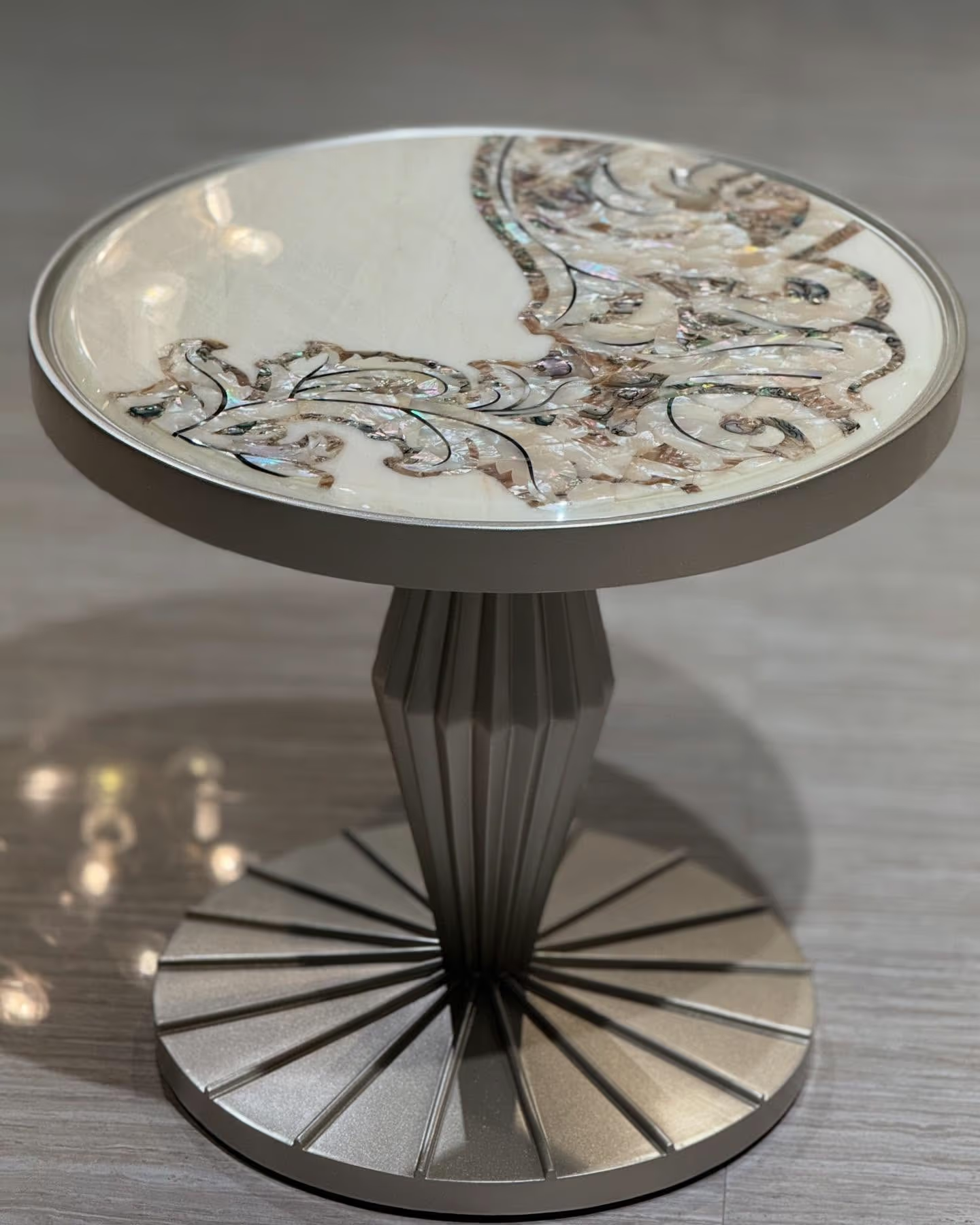
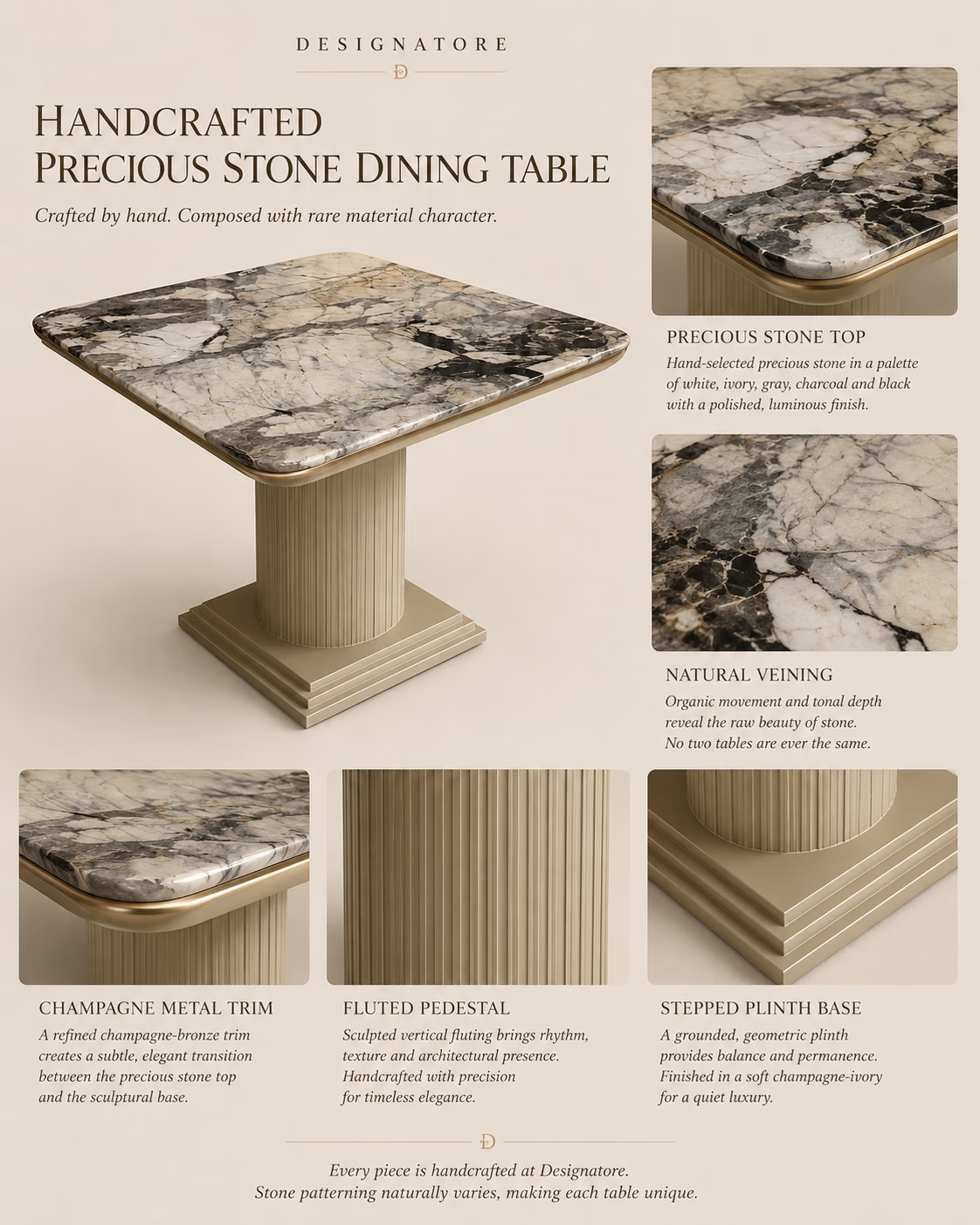
Before you care for a thing, it helps to know what it is. Agate is a semi precious stone, a natural kind of quartz. It forms in layers inside rock, which is why you see those beautiful bands and rings. Each slice is cut thin, polished, and often lit from behind so the colour glows. You can read the full story in our guide to agate and petrified wood furniture.
Other stone tops behave in similar ways. Marble, onyx, quartzite and petrified wood are all natural stone, and all like the same gentle care. What they share is this: they are hard but not indestructible. The polished top has a fine surface and a thin seal. Acids and rough scrubbing can dull that surface. So the rules below work for your marble furniture and your petrified wood tables too.
| Stone | Hardness | Main risk | Care level |
|---|---|---|---|
| Agate | Hard | Acids, sharp knocks on edges | Easy |
| Marble | Softer | Acids, stains, scratches | Medium |
| Onyx | Softer | Acids, chips, heat | Medium |
| Petrified wood | Very hard | Chipped edges | Easy |
Daily agate table care in one minute
Most care is not deep cleaning. It is small, quick habits. The best thing you can do each day takes about one minute. Keep a soft, dry microfibre cloth near the table. Wipe the top to lift dust. That is it. Dust may look harmless, but tiny grit acts like sandpaper when you drag it around, and over years it can dull a polished stone.
- Take a clean, dry microfibre cloth.
- Wipe the whole top in soft, straight passes.
- Lift crumbs off, do not push them across the surface.
- Check for any spill or ring and deal with it now, not later.
Do this and you may never need a heavy clean at all. The stone stays clear, the glow stays bright, and the surface never gets that hazy film that builds up when dust and grease mix. A soft cloth is also safer than paper towels, which can be rough and can leave tiny scratches over time. Keep one folded cloth just for the table, and wash it now and then so no old grit hides in the fibres.
Care for stone is not hard work. It is small habits, done often.
How to clean agate the safe way
When the table needs more than a dust, keep it gentle. To clean agate safely, all you need is warm water and a drop of pH-neutral soap. That means a mild soap that is not acidic and not harsh, like a plain dish soap made for delicate things, or a stone-safe cleaner. Skip anything that smells sharp or promises to cut grease fast. Those are usually too strong.
- Mix a few drops of pH-neutral soap into warm water.
- Dip a soft cloth, then wring it so it is damp, not wet.
- Wipe the top gently, all over.
- Rinse the cloth in clean water and wipe again to lift the soap.
- Dry the whole surface right away with a fresh, dry cloth.
That last step matters more than people think. Standing water can leave a mark on stone, and it can slowly wear the seal. Always finish by drying the top. It takes ten seconds and saves you trouble later.
What never to use on semi precious stone
Good semi precious stone care is as much about what you avoid as what you do. Some everyday things in your kitchen are the enemy of polished stone. They are acids, and they eat into the surface and leave a dull patch called an etch. Once stone is etched, a simple wipe will not fix it. So keep these away from the table:
- Vinegar and any cleaner with vinegar in it.
- Lemon, lime and orange juice, or any citrus.
- Bleach and strong bathroom or kitchen sprays.
- Scouring powder and rough scrub pads.
- Glass cleaner with ammonia.
- Very hot pans and cups placed straight on the top.
If you are ever unsure about a product, do not gamble on a whole table. It is the same rule we follow for marble care and for burl wood and veneer: when in doubt, plain water and a soft cloth is always safe.
Not sure what your table top is made of? Send us your space and we will tell you exactly how to care for it.
Send us your space →Guard against heat, spills and knocks
Prevention beats cleaning every time. Three simple guards will save your table from most harm. First, heat. Stone feels cool, so people assume it can take a hot pan. It cannot. A sudden change in heat can crack stone or damage the seal. Use a trivet under hot dishes and a coaster under every cup.
Second, spills. Wine, coffee, oil and juice can stain or etch if they sit. You do not need to panic, you just need to be quick. Blot the spill with a soft cloth, do not rub it wide, then clean the spot with mild soapy water and dry it. Oily foods and dark drinks are the ones to watch most, since they carry both colour and grease. Third, knocks. Agate edges are the weak point. A hard bump from a heavy dish or a moved chair can chip an edge, so set things down softly and keep sharp corners of other furniture away from the table.
| Problem | Do this now | Do not do this |
|---|---|---|
| Fresh spill | Blot, then clean with soapy water, then dry | Leave it to dry on its own |
| Hot dish | Place on a trivet | Set it straight on the stone |
| Water ring | Wipe and dry at once | Wipe with vinegar |
| Dust | Soft dry cloth | Drag grit across the top |
Sealing and long-term stone table care
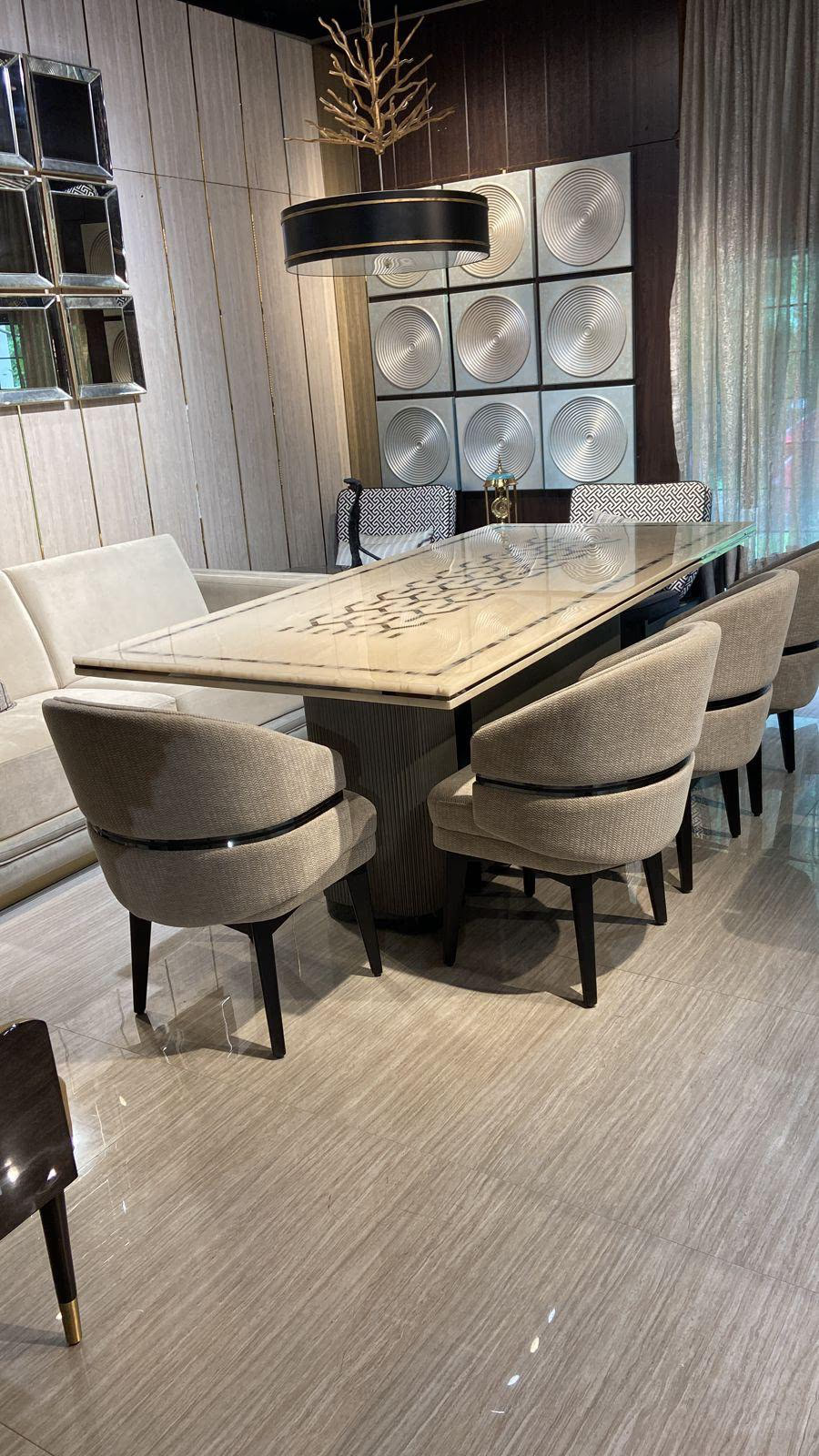
A seal is a thin, clear guard that sits on top of the stone. It helps water bead up instead of soaking in, so you get more time to wipe a spill. Your table arrives from our atelier already sealed, so you do nothing on day one. Over the years, use slowly wears the seal down, and that is normal.
There is an easy test to know when to re-seal. Drop a little water on the top and wait a minute. If it beads up, the seal is fine. If it soaks in and the stone goes dark for a while, it is time for a fresh seal. For most homes this is once every one to three years. A sunny room or a busy dining table may need it a bit sooner. You can do it yourself with a stone-safe sealer, or ask us and we will guide you. Sealing is quick work: clean the top, let it dry fully, wipe the sealer on in thin, even strokes, then buff off the extra. A fresh seal brings back the deep, wet-looking shine that made you fall for the stone in the first place.
One more long-term tip: strong direct sun, day after day, can slowly fade some stones and dry out the seal. If your table sits in a bright window, a sheer curtain or a small change in layout keeps the colour rich for longer. The same warm, humid air that troubles wood is kinder to stone, but the seal still does better out of harsh sun. If you live in a hot, damp place, our guide on furniture in humid weather has more.
Look after the seal, and the stone looks after itself.
Common agate care mistakes to avoid
Most damage to stone does not come from bad luck. It comes from small, everyday mistakes that are easy to fix once you know them. We see the same few again and again, so here they are in one place. Read them once and you will save your table a lot of wear.
- Using a multi-purpose spray because it was handy. Many hide acids or ammonia that dull the polish.
- Leaving a wet glass or a damp cloth to sit on the top overnight.
- Rubbing a stain hard, which only spreads it wider and can scratch the seal.
- Placing a laptop or a warm dish straight on the stone with nothing under it.
- Waiting a week to wipe a wine or oil spill, then wondering why a mark stayed.
- Trying a home trick like baking soda or lemon on a stubborn spot.
None of these is a disaster on its own. The harm builds up slowly. Swap them for the gentle habits in this guide and your table simply keeps looking new. If you like to plan ahead, our notes on custom furniture mistakes to avoid cover the same idea for the whole home.
Why real agate is worth the care
Real agate is not cheap, and there is a reason. It is a natural stone, cut and matched by hand, and no factory can copy the way it grows. That is also why fakes exist. If you are buying, learn to tell real from dyed agate before you pay. A genuine piece rewards a little care with a lifetime of glow, and it holds its value in a way that flat, printed tops never will.
Think of it the way you would think of fine jewellery. You would not scrub a gemstone with bleach. You wipe it, you keep it safe, and it lasts for generations. A luxury piece is a long-term investment, and these small habits are what protect that value. Cared for well, an agate table becomes the kind of thing you hand down, not throw out.
Every Designatore stone table is made-to-space, cut and finished for one room and one client. When you buy from us, you also get the care plan for your exact piece, and a team you can call. If a mark ever worries you, do not experiment. Reach out first, and we will tell you the safe fix. Ready to design a stone table for your own home? Send us your space and we will build around it.
See how we cut, match and finish real precious stone for every client.
Explore our collections →Your simple agate care routine
To pull it all together, here is the whole routine in a few lines. Keep it near the table and you will never have to think twice.
- Every day: dust with a soft, dry cloth. Wipe spills at once.
- Every week: a light clean with a damp cloth if needed, then dry.
- Every month: a fuller clean with pH-neutral soap and warm water.
- Every year: do the water-bead test to check the seal.
- Every one to three years: re-seal, or ask us to.
- Always: coasters, trivets, and no acids. Ever.
That is agate table care in full. It is gentle, it is quick, and it keeps a rare piece of the earth glowing in your home for a lifetime.