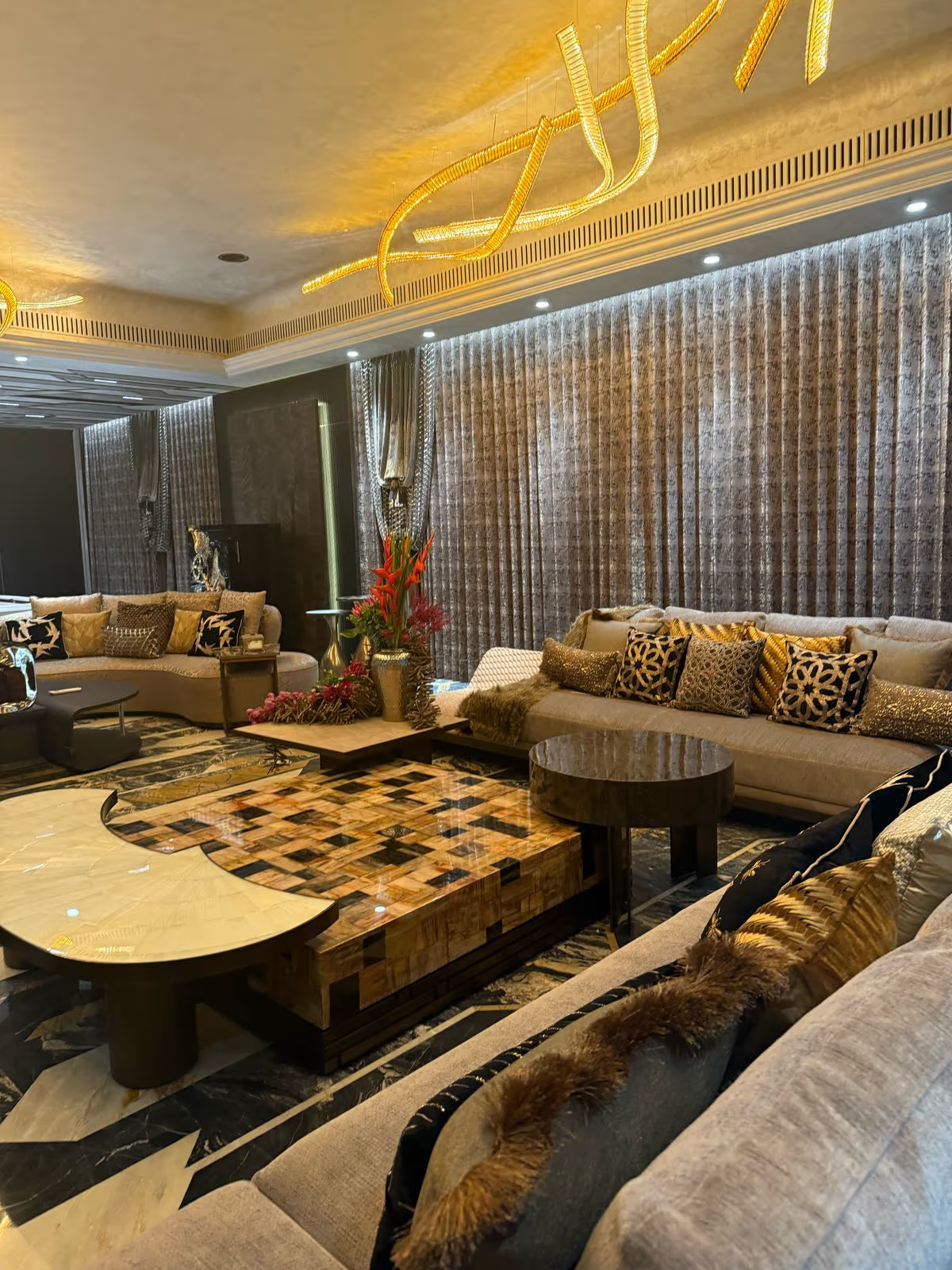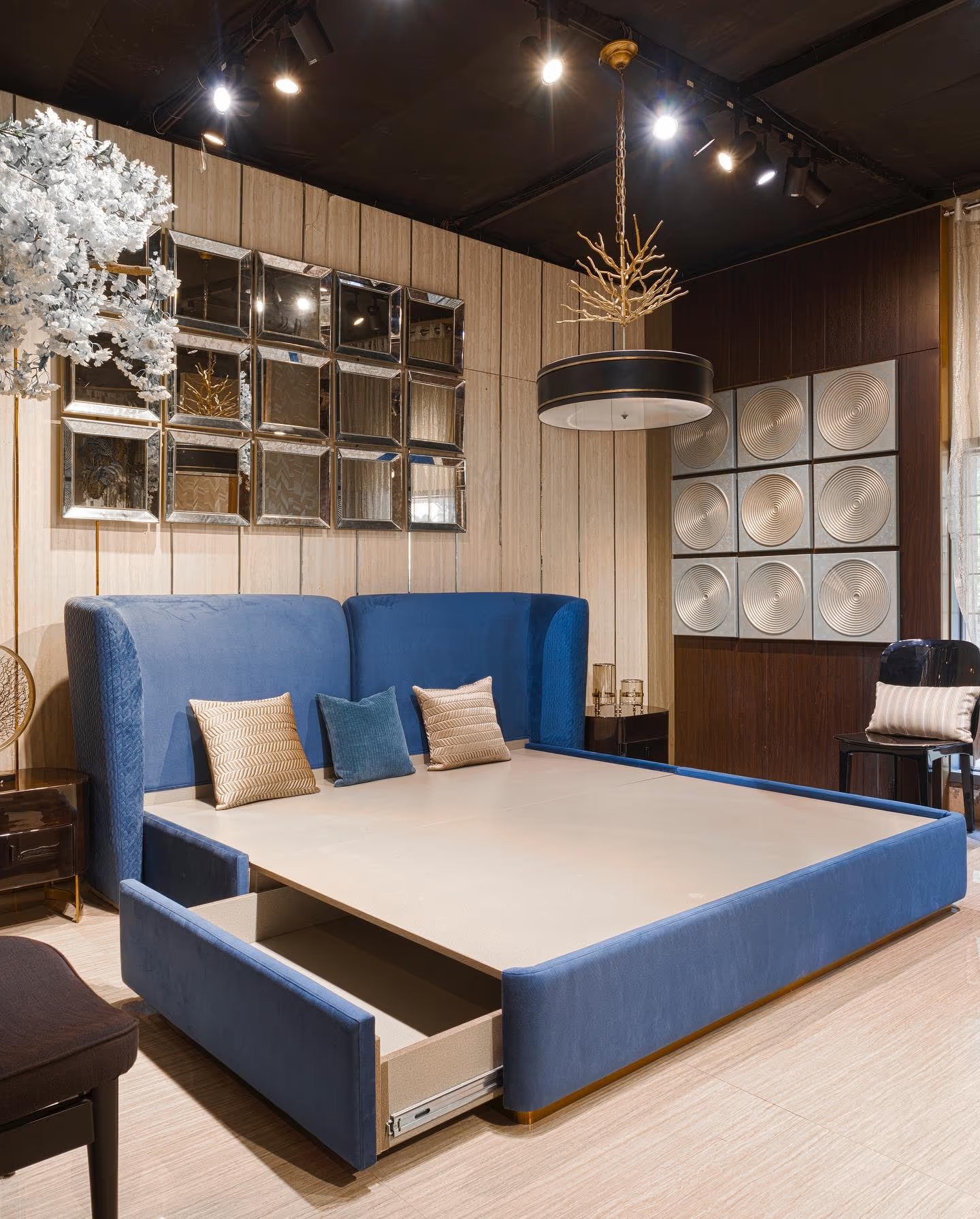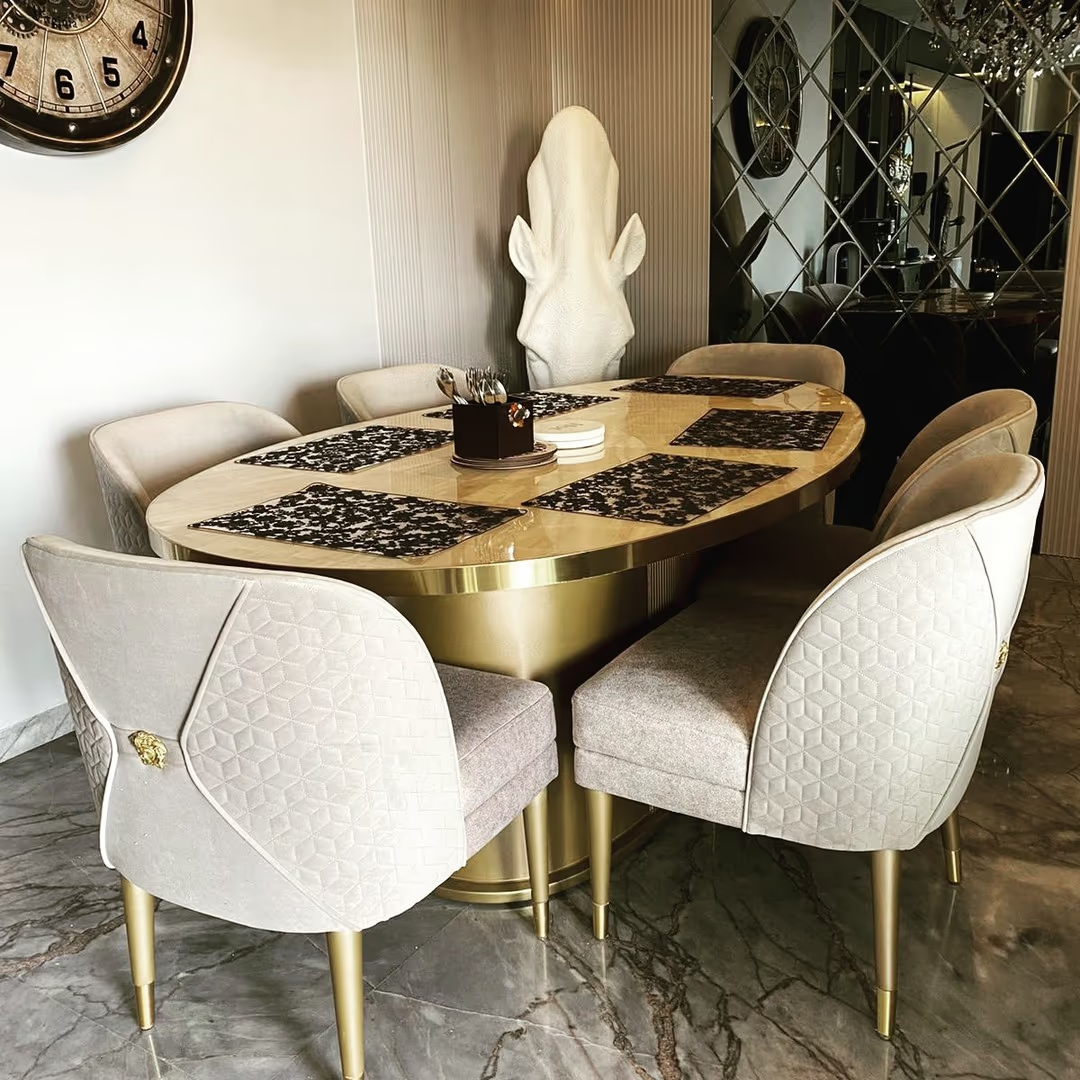

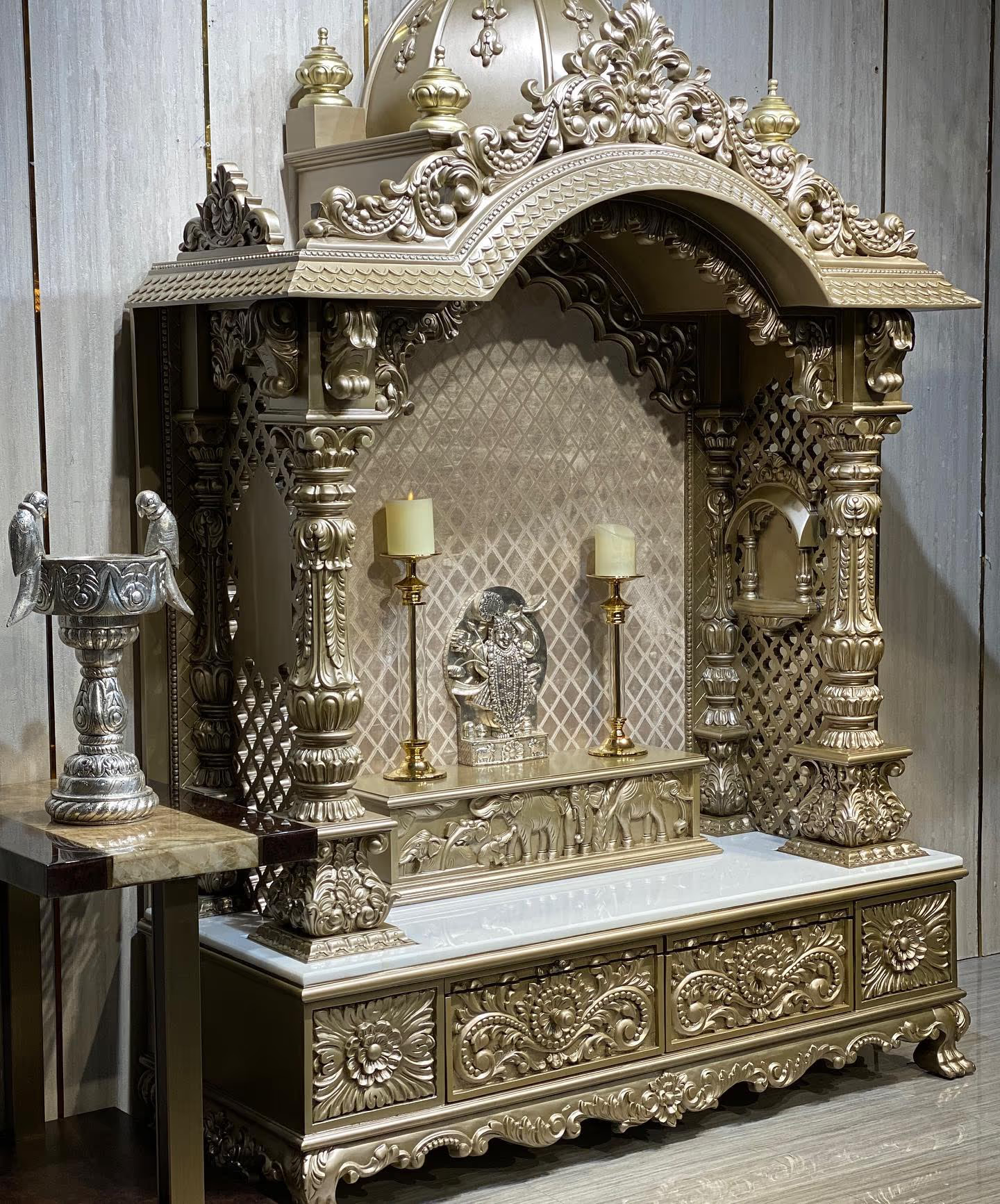
Luxury pooja room design begins with a mandir unit built to fit your wall, your wood and your home, not a fixed store size. A custom mandir sits calm and clean in a niche, a corner or a full room, with soft light, quiet storage and a place for every ritual. These pooja room ideas show you how.
The pooja room is the heart of an Indian home. It is where the day begins, where the family gathers for a prayer, and where you go when you need a quiet moment. So it is the one space that should feel truly yours. The problem is that most mandir units come in fixed sizes, made for a shelf, not for your home. They rarely fit the wall, the corner or the light you actually have.
This is where a made-to-space furniture approach changes everything. Instead of forcing a ready-made box into your room, we draw the mandir to your exact wall, in the wood and finish that match your home. The result is a mandir unit that looks like it was always meant to be there, calm and holy, whether you live in a city flat or a large villa. Below are the ideas we use to design pooja rooms that feel peaceful, rich and personal.
What makes a luxury pooja room design feel right
Walk into a well-made pooja room and the first thing you feel is calm. Nothing is crowded. The light is soft and warm. Your eye rests on the mandir, and the rest of the space falls quiet around it. That calm is not luck. It comes from a few simple rules that anyone can follow, and they are the same rules behind any quiet luxury interior design.
The first rule is fit. The mandir must sit in its space cleanly, with no awkward gap on one side and no squeeze on the other. The second rule is light. A warm, gentle glow makes wood, brass and marble look their best, and it makes the space feel holy. The third rule is order. Everything a ritual needs has a home, so the surface stays clear and the mind stays calm. Get these three right and even a small mandir feels rich and complete.
A mandir should feel built for your home, not bought for a shelf.
The most common reason a pooja space feels off is a unit that does not fit the wall. A mandir that is too wide blocks a door swing. One that is too small floats in a big niche and looks lost. This is exactly why standard furniture fails in luxury homes: it is built to a fixed size, not to your walls. Fixing the fit does more for a pooja room than any amount of decoration.
Pooja room mandir design for every kind of home
You do not need a spare room to have a beautiful mandir. Good pooja room mandir design is about using the space you have, well. Over the years we have built mandirs into almost every kind of home, from a one-bedroom flat to a sprawling farmhouse. Here are the main forms a custom mandir can take.
- A wall-mounted mandir, floating on the wall to save floor space, ideal for a flat or a passage.
- A niche or alcove mandir, built into a recess so it sits flush and clean, like part of the wall.
- A corner mandir, shaped to fit the north-east corner, a classic and space-smart choice.
- A cabinet mandir with doors, that closes into a tall unit when you want it out of sight.
- A full pooja room, a small dedicated room with a grand mandir, seating and soft light.
- A part-of-a-room mandir, a fine unit set within the living or dining space, screened for privacy.
The right form depends on your home, your family and how you pray. A large family that gathers daily may want a full room with space to sit. A young couple in a city flat may love a slim wall unit that folds away. Because each mandir is drawn to your space, we can shape it around a tricky corner, a low beam or an odd wall, the same way we handle any furniture for odd-shaped rooms.
The best wood and materials for a mandir unit
Real materials are the quiet backbone of a luxury mandir. Your eye can tell the difference between solid wood and a printed copy, even when your mind cannot say why. Warm, natural materials have depth and small changes in grain that make a space feel true and calm. Here is how the main choices compare and where each one shines.
| Material | Feels like | Best used for |
|---|---|---|
| Teak & solid hardwood | Warm, grainy, ages beautifully | The main mandir body and carved detail |
| Walnut & burl wood | Rich, deep, full of pattern | A feature panel or the back of the shrine |
| Marble & natural stone | Cool, smooth, easy to clean | The base where the lamp and diya sit |
| Brass & metal | Bright, holy, jewel-like | Bells, trim, pillars and fine lamp holders |
| Good veneer over ply | Stable, calm, budget-kind | Large flat panels in humid climates |
For most homes, a warm solid wood like teak or walnut is the heart of the mandir, because it carries carving well and ages like a friend. In humid parts of India, we often use a stable seasoned hardwood or a fine veneer over ply for the big flat panels, so nothing warps in the wet months. We always match the wood to your climate, which is the whole point of choosing the best wood for India’s climate. A slab of marble or brass detail then lifts the piece from lovely to special.
The magic really happens when a few materials meet in one piece: a teak frame, a marble base for the lamp, and slim brass pillars catching the light. That careful mix of wood, stone and metal is a signature of a designed mandir, and it is something we plan on purpose, as you can read in how we mix precious stone, wood, metal and velvet in one piece.
Prayer room design: light, storage and daily use
Good prayer room design is not only about how the mandir looks. It is about how it works every single day. A mandir is used, not just admired. So the details that make daily rituals easy matter as much as the carving on the front. Three things do most of the work here: light, storage and a safe surface.
Warm, layered light
Light is the single biggest upgrade you can make. Skip the one harsh white bulb. Instead, hide a soft warm strip above or behind the idols so the shrine glows gently. Add a small spot to light the main deity, and keep the whole space in warm tones, never cold blue. Warm, layered light makes wood, brass and marble look their best and instantly makes the space feel holy.
Quiet, hidden storage
A calm mandir has a home for everything. We build in slim drawers and closed cabinets below or beside the shrine, so oil, wicks, matches, books, bells and sweets are all within reach but out of sight. A pull-out shelf for the aarti thali, a drawer that closes soft, a hidden bin for used flowers, these small comforts keep the surface clear and the daily ritual smooth.
A safe, easy-clean surface
The spot where the diya and oil lamp sit takes heat, oil and spills every day. So we set a marble or stone base there, which shrugs off heat and wipes clean in a second. A metal-lined tray for the lamp adds one more layer of safety. These quiet choices protect the wood and let you light the lamp each morning without a worry.
Not sure how your mandir should fit your wall, your light and your rituals? Send us your space and we will send back a simple, honest plan.
Send us your space →Where to place the mandir in your home
Placement matters in a pooja room, both for the feeling and for the tradition. Many families follow simple guidance from vaastu, and even if you do not, the same rules tend to make a space feel calm and right. Here is the order we follow when we plan where the mandir goes.
- Choose the direction. Most families place the mandir so the person praying faces east or north-east, the direction many traditions call most holy.
- Pick the corner or wall. The north-east corner, often called the ishaan corner, is the classic and calmest choice.
- Keep it away from bathrooms and below stairs, and never right beside the main door, so the space stays private and pure.
- Give it a clear front. Leave enough room to stand or sit and pray without turning sideways.
- Set the height. The main idol usually sits a little below eye level, so you look gently down at the deity.
- Add light and storage last, once the mandir’s place and height are settled.
This is where a custom mandir quietly does its best work. A store unit comes in two or three fixed sizes, so you have to bend your placement around it. When the mandir is drawn to your room instead, it sits exactly in the right corner, at the right height, on the right wall. That whole idea of building furniture around your space is covered in how we design furniture around your room.
Small flat? A custom mandir still works
A beautiful pooja space is not about size. Some of the most moving mandirs we have built are small. The rules just get sharper. In a small flat, every centimetre counts, so the mandir has to be smart as well as lovely.
- Use a wall-mounted mandir to keep the floor clear and the room feeling open.
- Turn a slim niche, a passage end or the top of a cabinet into a neat, dedicated shrine.
- Choose a cabinet mandir with soft-close doors that shut it away when guests come.
- Keep the palette light and the lines clean, so the corner feels calm, not busy.
- Build in one slim drawer below for the daily items, so nothing sits out on show.
The real secret for a small home is made-to-space building. When the mandir is drawn to your exact wall or niche, not one centimetre is wasted. A unit that follows the recess, a cabinet sized to a narrow gap, a corner piece shaped to your walls, all of it gives you a full, holy space where you thought there was none. That is why a bespoke mandir so often makes a small home feel more complete, not more crowded, and it shows the difference between bespoke and ready-made furniture.
How much a custom mandir unit costs, and where to spend
Let us talk plainly about money. A custom mandir unit in India usually runs from about ₹1,50,000 ($1,800) for a fine wall or niche piece, up to ₹8,00,000 ($9,600) or more for a full pooja room with carved wood, marble, brass and hidden storage. Where you land depends on the size, how much is bespoke, and the materials you choose. For the bigger picture on any room, see our luxury interior design cost guide.
The smarter question is not how much, but where. Spend on the wood and the carving, because the mandir is looked at and touched every day, and on the light, because it changes the whole feeling for a small cost. Save on the parts that do less work, like a plain inner shelf. A solid-wood mandir stays firm and handsome for decades and often passes to the next generation, so its real cost per year is tiny. That is the honest maths behind whether bespoke furniture is worth the money.
The mandir is the one piece your family may keep for generations.
Make the pooja room part of your whole home
A mandir should not feel like a stranger dropped into your home. The finest pooja rooms feel connected to the rooms around them, sharing a wood tone, a metal finish or a stone with the living room, the dining room or the foyer. When the whole home reads as one calm look, the mandir feels like the heart of the house, not an add-on.
At the same time, the pooja space can be a touch more special, with softer light and finer carving, because it is the most personal room you own. A made-to-space mandir lets you tune that balance exactly, and it is one of the joys of learning how to furnish a whole home in one look. Even a quiet mandir in the corner of a master bedroom can share the tones of the bed and wardrobe, so nothing jars.
We are a made-in-India furniture and interior house, working across India and worldwide, led by founder Nidhi Patel. Every mandir we build is drawn around your walls, your light, and the way your family really prays, which is the heart of made-to-space furniture. If you would like to see finished pieces, explore our collections. And when you have a real corner or wall in mind, send us your space and we will send back honest sizes, ideas, and a calm plan to make your pooja room feel truly holy and truly yours.