
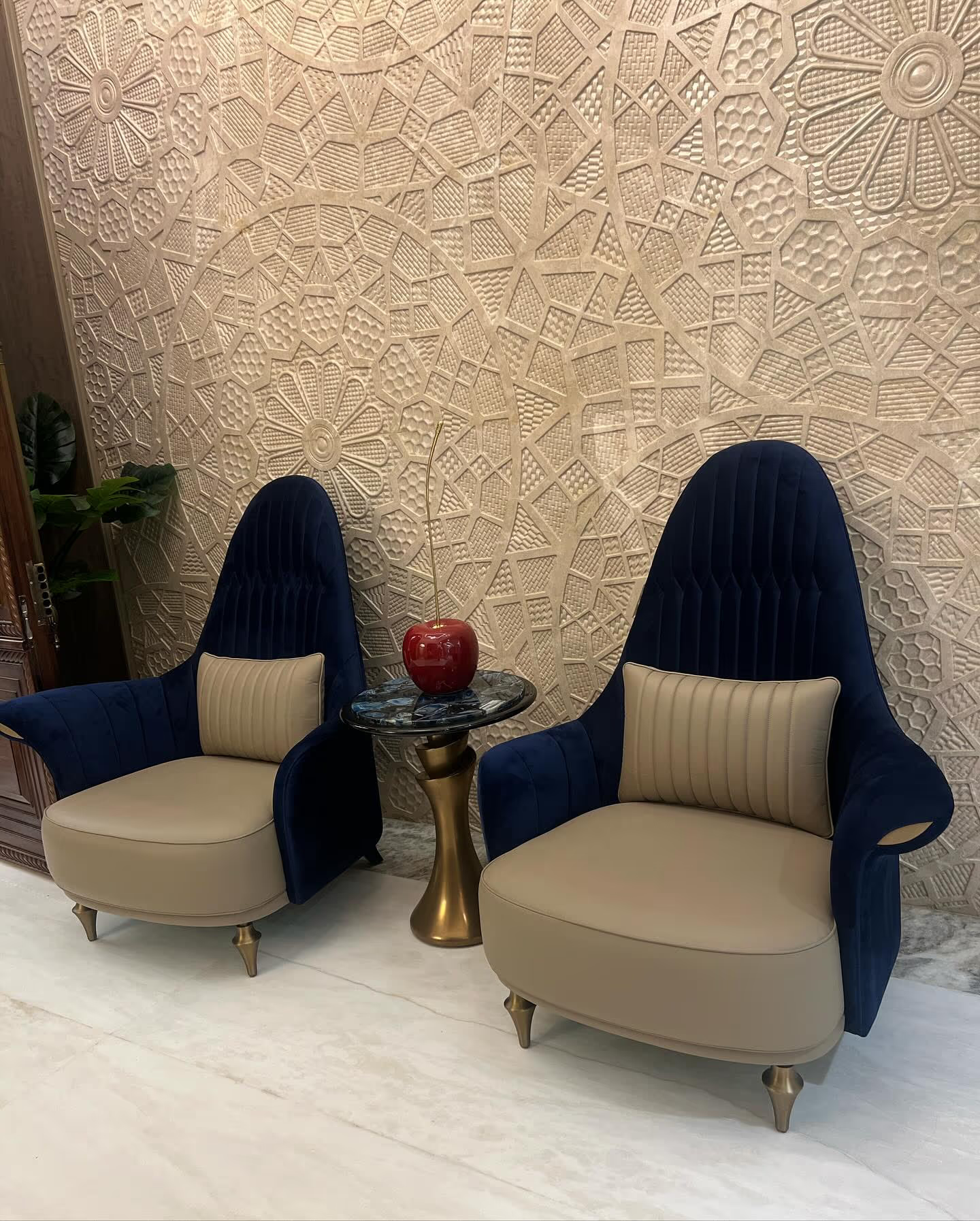
Luxury interior design styles are the main looks a fine home can take — modern luxury, contemporary glam, classic, quiet luxury, art deco, minimal and transitional. Each one has its own mood, colours and materials. This guide names the big styles in plain words, shows what each one feels like, and helps you find the one that fits your home.
Style is one of the first words a designer will use with you. But it is rarely explained in plain terms. You hear “modern”, “classic”, “glam” and “quiet luxury”, and you nod — yet no one shows you what each really looks like, or which one fits your home. So this guide does that. We name the big luxury interior design styles, describe how each one feels to walk into, and show you where our own look sits.
You do not need a design degree to follow this. Every style below is described in simple words, with the colours, materials and mood that make it. By the end you should be able to point at one and say, that is the home I want — or mix two and know why. That single clear choice makes every later decision, from sofa to light, far easier.
What luxury interior design styles really are
A style is simply a set of choices that go together — shapes, colours, materials and light. When those choices agree, a room feels like one clear idea. When they fight, even costly rooms feel busy and unsettled. So a style is not decoration on top; it is the plan underneath that keeps a whole home calm and joined.
Luxury styles share one thing across all of them: real materials and a right fit. Solid wood, natural stone, real metal and fine cloth, cut to your exact room. The style decides the mood — soft or bold, plain or grand — but the quality underneath stays high in every case. That is why the same house can feel modern or classic and still feel rich either way.
Most fine homes do not pick one pure style and stop. They lean on one main look and borrow a little from a second. That is normal and, done well, it is the mark of a home that feels personal rather than copied from a catalogue. Keep that in mind as you read: you are choosing a lead, not a cage.
A style is not decoration on top. It is the calm plan underneath the whole home.
Modern luxury interior design
Modern luxury is clean, open and calm. Think straight lines, low sofas, wide floors and just a few strong materials used well. The colours are quiet — cream, grey, stone, warm brown — with one or two deeper tones for weight. Nothing shouts. The luxury is in the space itself, the fine wood, the honest stone and the perfect fit, not in heavy carving or gold.
This is the most popular luxury look today, and for good reason. It suits new apartments and villas, it photographs beautifully, and it ages slowly because it never chased a trend. If you like rooms that feel light, tidy and current, modern luxury is likely your home. It also works well in a smaller space, where clean lines keep the room feeling open.
Modern luxury depends on fit more than any other style, because there is nowhere to hide. A gap over a cabinet or a sofa that is slightly too small stands out at once in a plain room. This is where made-to-space furniture matters most — each piece drawn to the exact wall, so the clean look stays clean.
Contemporary glam: our signature style
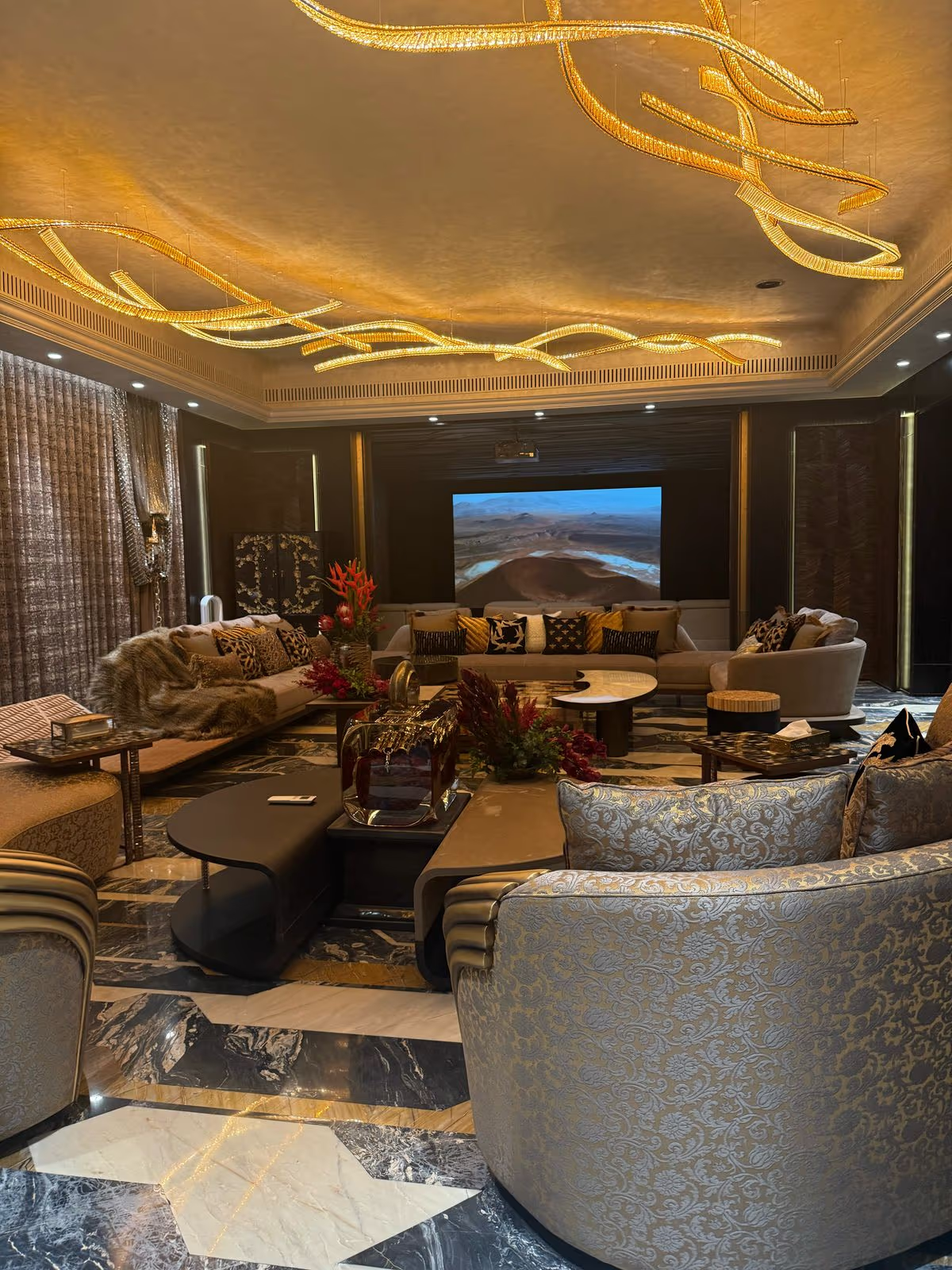
Contemporary glam is modern luxury with the volume turned up. It keeps the clean shapes but adds richness and shine — deep velvet, warm brass, polished marble, soft curves, mirror and low golden light. It feels dressed-up and confident, yet still calm, because the lines stay simple underneath. This is the style Designatore is known for, and the one our founder Nidhi Patel shaped the house around.
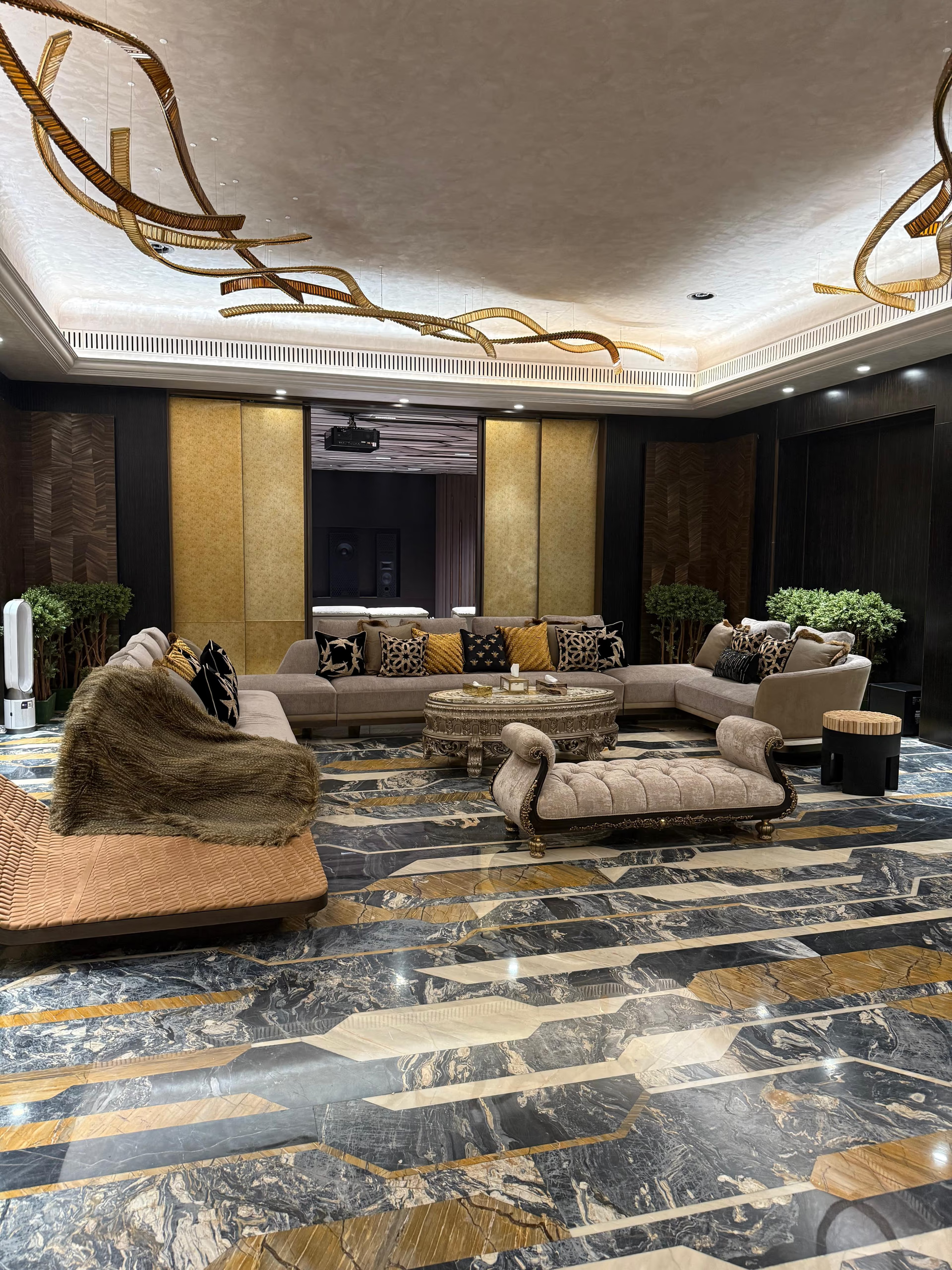
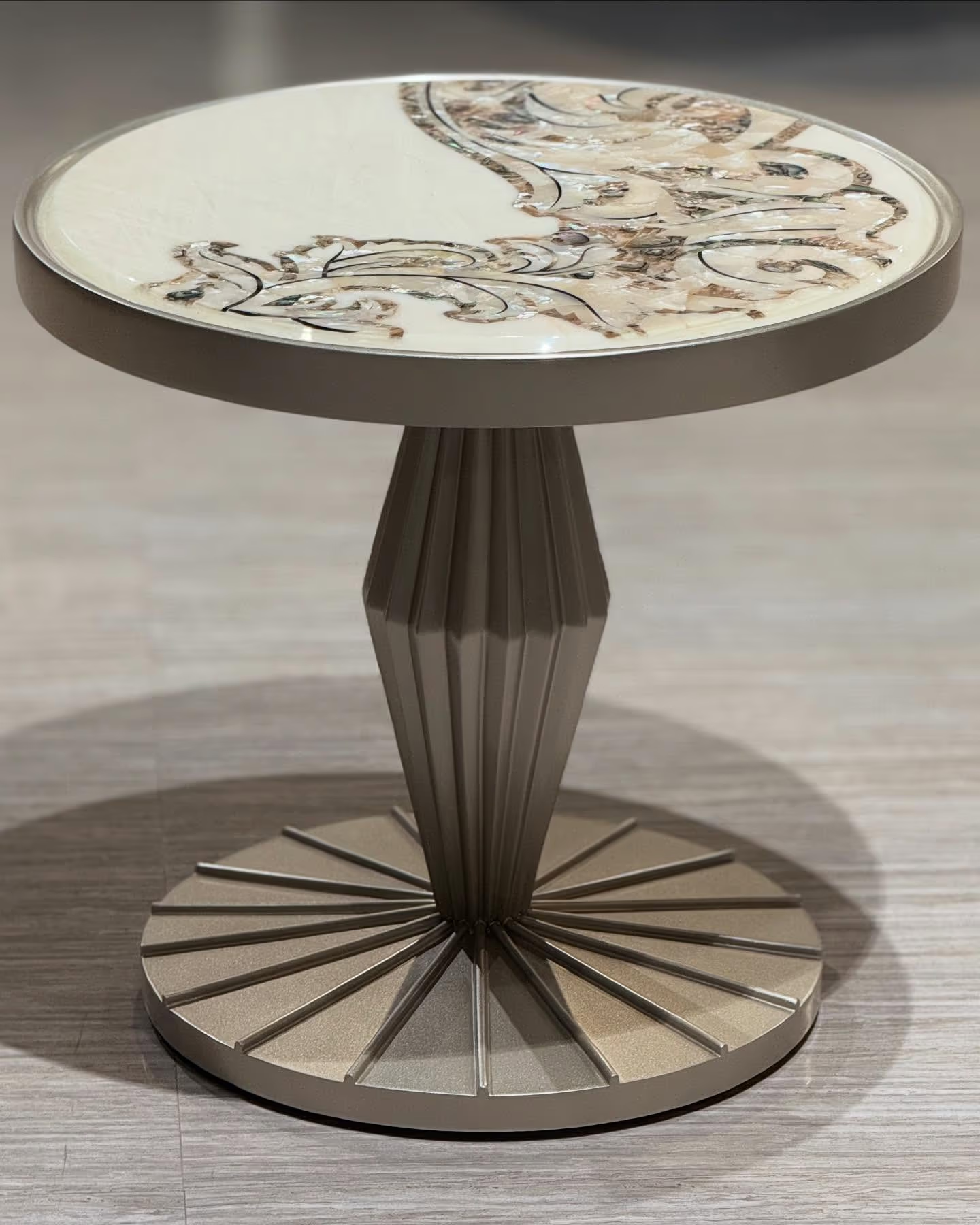
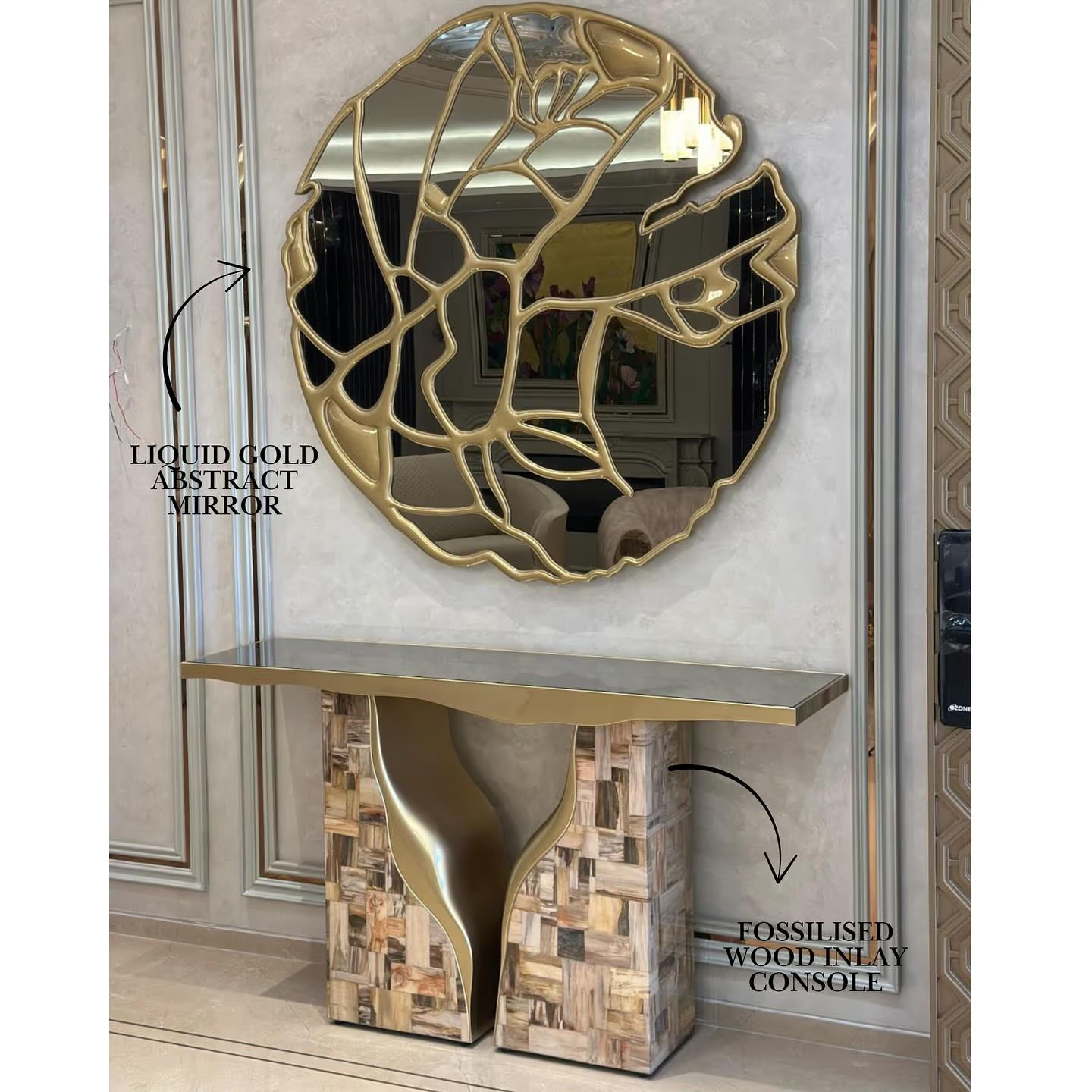
The trick with glam is control. Done badly it turns loud — too much gold, too much shine, a room that tires the eye. Done well it stays balanced: one rich material leads, the others support, and plenty of quiet space lets each shine. We build this balance into every room by mixing precious stone, wood, metal and velvet in one piece, so the richness feels made, not piled on.
Contemporary glam suits people who want their home to feel special the moment you step in, without slipping into old-world heaviness. It is grand and modern at once. If a plain modern room feels a little too bare to you, glam is likely the warmth you are missing — and it is the easiest of our styles to make truly your own.
Classic and traditional luxury
Classic luxury is the grand old look — rich wood, carved detail, tall panelled walls, chandeliers, deep colours and furniture with curves and craft. It feels timeless, formal and full of story. This is the style of old palaces and fine hotels, brought into a home. It rewards space and height, so it shines in large rooms with tall ceilings.
A pure classic home takes real skill to get right, because the detail is the whole point. Poor carving or thin materials show at once. When it is built with true solid wood, real stone and hand-work, though, a classic room has a depth that no other style matches. Many owners today soften it slightly toward a transitional look, which we cover below, to keep it grand but livable.
If you love heritage, craft and rooms that feel important, classic is your style. It asks for patience and a maker who can truly build detail by hand — the kind of work you can see inside our atelier, where each carved piece is made and finished by one team.
Quiet luxury and minimal luxury
Quiet luxury is the softest style of all. No shine, no logos, no show — just plain shapes, muted colours and superb materials that only reveal themselves up close. The richness hides in the feel of the wood, the weight of the stone and the perfect fit of every piece. It is luxury for people who already have nothing to prove.
Minimal luxury is a close cousin. It strips a room down to very few pieces, lots of open space and one or two beautiful materials. Where quiet luxury is about soft, humble richness, minimal luxury is about calm emptiness. Both feel serene, and both work well in smaller homes because they never crowd a room. We explain the mood in depth in what is quiet luxury interior design.
These styles are unforgiving on quality, because there is nothing to distract the eye. Every material and every joint must be right. That is their secret strength, too — when the making is honest, a plain quiet-luxury room feels deeply expensive without a single loud thing in it.
Art deco and transitional luxury
Art deco is the boldest historic style — strong shapes, bold curves and lines, rich stone, brass, black and gold, and a sense of drama from the 1920s and 30s. It is glamorous and graphic, full of pattern and shine. Used in full it makes a striking statement; used in touches, it adds a jewel-like edge to a modern or glam room.
Transitional luxury is the great middle ground, and quietly the most popular real-world choice. It mixes modern and classic: clean modern shapes with a few classic details, softer than pure modern but lighter than full classic. It suits almost any home and almost any taste, which is why so many families land here without ever naming it.
Transitional is really a way of mixing rather than a single look. It gives you room to take the calm of modern, one warm classic touch and a little glam shine, and hold them together in one home. The key is a single team and a single colour story, so the mix reads as one idea, not three.
Luxury interior design styles compared
Here are the main styles side by side, so you can weigh the mood, colours and materials of each against your own home and taste.
| Style | The mood | Colours and materials |
|---|---|---|
| Modern luxury | Clean, open, calm and current. | Neutrals, straight lines, fine wood and stone, little shine. |
| Contemporary glam | Rich, warm and confident, yet calm. | Velvet, brass, marble, mirror, curves and warm gold light. |
| Classic | Grand, formal and full of story. | Dark wood, carving, panelling, chandeliers, deep colours. |
| Quiet luxury | Soft, humble and serene. | Muted tones, plain shapes, superb materials, no shine. |
| Minimal luxury | Calm, empty and precise. | Few pieces, open space, one or two hero materials. |
| Art deco | Bold, dramatic and graphic. | Black, gold, brass, bold curves, rich stone, strong pattern. |
| Transitional | Balanced, warm and livable. | Modern shapes with a few classic and glam touches. |
No style in this table is better than the rest. The best one is simply the one that fits how you want your home to feel each day. Read across the rows and notice which mood you keep returning to — that is your lead style.
How to choose your luxury interior design style
Choosing a style is easier than it sounds. You do not need to know design words. You just need to know how you want to feel when you walk in. Work through these steps and a clear answer usually appears.
- Look at what you already love. Save five rooms you find beautiful — from anywhere. When you line them up, one mood almost always repeats. That is your lead style.
- Feel, then name. Ask how you want the home to feel: calm and plain, or rich and warm; light and open, or grand and full. The feeling points to the style, not the other way round.
- Match the style to the space. Big, tall rooms carry classic and glam well. Smaller homes shine in modern, minimal and quiet luxury. Let the home have a say.
- Pick one lead and one support. Choose a main style, then one you may borrow from. This is how real homes are styled — one voice leading, one quietly backing it.
- Hold one colour story across every room. The same few tones, wood and metal, room after room, are what make a home feel like one home. This matters more than the style name itself.
When you carry a single look through the whole house, the home feels calm and joined instead of like a set of separate rooms. We walk through this in how to furnish a whole home in one look. And if you are still weighing designers, the right one will make this choice feel simple — see how to choose a luxury interior designer and the questions to ask before you hire.
Not sure which style fits your home? Show us your rooms and how you want them to feel, and we will shape one clear look for the whole house.
Send us your space →Why the material matters more than the style name
Here is the part few people say out loud. The style name is only half the story. Two homes can both be “contemporary glam” and feel worlds apart — one rich and calm, one loud and cheap. The difference is not the style. It is the material and the fit. Real stone against dyed plastic. Solid wood against printed board. A piece cut to the wall against one that leaves a gap.
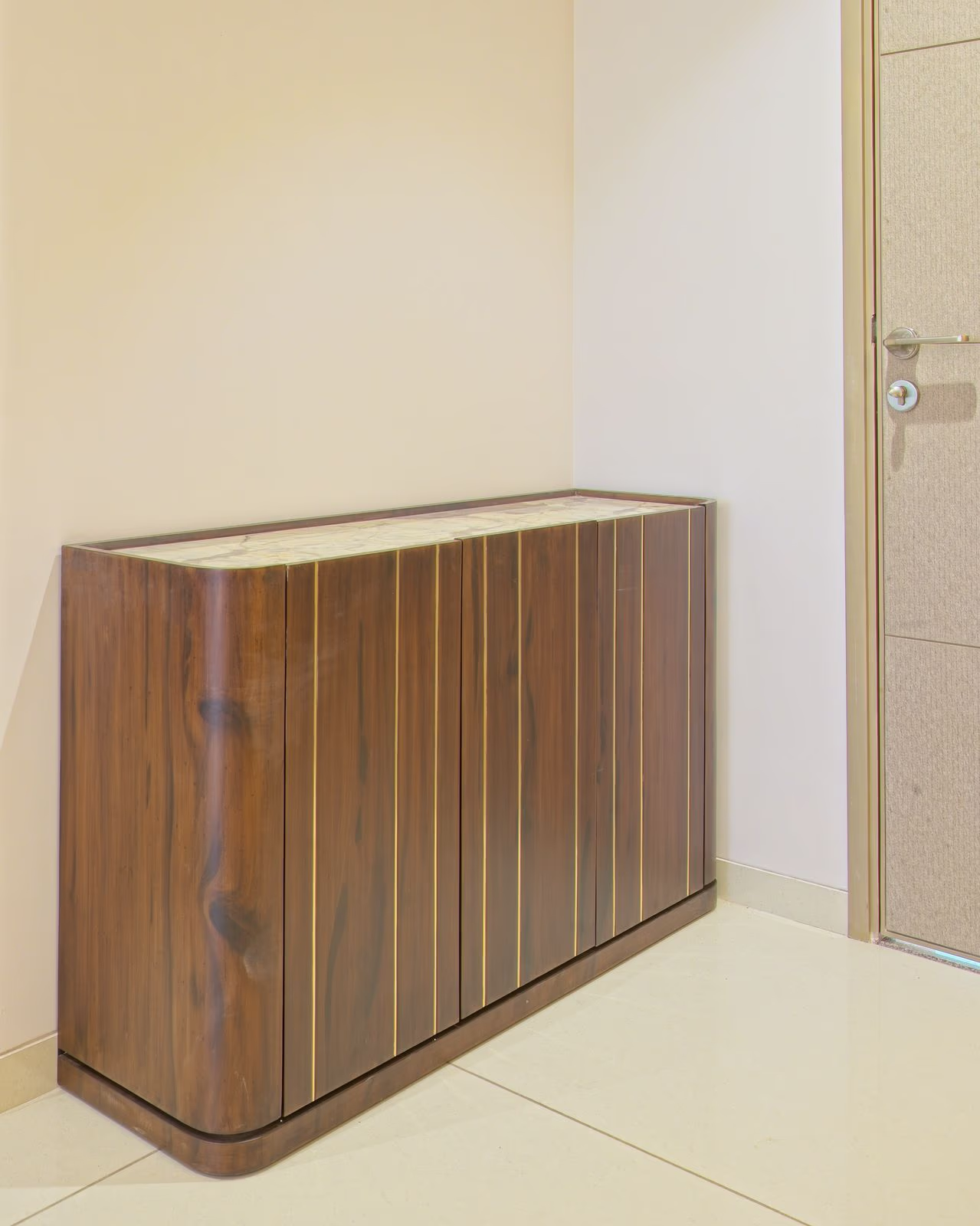
This is why we say the style sets the mood, but the making sets the value. A calm modern room in real walnut and marble will always beat a glam room in shiny fakes. Before you fall for a look, learn a little about materials — start with solid wood vs veneer and how we choose materials for each client.
Fit is the other half. A style only reads as luxury when nothing is left awkward — no gap over a wardrobe, no sofa lost on a long wall, no cabinet blocking a passage. That is the whole point of made-to-space furniture: the look you chose, cut exactly to your room, so the style stays true on every wall.
What a luxury interior in your style costs
Style affects cost, but less than people expect. Heavy classic and full art deco cost more because of the hand-carving and detail. Modern, minimal and quiet luxury can cost a little less on labour, though they demand flawless materials to look right. Across all of them, the big cost drivers are the same: the quality of the wood, stone, metal and cloth, and how much of the home you finish at once.
As a rough guide, a fully designed luxury room in fine materials in India usually starts around ₹8,00,000 ($9,500) and rises with size, detail and the richness of the materials. A whole-home project runs far higher. We break the numbers down honestly in the luxury interior design cost in India guide, in both ₹ and $, so there are no surprises.
Whatever style you choose, think in years, not months. A room built once in real materials, in a look you love, outlasts three cheaper redos — which is why so many owners treat fine interiors as a long-term investment rather than a yearly expense. The right style, made well, only looks better with time.
Who designs luxury interiors in these styles
Designatore, founded by designer Nidhi Patel, designs luxury interiors and made-to-space furniture in every style above — with a signature in contemporary glam. One team designs, builds and installs each room by hand in India, for high-end homes and offices across India and worldwide. Because the same house draws the plan, makes the furniture and fits it, the whole home reads as one calm, finished look.
That single-team method is what keeps a chosen style true from the first sketch to the last wall. There is one colour story, one standard of material and one name behind the result. You can furnish a full home in one clear look, or add the single piece a room has been missing. See finished rooms across styles in the Designatore collection.
So start where it is simplest. Decide how you want your home to feel, pick the style that matches, and let one team carry it through every room. Send us your space, and we will shape your chosen look into furniture and interiors made to fit it — down to the inch.