
To choose a luxury interior designer, look past a pretty portfolio and check the things that last: real finished homes, honest costs in writing, in-house making, and a designer who listens before they draw. A true luxury studio builds around your life and your rooms, not around a trend, and stays with you until the last piece is placed.
Your home is likely the biggest thing you own, and the place you live your real life. So the person who shapes it matters a great deal. Choose well, and you get a home that feels calm, personal, and right for years. Choose in a hurry, and you can spend a fortune and still feel that something is off.
This guide is the honest version. No sales talk. We will show you what truly sets a luxury studio apart from the rest, the questions that reveal the truth fast, and the quiet warning signs to watch for. Read it once, and you will choose with a clear head.
What separates a true luxury interior designer from the rest
Many studios can make one room look nice for a photo. Far fewer can make a whole home feel calm, personal, and finished, and keep it that way for years. That gap is the whole story. A true luxury designer is not selling you a look. They are building a home around the way you live.
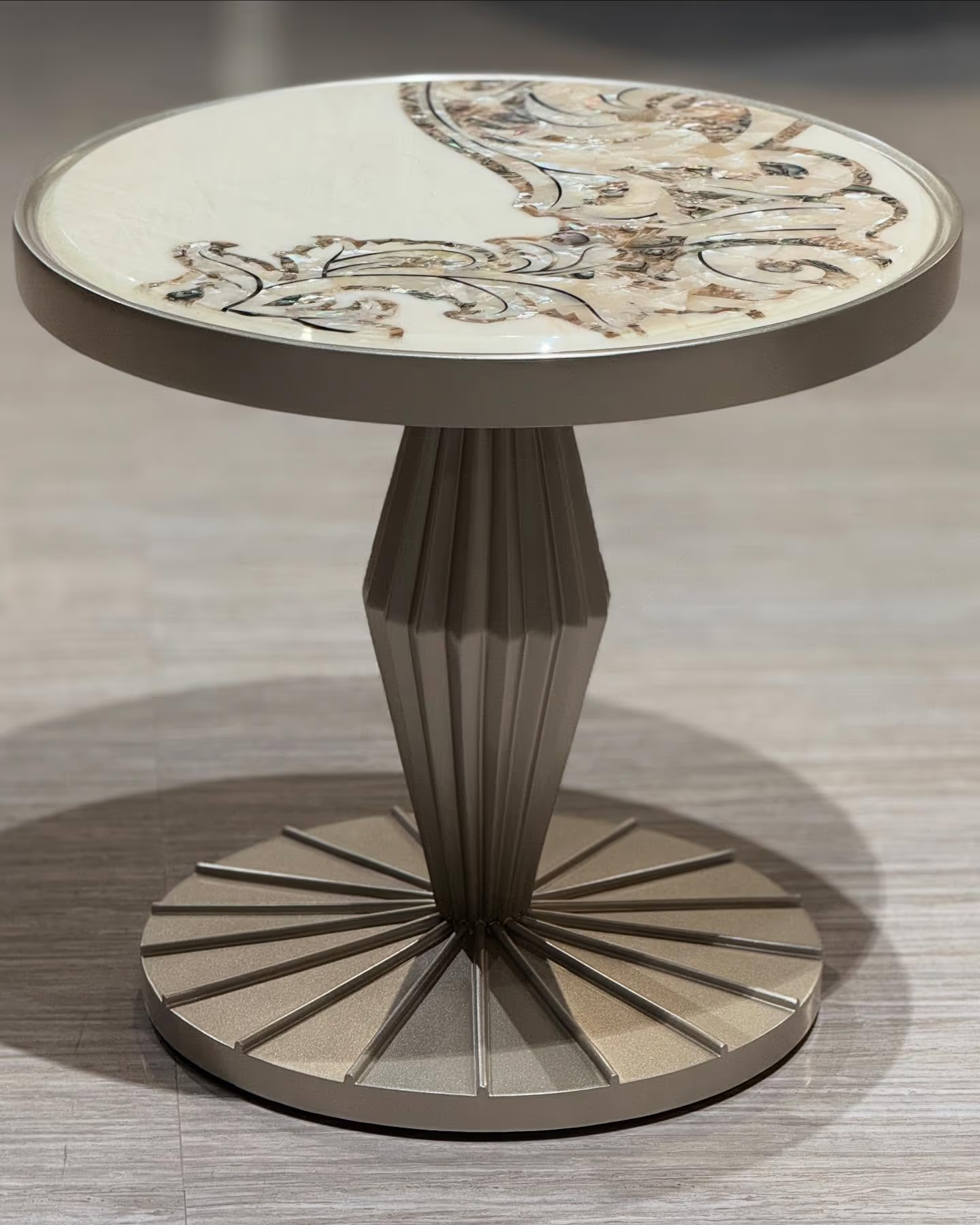
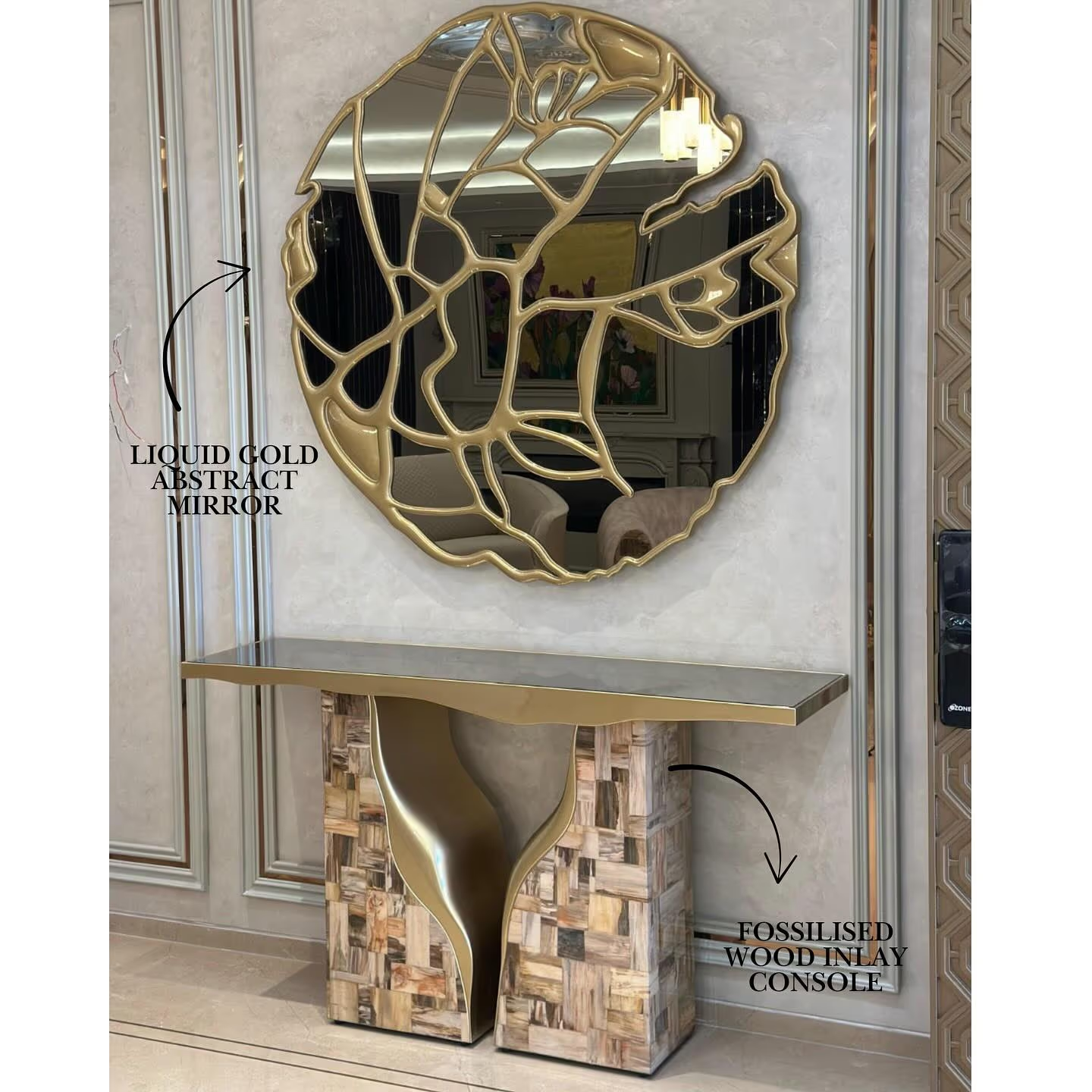
The clearest sign is fit. In a great luxury home, nothing looks squeezed in and nothing floats in a gap. The sofa is the exact width of the wall. The wardrobe reaches the ceiling with no dead space on top. This only happens when the studio makes furniture for your room, not off a shelf. We call this made-to-space furniture, and it is the true mark of a luxury home.
The second sign is control. A real luxury studio holds the whole job in its own hands, from the first drawing to the last cushion. They design it, they make the furniture, and they place it. Nothing is passed to a stranger halfway through. That is why the finish feels whole, not stitched together from many hands.
A true luxury studio does not sell you a look. It builds a home around you.
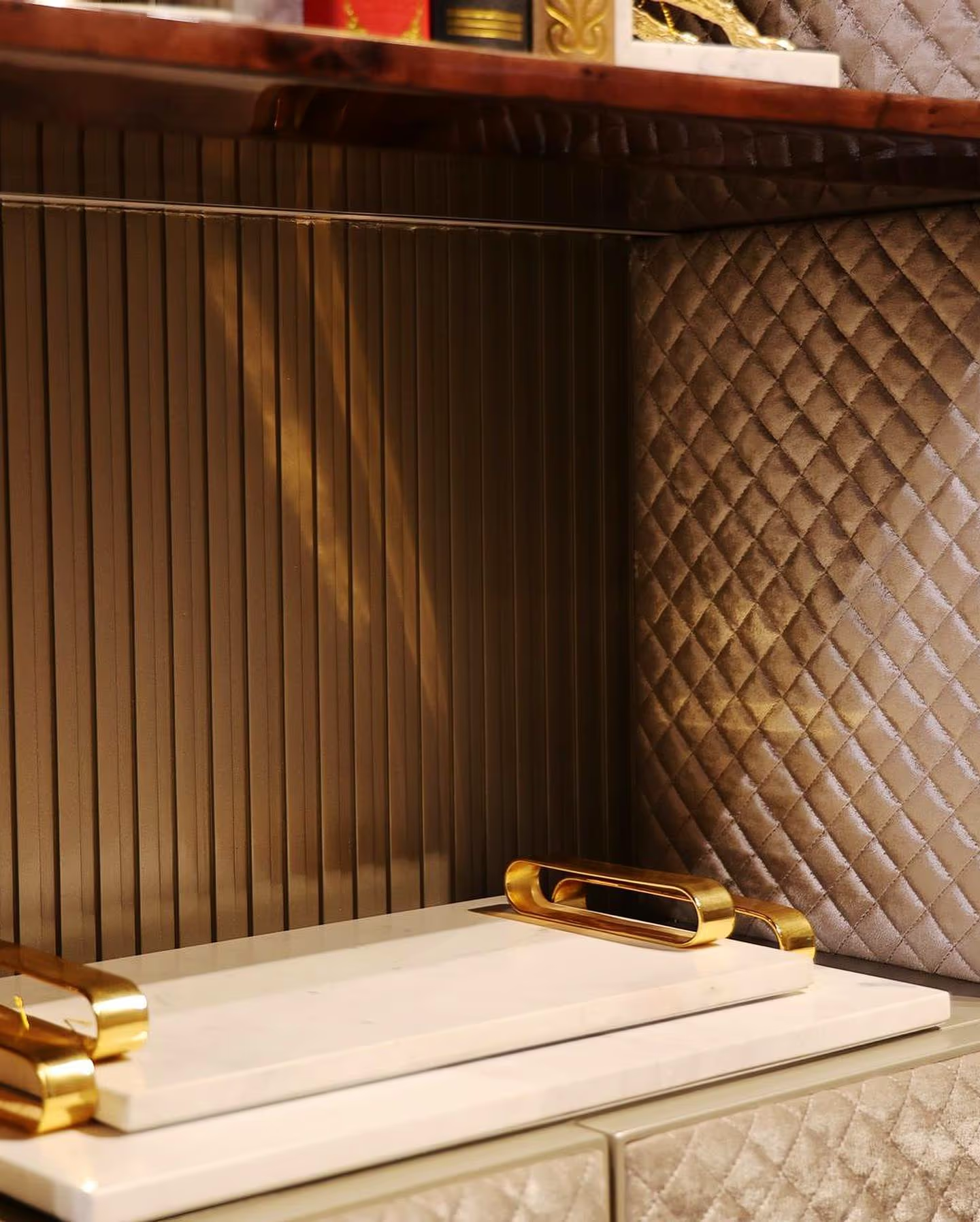
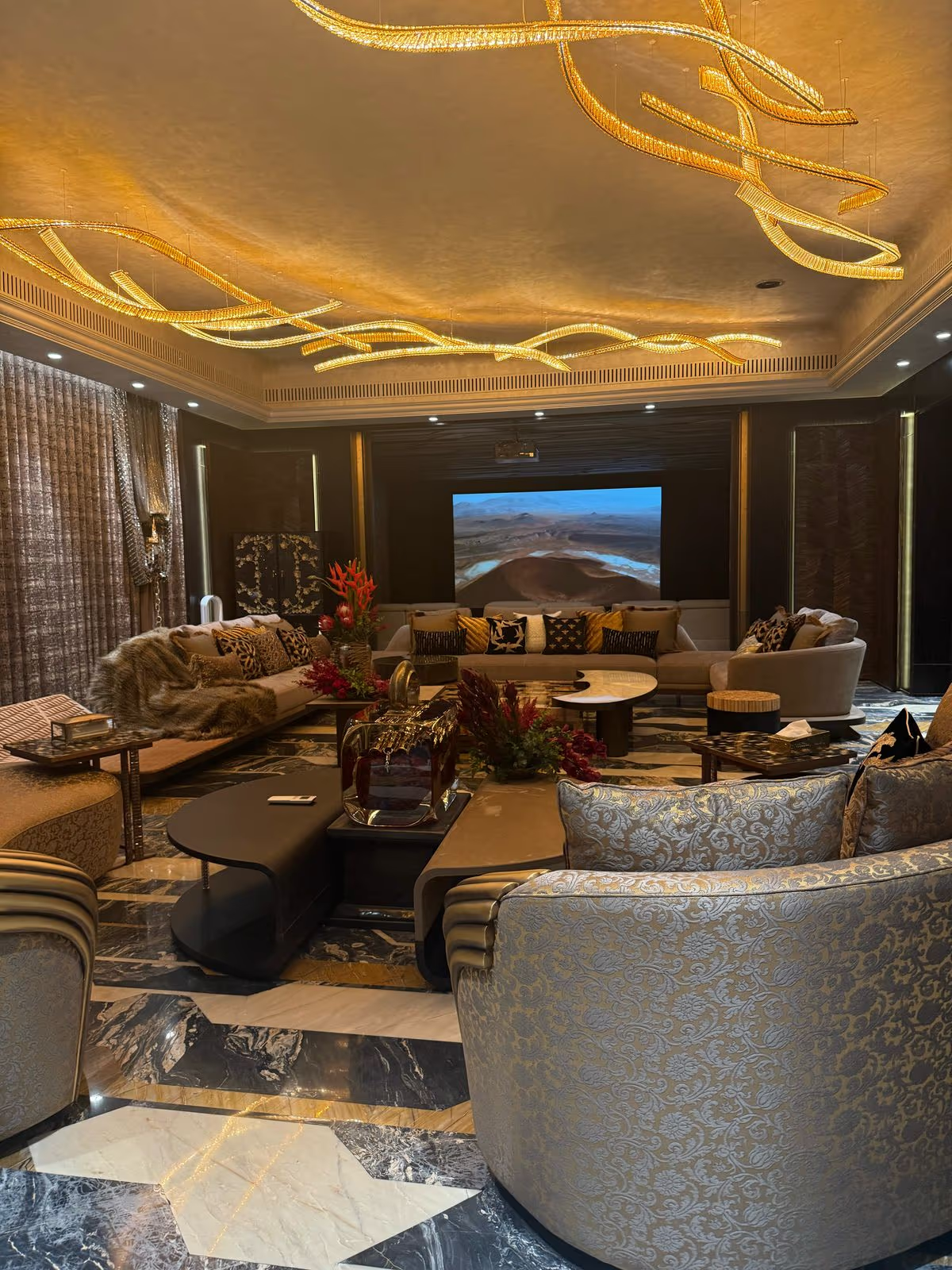
The third sign is quiet taste. Loud is easy. Calm is hard. The best rooms do not shout for attention. They feel rich and settled, with real wood, real stone, and light used well. If a studio only knows how to make things flashy, walk on. The homes that feel most expensive are often the calmest, which is the heart of quiet luxury interior design.
How to choose a luxury interior designer, step by step
Here is the order we would follow if we were in your seat, choosing a studio to trust with our own home. Take it one step at a time. Each step filters out the wrong studios and brings the right one into focus.
- Look at finished homes, not mood boards. Anyone can paste pretty pictures. Ask to see real projects the studio finished and, if you can, visit one or speak to the owner.
- Check who actually does the work. Ask if the design, the making, and the fitting are done by the same house, or handed to outside teams you will never meet.
- Ask how furniture is made. A true luxury studio makes furniture to your room. If everything is bought off a shelf, it is decoration, not design.
- Get costs in writing, early. Honest ranges before you commit are a sign of respect. Vague numbers that only firm up later are a warning.
- Meet the person who will stay with you. Make sure the designer you like is the one who will run your job to the end, not just win the pitch.
- Trust the feeling in the room. You will spend months with these people. If they listen and you feel at ease, that matters as much as any drawing.
Do these six things and most of the guesswork falls away. The right studio will welcome every one of these steps. The wrong one will get vague or rush you past them. That reaction alone tells you a great deal.
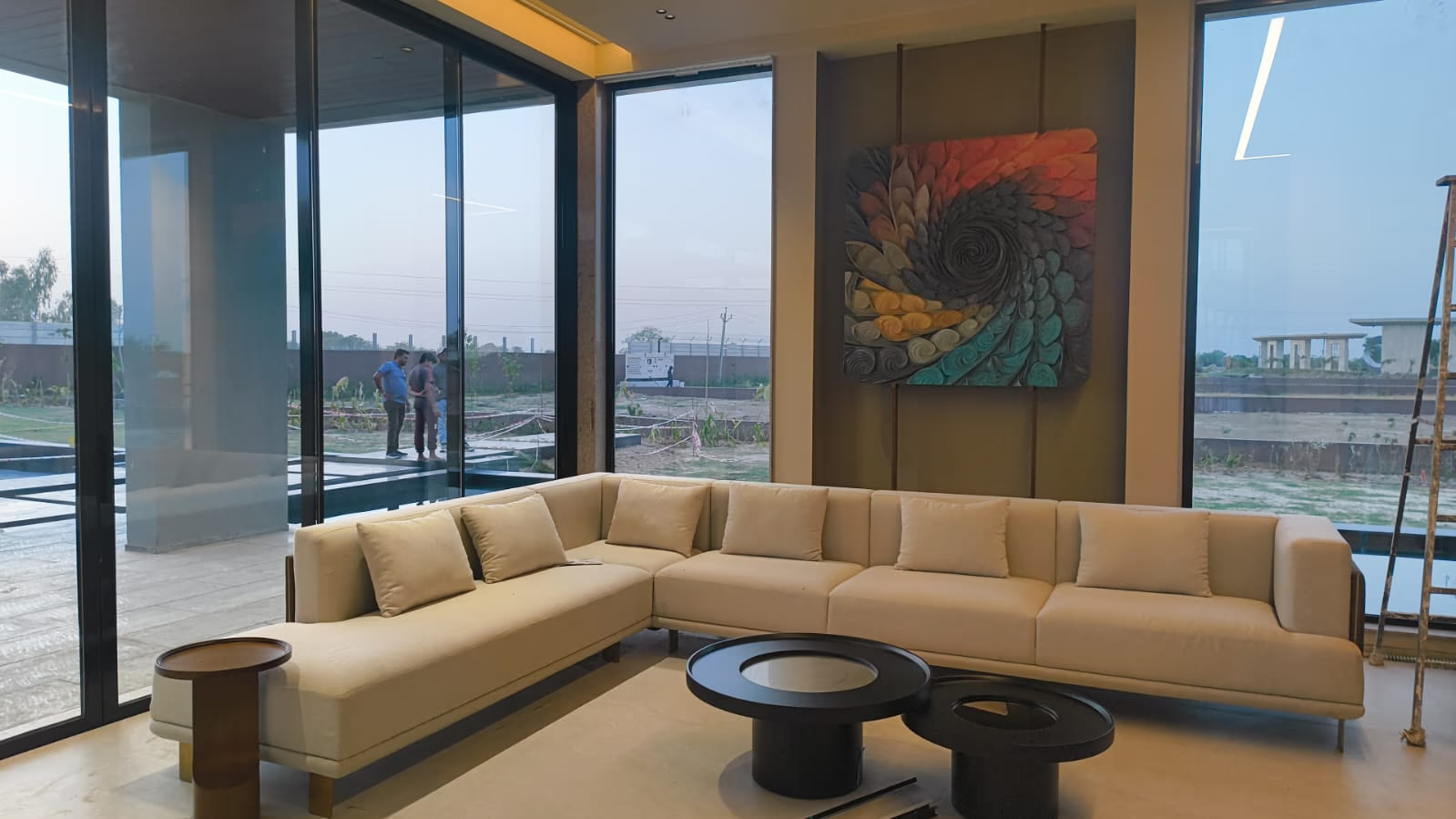
Questions to ask before you hire an interior designer
The fastest way to know a studio is to ask a few plain questions and listen closely. You are not testing them to be difficult. You are protecting your home and your money. A good studio answers openly. Here are the ones that reveal the most.
- Can I see homes you finished, and speak to those owners? Real proof beats any brochure.
- Who does the actual work, and is the furniture made in-house or bought in?
- How do you charge, and how are changes priced later?
- Who from your team stays with me from start to finish?
- What happens if there is a delay, and who carries that cost?
- How do you handle a home you cannot visit often, if I live away?
Notice how they answer, not just what they say. Calm, clear, specific answers are a good sign. Slippery or rushed answers are a red flag, no matter how lovely the portfolio. We go deeper on this in our full list of questions to ask before you hire a designer, which you can take straight into your first meeting.
Want a clear read on your own home, with honest ranges and no pressure? Send us your space and we will send back a plan you can actually use.
Send us your space →Full-service studio or single decorator: which to hire
Not every project needs the same kind of help. Some people want one person to pick colours and cushions. Others want a full studio to take a bare flat and hand back a finished home. Knowing which you need saves time, money, and stress. Here is the plain difference.
| What you get | Single decorator | Full-service luxury studio |
|---|---|---|
| Scope | Colours, soft styling, small buys | Whole home, start to finish |
| Furniture | Bought off the shelf | Made to your room in-house |
| Who runs the site | Usually you | The studio, for you |
| Best for | A refresh or one room | A full home you plan to keep |
| Result | A nicer version of the same | A home built around your life |
There is no wrong choice here, only the right one for your job. For a quick refresh of one room, a decorator may be plenty. For a whole home you want to feel finished, calm, and truly yours, a full-service studio that makes its own furniture is worth far more than it looks on paper. If you want the fuller side-by-side, our turnkey interior design guide explains what handing the whole job over really means.
Luxury interior designer in India: what to expect
Hiring a luxury interior designer in India has its own points to know, and a good studio handles them all for you. The climate matters, so wood must be dried and treated well or it cracks and swells with the seasons. The right studio chooses the best wood for India's climate from the start, so your furniture holds for decades, not months.
Making in India is also a real strength when the studio is set up for it. A house with its own workshop can build fine, made-to-space furniture in solid wood, stone, and brass, and still keep the cost fair, because there is no long import chain and no middle-man mark-up. You get world-class work, made in India, shipped across India and worldwide.
The quality is not a claim. Actor Amitabh Bachchan is among the homeowners who have chosen made-to-space work, a small, factual sign that the standard holds at the very top. You do not need a famous name to get it, but it helps to know the bar is real. The best studios treat every home with the same care, whether it is a first flat or a large estate.

How much a luxury interior designer costs
Money is the question everyone thinks about and few like to ask first, so let us put it plainly. A luxury home interior in India often starts from about ₹25,00,000 ($30,000) for a well-finished home and rises from there with size, materials, and how much is bespoke. Large homes can run into several crore. The honest answer is that it depends on your rooms.
What matters more than the number is how a studio talks about it. A studio you can trust gives you ranges in writing before you commit, explains what drives the cost up or down, and never lets a surprise land late. A studio to avoid keeps the number soft, then lets it creep once you are too far in to walk away.
You also get more control than you might think. You can start with one hero room and add over a year or two, on a plan the studio holds for you, so the look never clashes. For a full, honest breakdown of what things cost and why, read our guide to luxury interior design cost in India. It is written to help you plan, not to sell you.
Warning signs when you hire an interior designer
Choosing well is also about spotting the studios to walk away from. Most bad experiences come from a handful of warning signs that show up early, if you are watching. None of these are about taste. They are about how a studio treats you and your money.
- Only stock images or mood boards, and no finished homes you can verify.
- Vague pricing that firms up only after you have paid or committed.
- A hard push toward a trend, with little interest in how you actually live.
- The person who wins your trust vanishes once the job starts.
- No workshop and no clear answer on who makes the furniture.
- Pressure to decide fast, before you have had time to think.
Any one of these is a reason to slow down and ask more. Two or three together, and it is usually time to walk. A home is too big a thing to hand to a studio that hurries you or hides its costs. The best studios welcome your caution, because they have nothing to hide.
Interior designer or architect: who to call first
People often mix these two up, and it costs them time. In short, an architect shapes the building itself: the walls, the structure, the shell. An interior designer shapes how you live inside it: the layout, the light, the finishes, and the furniture. Both matter, but they answer different needs.
If your home is already built and you want it to feel finished, warm, and truly yours, a luxury interior designer is usually the right first call. If you are building from the ground up or moving walls, you may need both, working together from the start. We lay out the full picture in interior designer vs architect: who to hire, so you call the right person first and avoid paying twice.
Choosing a luxury designer from abroad
If you live overseas, do not settle for less. A studio built for distance makes it simple. Drawings and material samples are shared online, approvals happen over video calls, and the site is run for you while you are away. You should be able to sign off on every choice without flying back and forth.
We do this every week for clients living outside India, and hand over a finished home ready to live in. If this is you, our guide to global luxury interiors for NRI homeowners walks through exactly how a home gets designed, made, and fitted while you are thousands of miles away. Distance should never be the reason you settle for a home that does not feel like yours.
So, how should you choose a luxury interior designer?
Choose the studio that listens before it draws, that shows you real finished homes, that makes its own furniture to your room, and that puts honest costs in writing. Choose the one that stays with you to the last piece, not just the pitch. Choose calm over loud, and fit over flash.
That is the whole test, in one line. Everything else in this guide is just a way to check it. Get this right, and you will not just hire a designer. You will find a house that understands how you want to live, and builds your home to match.
We are a made-in-India furniture and interior house, working across India and worldwide, led by founder Nidhi Patel. Every home we do is drawn around your walls, your light, and the way you live, and every piece is made to space. When you are ready, send us your space and we will send back honest ranges and a clear plan. To see the work first, browse the collections and picture them in your own rooms.