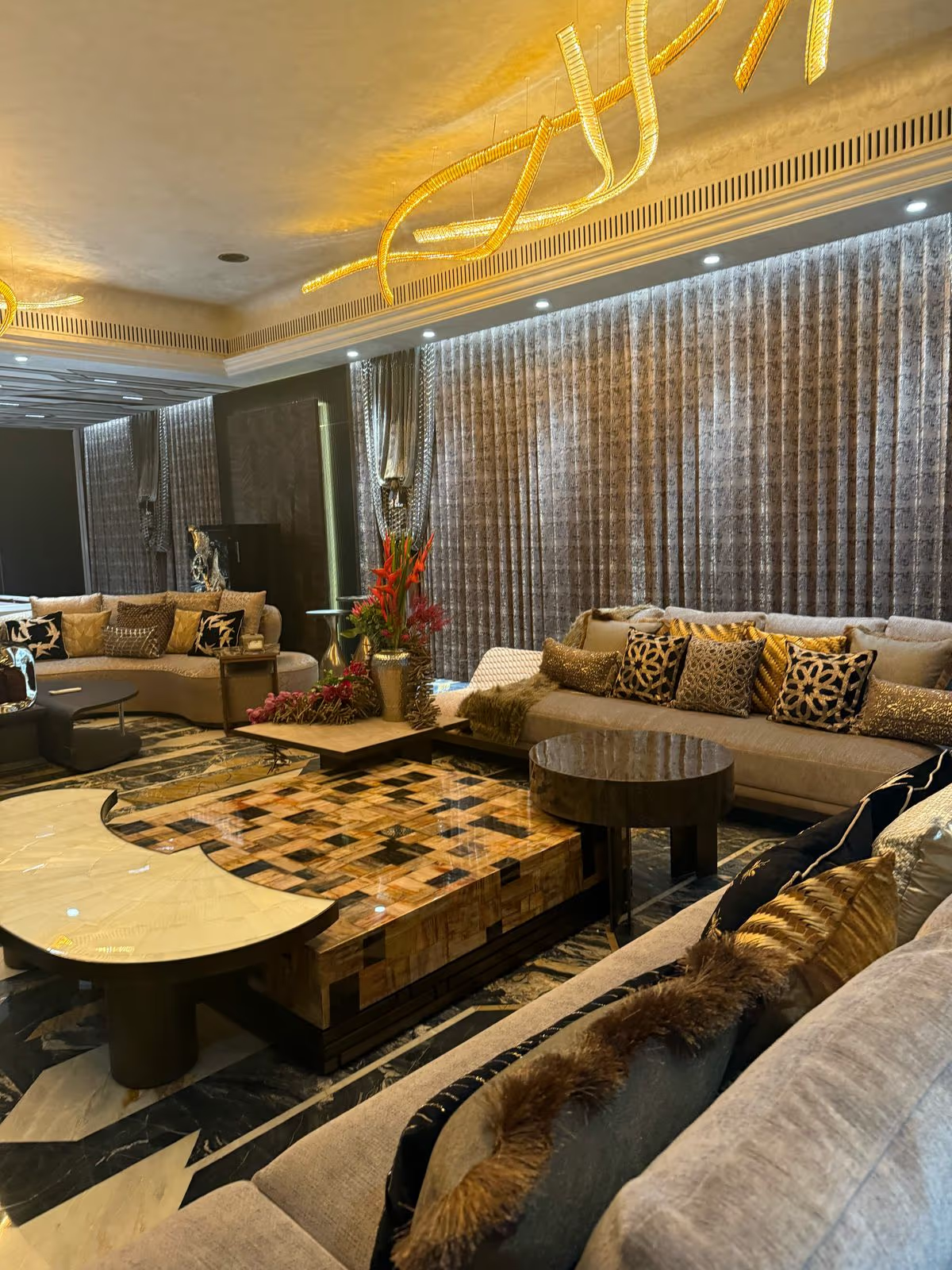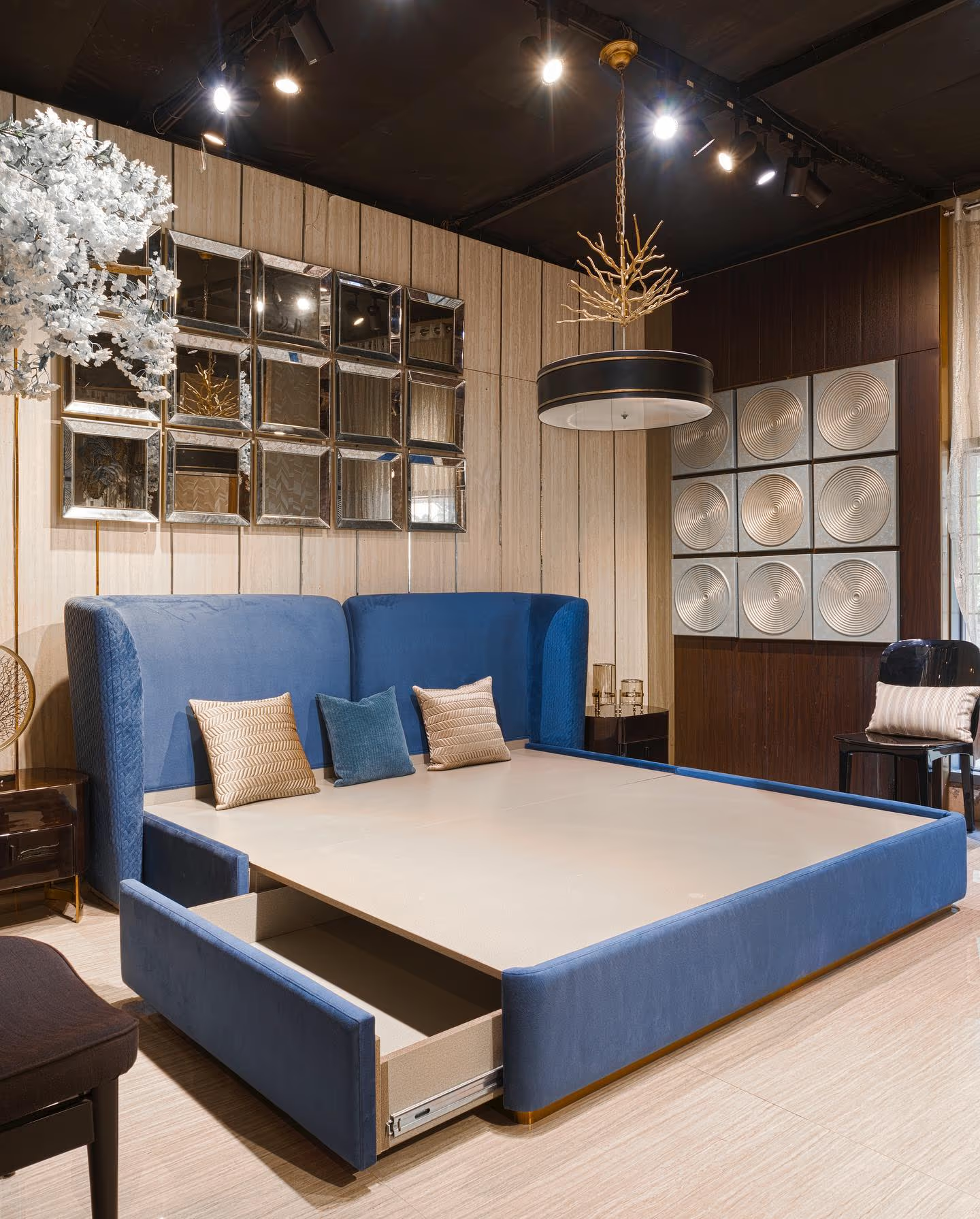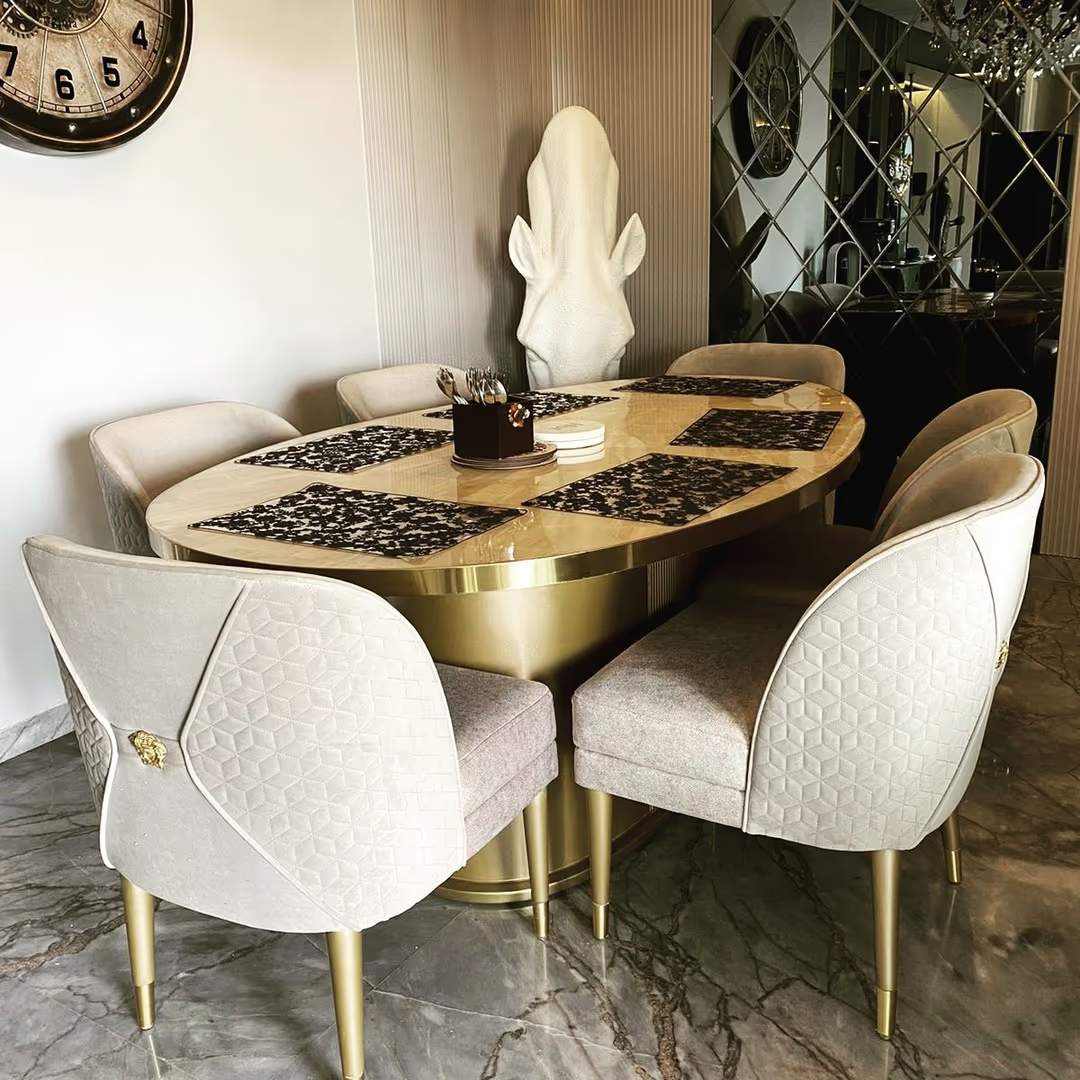

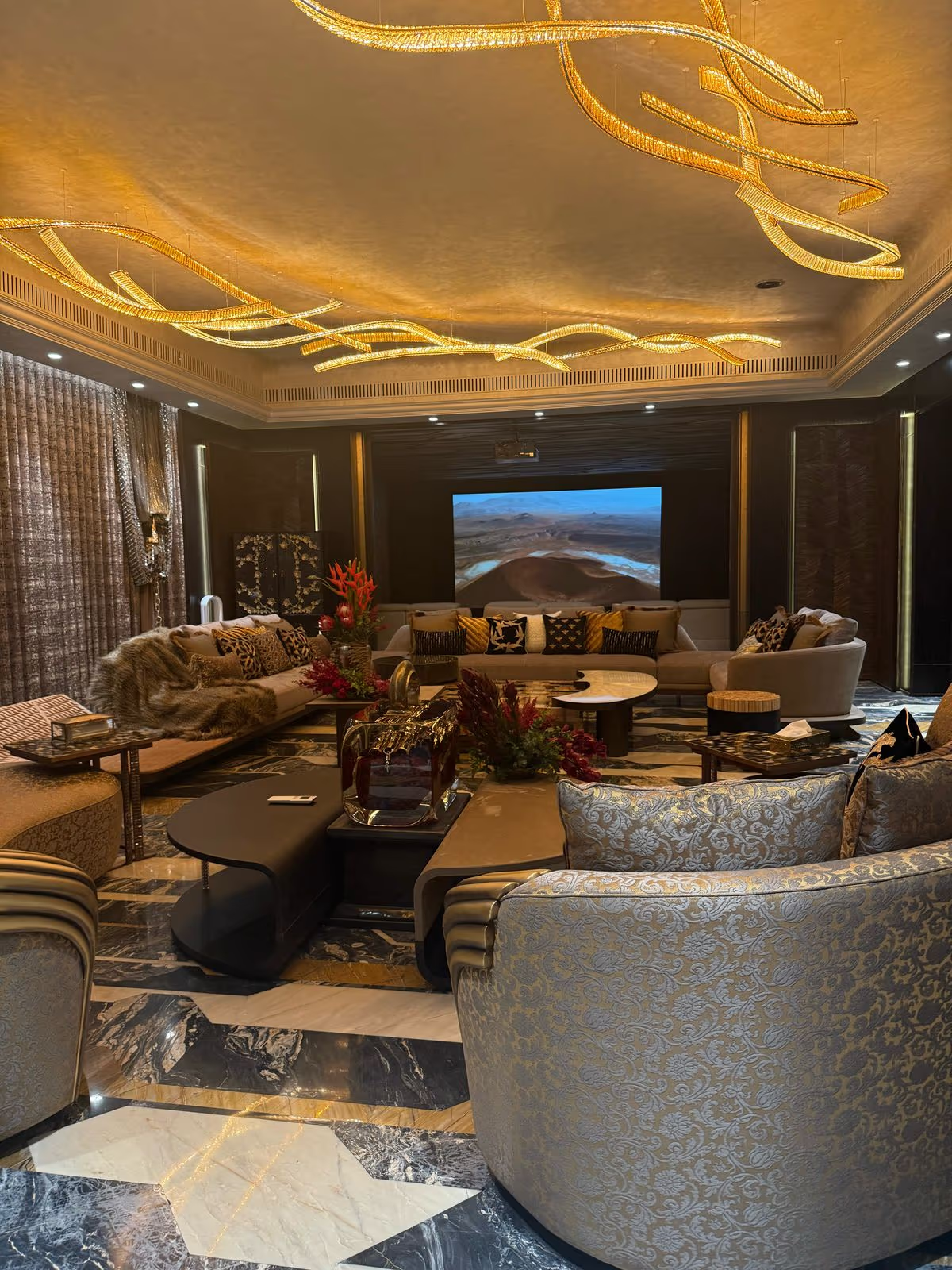
Luxury home theatre design turns one room into a private cinema. You start with dark, calm walls, then add a large screen, deep tiered theatre seating, hidden sound and soft, layered light. Every piece is made to fit the room, so the space feels grand, quiet and truly yours — a media room built for real evenings, not just show.
A home theatre is one of the most loved rooms in a fine home. It is where the family gathers on a Friday night. It is where big matches feel bigger. It is where guests say “wow” before the film even starts. Done well, it feels like your own private cinema — dark, deep and calm. Done badly, it is just a big TV on a bright wall with a hard sofa in front.
This guide walks you through luxury home theatre design in simple steps. You will learn how to choose the room, the screen, the theatre seating, the sound and the light. You will also see why made-to-space furniture matters so much here — because a home cinema, more than any other room, has to be built around the space it lives in.
Start with the right room for your home cinema
The first choice in any home theatre design is the room itself. A home cinema wants to be a little cut off from the rest of the home. You do not want kitchen light, street noise or foot traffic pulling you out of the film. A basement, a spare room or a quiet corner of the home usually works best, because it is easy to make dark and easy to keep still.
Shape and size both matter. A room that is a little longer than it is wide gives you room for two seat rows and a good gap to the screen. Very square rooms and very odd shapes can still work, but they need real planning. If your room has a slope, a beam or a strange corner, that is not a problem — it is exactly the kind of space where made-to-space furniture for odd-shaped rooms earns its place.
- Aim for depth — a room at least 4 by 6 metres suits two rows of seats and a large screen.
- Choose a quiet spot — away from the kitchen, the front door and the street.
- Control the light — fewer windows are better; the ones you have should black out fully.
- Think about the ceiling — a taller ceiling gives room for a raised back row and better sound.
Choose the screen and where seats sit
The screen sets the scale of the whole room. Most luxury home theatres use either a large flat screen or a projector with a fixed screen. A projector gives that true cinema size and the drama of a big picture in a dark room. A flat screen is brighter and simpler, and suits a media room that also gets some daylight. Both can look wonderful; the right one depends on how dark your room will be.
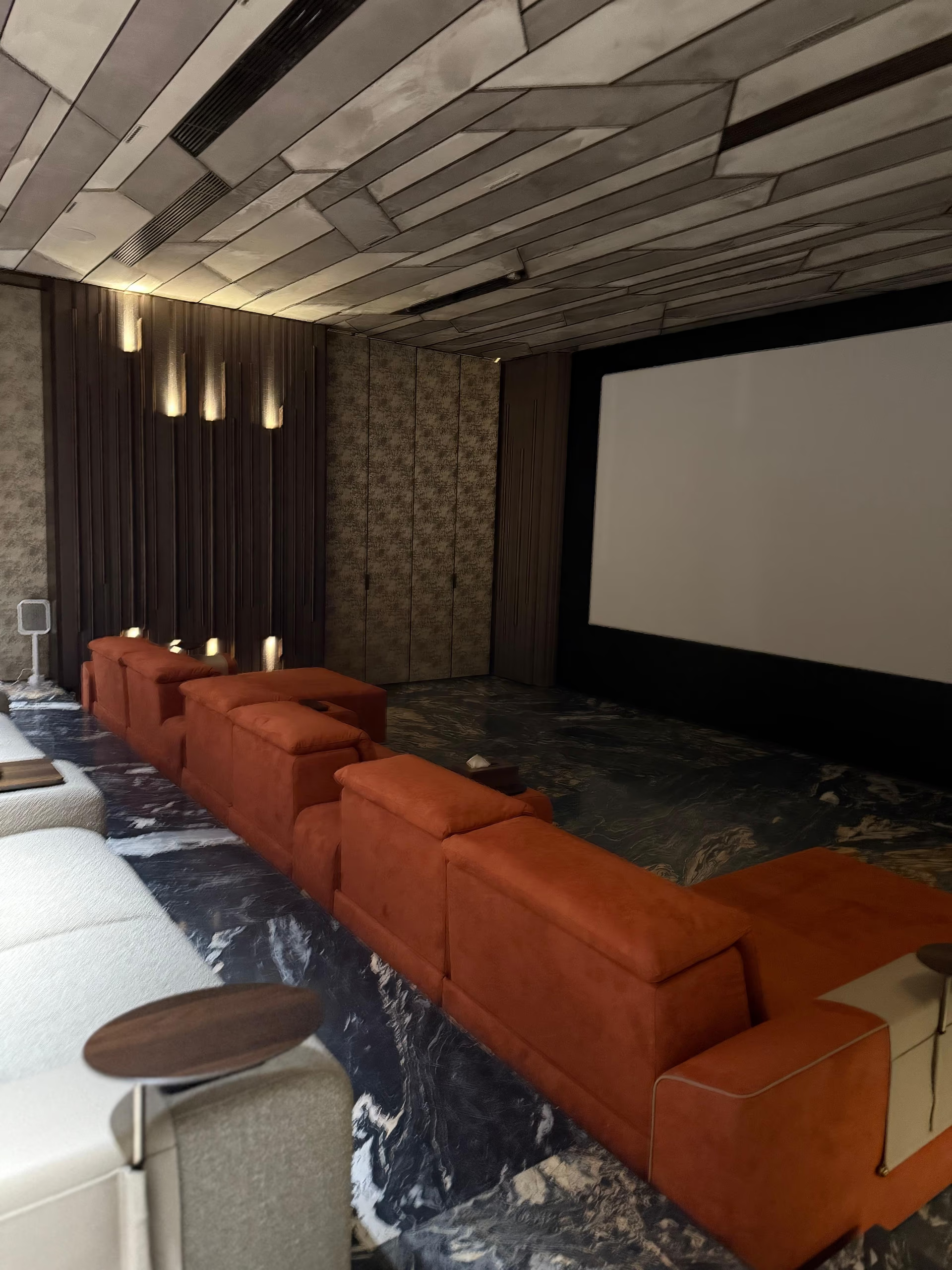
Where you place the seats matters just as much as the screen. As a simple rule, the front row should sit about one and a half to two times the screen width away from the screen. Too close and the picture feels tiring. Too far and the cinema feel is lost. This is why the screen, the seating and the room are planned together, as one design, never bought one by one.
Get the theatre seating right
Theatre seating is the heart of the room. This is where you sit for two or three hours, so comfort is everything. The best home theatre seats are deep, softly padded and able to recline, with a headrest that supports you fully. Leather is a favourite here because it feels rich, wipes clean and ages well through years of film nights. To weigh the feel of each cover, see velvet vs bouclé vs leather.
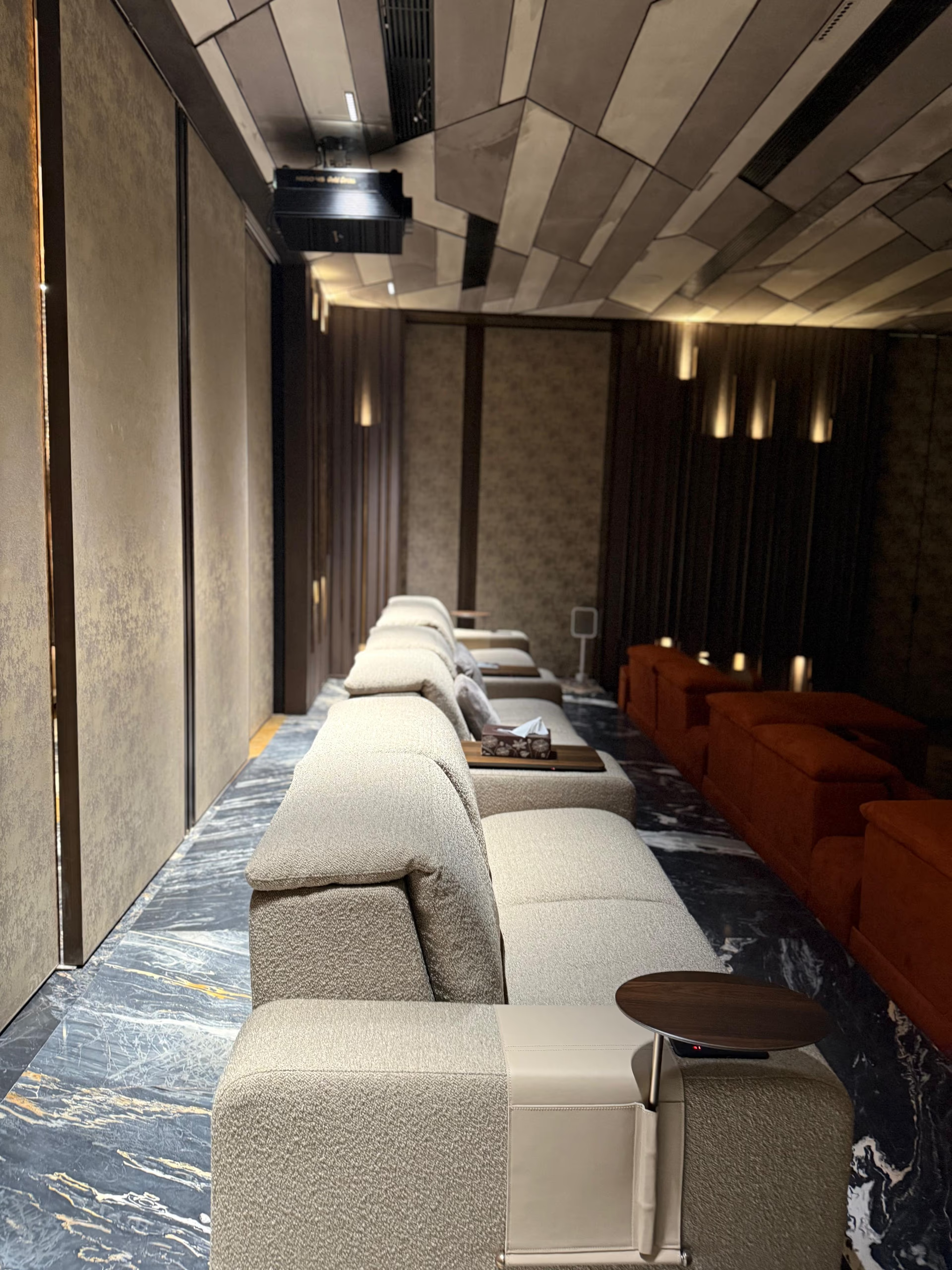
Most luxury rooms use two rows of seats. The back row sits on a raised platform, so those seats can see over the front row cleanly. This small step, called tiering, is what makes a home cinema feel like a real theatre instead of a living room. It has to be planned into the room early, because the platform, the wiring and the seat size all depend on each other.
Off-the-shelf recliners rarely fit a real room well. They come in fixed widths, so you end up with odd gaps at the walls or a row that does not quite reach. Made-to-space theatre seating is built to your room — the right number of seats, the right width, the right gap to walk past, with side tables and cup holders where you actually want them. Nothing is squeezed in and nothing is left over.
The best seat in the house should be every seat in the room.
Plan the sound before you build
Great sound is what separates a true home theatre from a big screen on a wall. Good sound has two parts. First, the speakers — placed around the room so sound comes from the sides and back, not just the front. Second, the room itself — soft, dense surfaces that soak up echo and stop sound bouncing around. A hard, bare room makes even the best speakers sound thin and harsh.
This is why sound is planned before the room is built, not added at the end. Speaker spots are set into the walls and ceiling. Soft panels, thick curtains and a soft floor are worked into the design. Wiring is hidden inside the walls and the furniture, so you never see a cable. Done this way, the sound wraps around you and stays inside the room, keeping the rest of the home calm and quiet.
- Soft walls — padded acoustic panels, often wrapped in fabric or leather, soak up echo.
- Heavy curtains — thick drapes on the back or side walls hold sound in and block light out.
- A soft floor — a deep rug or full carpet stops sound bouncing off the ground.
- A sealed door — a solid door with a seal keeps the boom inside the home cinema.
Light the room in soft layers
Light makes a home theatre feel special. You want the room dark enough for a great picture, but never pitch black or clumsy. The trick is layers. You use several small, soft light sources that you can dim, instead of one bright ceiling light. This lets you set the mood — low and warm for a film, a little brighter to find your seat or serve snacks.
Popular touches include tiny star lights in the ceiling, a soft glow along the floor steps, warm wall lights on a dimmer, and a hidden strip behind the screen to rest your eyes. Step lights on the raised back platform are a safety touch that also looks beautiful. Together, these layers give the room that gentle, grand cinema feeling — the same calm, rich mood you find in quiet luxury interior design.
Home theatre vs media room: which do you need?
Not every home wants a fully dark cinema. Many families are happier with a media room — a relaxed space for films, sport, games and simply sitting together, often with some daylight and a more open feel. Others want a true home theatre, sealed and dark, built mainly for the film. Some lucky homes have room for both. The table below shows the difference in plain terms.
| Home theatre | Media room | |
|---|---|---|
| Main use | Films and big matches, in the dark. | Films, sport, games and sitting together. |
| Light | Kept dark, with full blackout. | Some daylight is fine and welcome. |
| Seating | Tiered rows of deep recliners. | Big sofas and soft seating, more relaxed. |
| Sound | Fully tuned, sealed room. | Good sound, but more casual. |
| Feel | Like a private cinema. | Like a warm, easy family room. |
There is no wrong answer. The right choice depends on how you live. A film-loving family may want the sealed home cinema. A busy home with children may prefer the easy media room they use every day. Either way, the room should be planned around your real evenings — which is the whole idea behind made-to-space furniture.
Dreaming of your own private cinema at home? Show us the room and we will design a home theatre made to fit it.
Send us your space →Add the small touches that feel expensive
Once the big pieces are set, the small touches are what make a home theatre feel truly luxurious. These are the details guests remember. None of them are loud. They simply make the room feel finished, warm and thought-through — the mark of a home designed by one hand, not filled from many shops.
- A small bar or snack counter at the back, so no one misses the film for drinks — see our home bar design ideas.
- Warm wood on the walls or ceiling, in one tone across the room, to soften the dark and add richness.
- A soft wall panel in leather or fabric behind the seats, which also helps the sound.
- Hidden storage for blankets, remotes and cables, built into the seating or a side wall.
- A quiet hero material — a slab of burl wood or stone on the bar front — used once as a signature.
The goal is calm richness, not clutter. A home theatre should feel deep and quiet the moment you step in. Every added piece should serve the film or the comfort of the people watching it. When the wood, the leather and the light all agree, the room feels expensive in the best way — settled, warm and clearly built for you.
Why made-to-space furniture matters most here
Of all the rooms in a home, the home theatre depends most on being built to its space. The seating has to fit the width to the inch. The back platform has to match the ceiling. The wall panels double as sound control. The screen distance sets everything. Buy these pieces one by one from different shops and they will fight each other — which is exactly why standard furniture fails in luxury homes.
Made-to-space furniture solves this. One team measures the room, plans the screen, the seating and the sound as one whole, and builds every piece to fit. The seats reach the walls cleanly. The wiring hides inside the furniture. The panels look beautiful and work quietly. Nothing is average, because nothing is off a shelf. To see how this works step by step, read how we design furniture around your room.
What a luxury home theatre costs and how long it takes
Because every part is made for your room, the cost depends on the size, the screen, the sound, the seating and the finish. As a simple guide, a luxury home theatre in India usually starts around ₹15 lakh ($18,000) for a well-finished media room and rises from there with premium acoustics, larger screens and made-to-space seating. Most of that cost is real materials and skilled work, not a brand badge. For the full picture, see how much custom furniture costs.
The way you pay is built to feel safe. You start with a small design fee, then pay in stages as the room is built — and you approve the full design before anything is cut. Prices are shown in both ₹ and $, so families in India and overseas see the same clear number. On timing, a full home theatre usually takes about 3 to 4 months from the first drawing to the final film night, once the screen, seating and sound are all made to fit.
Who designs luxury home theatres
Designatore, founded by designer Nidhi Patel, is a luxury house built around made-to-space furniture and whole-room design. One team plans the home theatre — the screen, the tiered seating, the sound and the light — and builds and signs every piece by hand in India, for fine homes across India and worldwide. Because one hand owns the full room, there is one clear name behind the result.
You can plan a full home cinema from scratch, or fold a media room into a wider home project so it matches every other room. Either way, the first step is the same and simple: send us your space, and we will design a home theatre made to fit it. To see finished work, visit the Designatore collection.