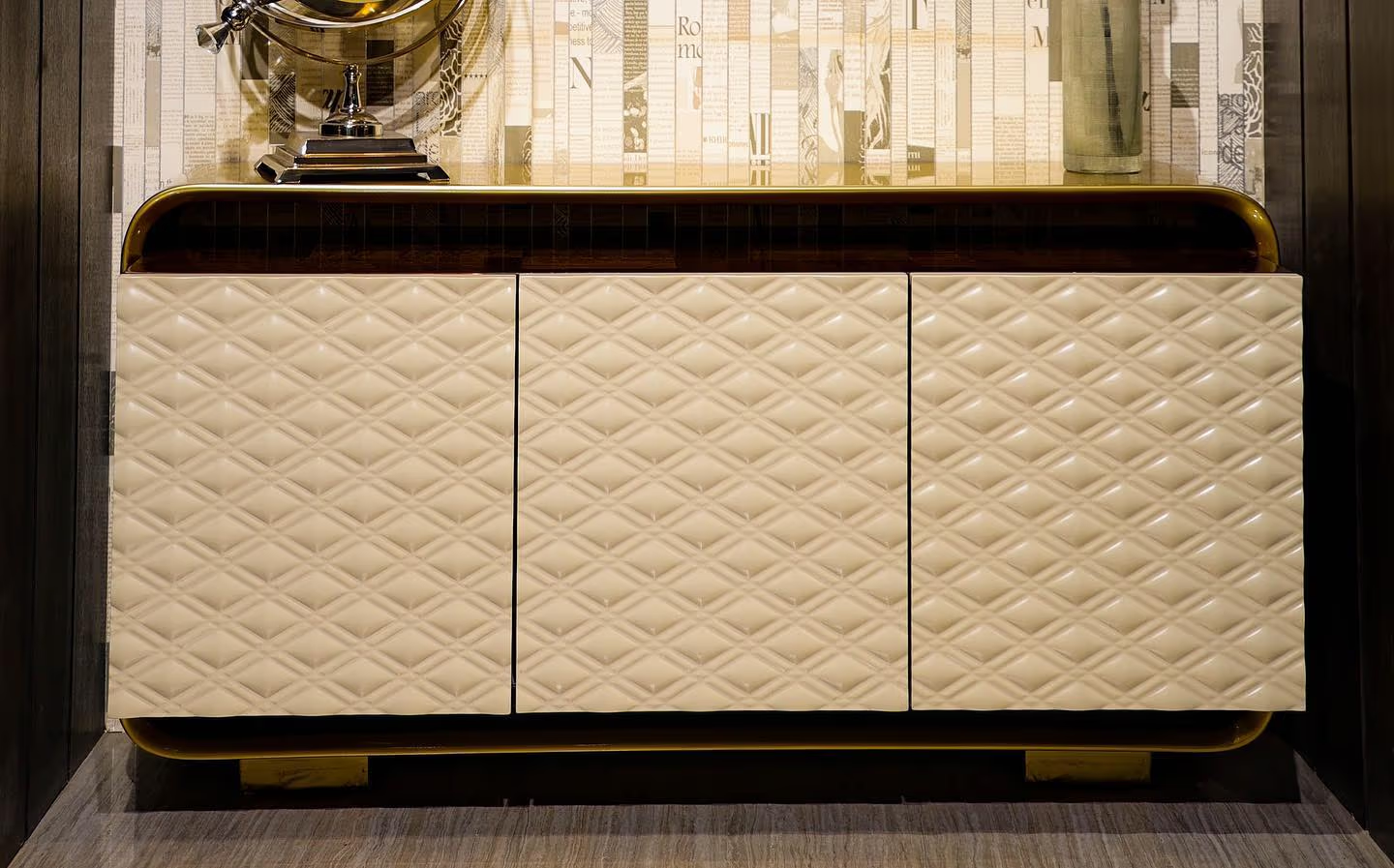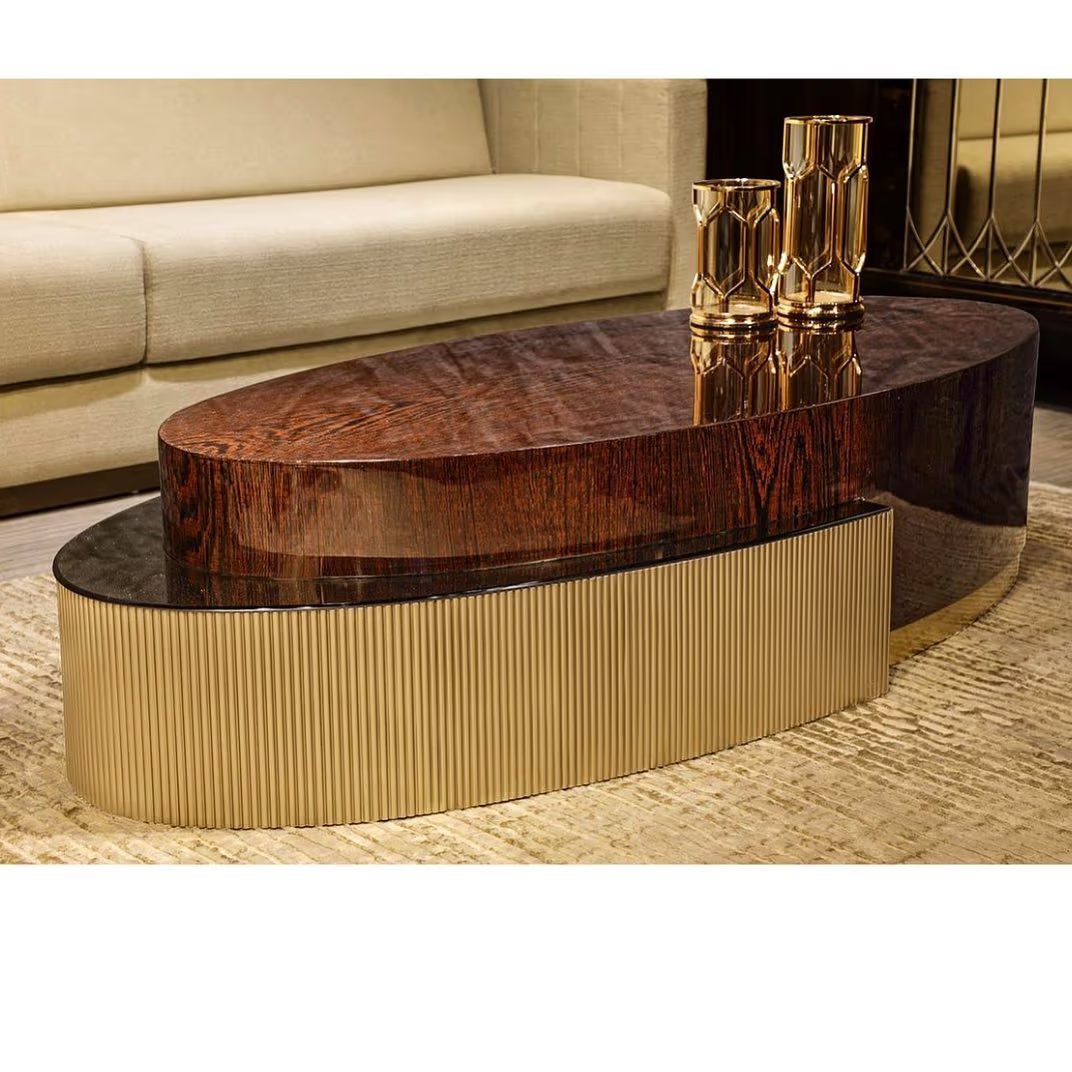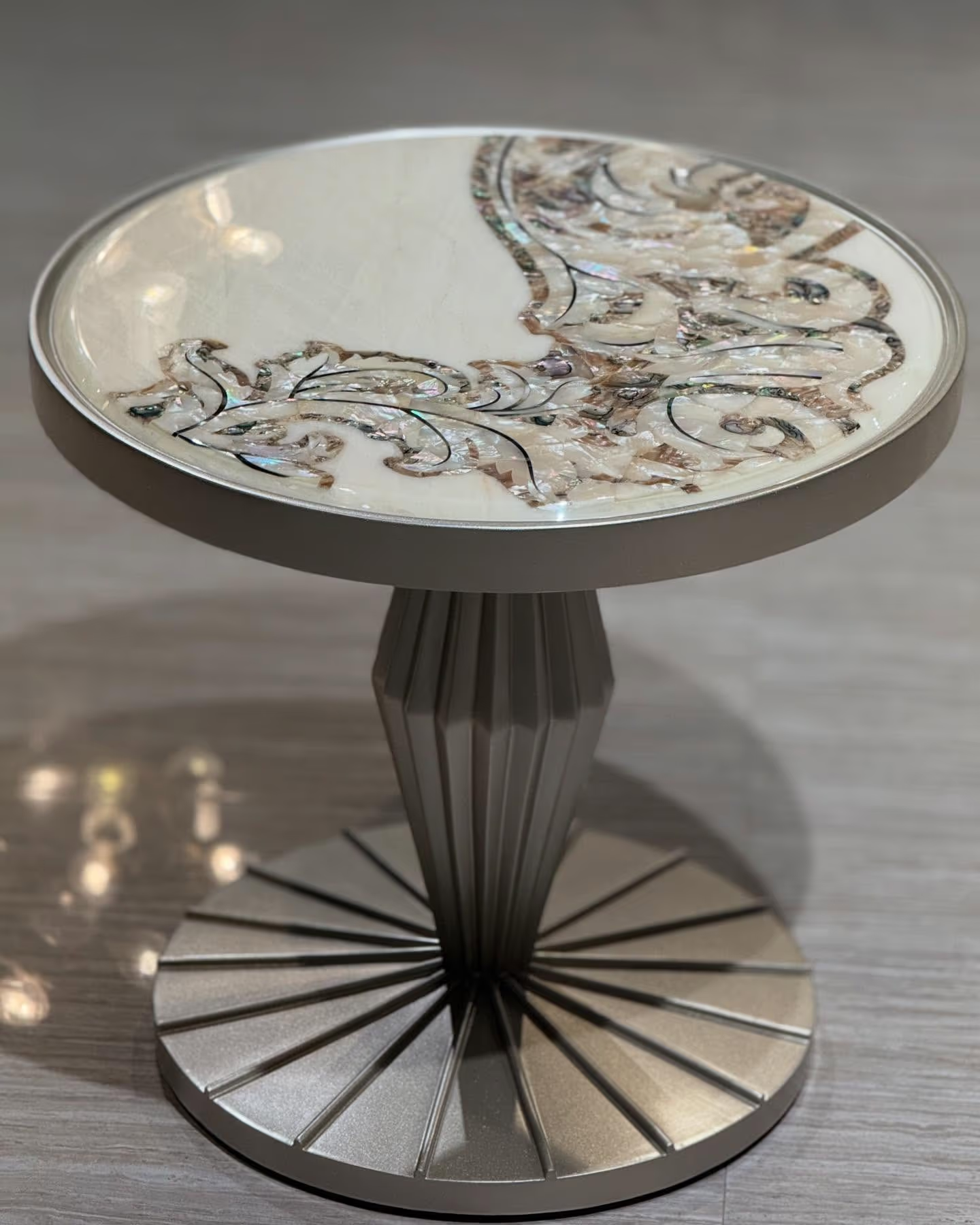

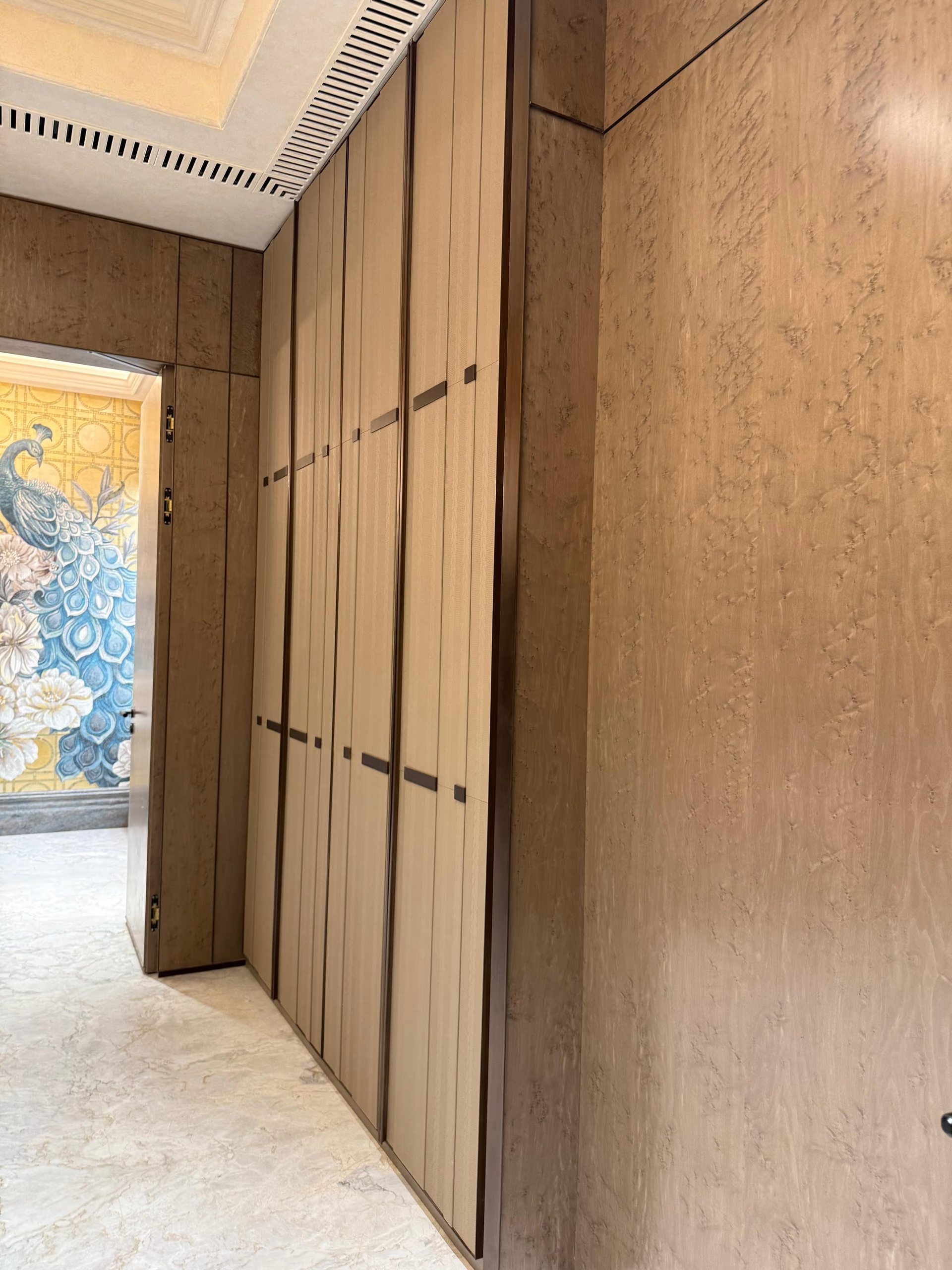
In veneer vs laminate, choose natural veneer for furniture you plan to keep — it is real wood, it ages well and it can be repaired. Choose laminate, the sheet India calls sunmica, for hard-working surfaces: a wet kitchen, a child's study top, a rental. One is a fine surface, the other a tough one.
Walk into any furniture or hardware market in India and you will hear the same question, in the same words: veneer or sunmica? It sounds like a price question. It is really a materials question — one surface is real wood, the other is a printed sheet — and the honest answer depends on which piece of furniture you are pointing at.
This guide explains both materials in plain words, compares them line by line, and tells you where each one genuinely wins. It is about the surface of your furniture — what you see and touch. For what is inside the piece, under the surface, read solid wood vs veneer, which settles the structure question the same way.
Veneer vs laminate: the short answer
Veneer is a thin slice of real wood; laminate is a hard printed sheet. Choose veneer for the furniture you want to be proud of — wardrobes, consoles, headboards, the pieces guests see and you keep for decades. Choose laminate for surfaces that take punishment — a wet kitchen, a study top, a rental home. Veneer is the finer surface and can be repaired. Laminate is the tougher skin and costs less. Neither is a mistake, unless it is in the wrong place.
What veneer is
Veneer is real wood, cut thin. A log of walnut, oak or burl is sliced into sheets about as thick as a coin is wide, and those sheets are bonded onto a stable board. The grain you see grew inside a tree. No print run can repeat it, because no two sheets are the same.
Because many sheets come off one log in order, a maker can book-match them — open two neighbouring slices like the pages of a book, so the grain flows in a mirrored pattern across a whole wardrobe front. That is how rare woods reach large panels at all. And it is why quality veneer is not the cheap option: it is sliced from the same fine trees as solid wood, and it takes skilled pressing, edging and finishing to do well.

What laminate is — and why India calls it sunmica
Laminate is a man-made sheet. Layers of paper are soaked in resin, a printed design layer goes on top — often a photograph of wood grain — and the stack is pressed under heat into a hard, thin skin. That skin is glued onto plywood or another board, and the furniture wears it like armour. The surface is tough, easy to wipe, and exactly the same on every sheet in the batch.
And the name every Indian buyer knows: sunmica is a brand name that became the word for laminate. One company's product name spread until it swallowed the whole category, the way a few famous brands became the everyday word for the thing itself. Mica is the same habit, shortened. Ask for sunmica, mica or laminate anywhere in India and you will be shown the same sheet.
Veneer vs laminate: the key differences
Here is the full comparison, side by side — with acrylic, the glossy third option, included so you can place it too.
| What matters | Natural veneer | Laminate (sunmica) | Acrylic |
|---|---|---|---|
| What it is made of | Real wood, sliced thin. | Paper and resin, pressed hard. | A glossy man-made sheet. |
| Grain | Real, grown, one of a kind. | Printed; repeats sheet to sheet. | Plain gloss colour, no grain. |
| Heat and moisture | Needs sealing; dislikes standing water. | Shrugs off steam and splashes. | Handles moisture; can soften near heat. |
| Scratch resistance | Moderate; scratches can be worked back. | High; hard to scratch in daily use. | Low; fine scratches show in the shine. |
| Repair | Can be sanded, polished, re-veneered. | None; a chipped sheet is replaced. | None; a scratched shutter is replaced. |
| Lifespan | Decades, and it ages richly. | Long, until edges chip or lift. | Long, if kept from scratches. |
| Where it belongs | Wardrobes, consoles, headboards, show pieces. | Kitchens, study tops, utility, rentals. | Modern glossy kitchen shutters. |
| Cost direction | Highest — a luxury surface. | Lowest of the three. | Between laminate and veneer. |
Laminate survives. Veneer matures. Choose by what the surface must live through.
Which one survives an Indian kitchen
The Indian kitchen is the hardest room in the house: steam off the pressure cooker, splashes at the sink, turmeric and oil, and a daily scrub with whatever is at hand. On those working surfaces, laminate wins, plainly. It was built for exactly this — a sealed, printed armour that wipes clean and does not care.
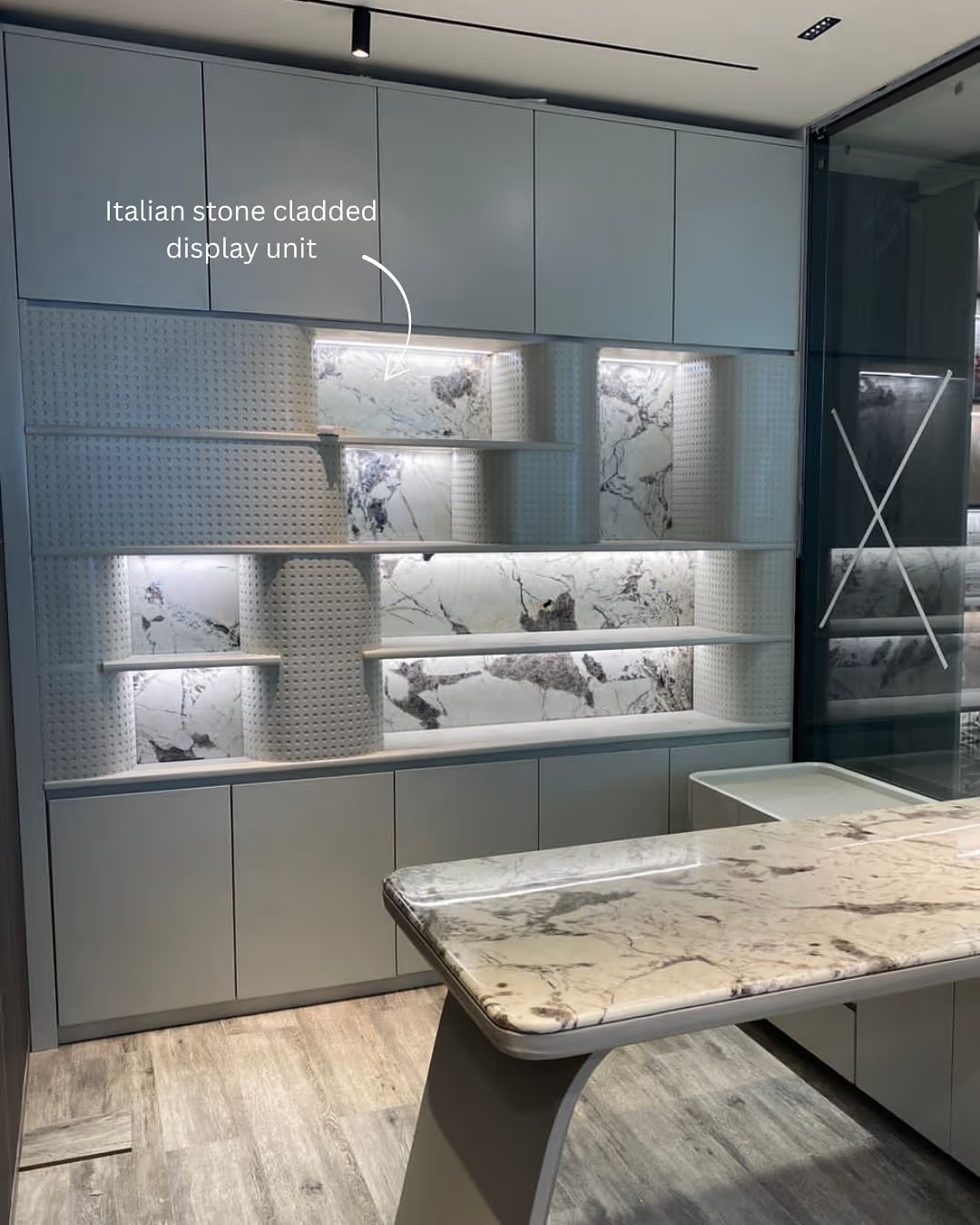
Veneer near a wet sink or a hob is real wood in a war zone. It can be sealed well and it can hold, but it is the wrong soldier for that post. Where veneer earns its place in a kitchen is the show side: tall unit fronts, a breakfast counter's face, the panels away from water — the surfaces that turn a kitchen from a workspace into a room.
Which one survives twenty years in a living room
Move to the living room and the test flips. Here nothing is scrubbed or splashed; the surface's job is to be worth looking at for twenty years. Laminate can sit in a living room for two decades without failing — but it looks the same on year one and year nineteen, and then an edge chips or lifts and the whole piece looks tired at once. A printed pattern cannot age; it can only wear out.
Veneer does something laminate cannot: it gets better. Real wood deepens in tone as it lives with light, and when the surface dulls, a polisher can bring it back. A veneered console at twenty is not a survivor; it is an elder. That is what you are paying the difference for, and simple care keeps it so — our guide on caring for burl wood and veneer shows how little it takes.
Can veneer be repaired? Can laminate?
This is the difference that decides the long game. Veneer is wood all the way to its surface, so it can be treated like wood: a light scratch worked back and refinished, a dull patch re-polished, a badly damaged panel stripped and re-veneered. The piece underneath keeps its life.
Laminate cannot be repaired, only replaced. The pattern is a print, so there is nothing to sand into — a chip shows the brown core underneath, and a lifted edge only lifts further. None of this makes laminate bad; it makes laminate a consumable surface. You use it where replacement is cheap and easy, not on the one piece you hope to hand down.
Veneer vs laminate vs acrylic, in one line each
- Veneer is real wood, sliced thin — the fine surface, repairable, and the only one that ages beautifully.
- Laminate (sunmica) is a printed sheet pressed hard — the tough surface, lowest in cost, replaced rather than repaired.
- Acrylic is a high-gloss sheet — the shiny surface, seamless in colour, but quick to show fingerprints and fine scratches.
When laminate is the right choice
A luxury maker telling you laminate is sometimes right may surprise you, but honest advice is the house rule. Choose laminate, without apology, when:
- The kitchen is wet and busy. Sink runs, steam and scrubbing call for a surface that does not care.
- It is a child's study top. Ink, compass points and water bottles will lose to laminate and win against veneer.
- The home is a rental. Spend on surfaces you will take with you, not ones you will leave behind.
- The surface is hidden or utility. Inside shelves, loft interiors, service areas — toughness matters, beauty does not.
When veneer is worth it
Veneer earns its higher cost wherever the surface is the point — the pieces you look at every day and want to still love in twenty years:
- Wardrobe fronts and headboards. Big, calm panels where one flowing, book-matched grain becomes the room's quiet centre.
- Consoles, cabinets and display pieces. The furniture guests see first deserves a surface that grew, not one that was printed.
- A whole home in one grain story. Matched veneer lets many rooms carry one continuous line no print can follow.
- Anything you plan to keep. A repairable, refinishable surface is the one that survives your taste and your decades.
Not sure which surfaces in your home should wear veneer and which should wear laminate? Send us a photo of the space and we will map it honestly, piece by piece, before anything is built.
Send us your space →How Designatore uses both in one piece
In our factory the question is never veneer or laminate for a whole home. It is decided part by part, the same way we choose every material: the surface that faces the eye gets the fine material, and the surface that faces the work gets the tough one.
- Show faces wear veneer. Wardrobe fronts, headboards and cabinet faces carry matched natural grain, pressed and sealed in the factory.
- Working surfaces wear armour. Wet-zone kitchen interiors and utility surfaces take laminate, where its toughness is the luxury.
- Interiors are finished, not forgotten. Drawer boxes and carcass interiors get clean, durable surfaces you will not be ashamed to open.
- Every panel is pressed and edged in-house. The bond and the edge are where cheap veneer work fails, so ours never leaves the factory unchecked.
The bottom line on veneer vs laminate
Veneer and laminate are not rivals for the same job; they are answers to different questions. Where the surface must endure — water, heat, ink, scrubbing — laminate, the sheet India calls sunmica, is the honest winner. Where the surface must be worth looking at for decades, natural veneer is worth every rupee of the difference: real grain, real ageing, real repair. The mistake is not choosing one. The mistake is putting either where the other belongs.
If you are planning a piece and want the right surface in the right place, the first step is simple: send us your space, and we will show you the materials — and the reasons — before anything is built.